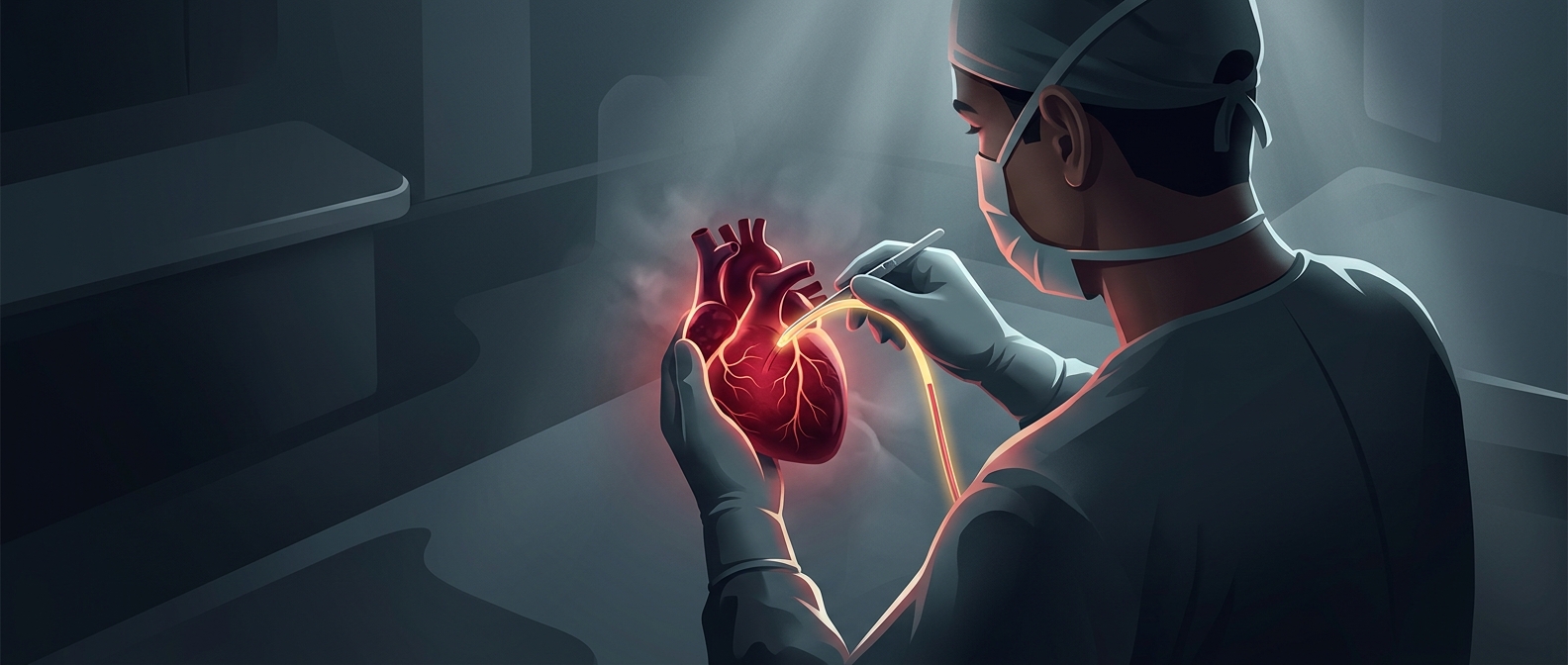
Why arterial bleeding pulses
The left ventricle does not push blood out in a perfectly constant stream. It contracts, raising pressure in the arteries, then relaxes. Artery walls stretch slightly during each beat and spring back between beats, helping keep blood moving. When a large artery is cut, that pressurized flow can escape in spurts that match the heartbeat.
The visible pulse is not the heart sending separate drops; it is a pressure wave traveling through blood that is already moving. A smaller or deeper injury may look different, and not every arterial wound produces a dramatic spray.
Why there is no reliable “spray distance”
How far blood travels depends on several things at once: the artery’s size and pressure, how wide and oriented the opening is, and whether clothing or nearby surfaces interrupt the flow. The injured person’s blood pressure and the artery’s location also matter. So a dramatic-looking spray is not a dependable way to judge the injury’s severity, and a wound that does not spray can still be dangerous.
The important consequence is the speed of blood loss. A major artery carries blood under pressure, and losing a large volume can quickly deprive the brain and other organs of oxygen.
What to do if it happens
Treat heavy bleeding as an emergency: call emergency services and press firmly on the wound with a clean cloth or dressing. For life-threatening bleeding from an arm or leg, use a commercial tourniquet if one is available and you know how to apply it. The priority is stopping blood loss, not estimating how far it can travel.