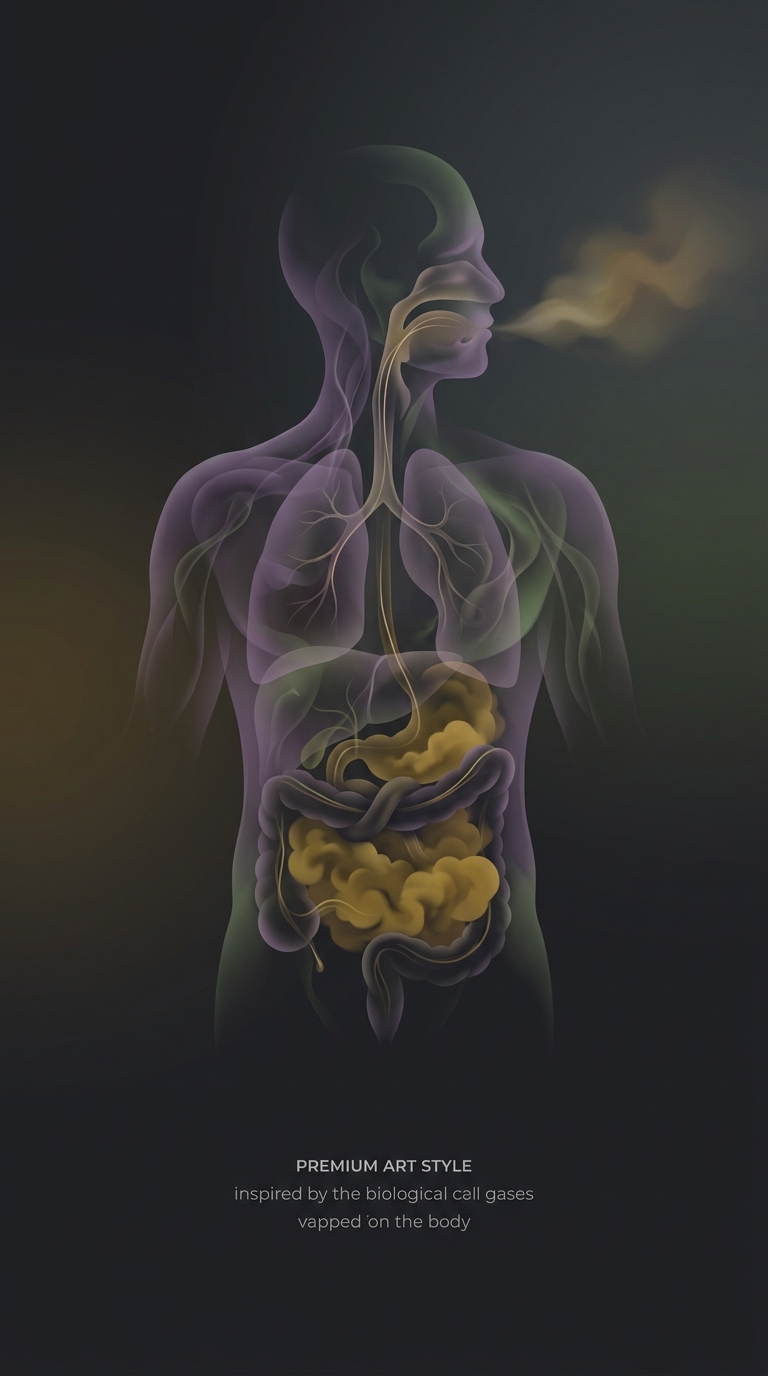
How a stretched gut can trigger a short-lived alarm
Gas trapped in the intestine can stretch its wall. Nerves in the gut register that stretch and send signals to the brain and spinal cord, where they may be interpreted as discomfort or a threat to the body’s normal state. This is part of the gut’s sensory system: it keeps the nervous system informed about pressure and movement inside the digestive tract.
The response can involve the autonomic nervous system, which adjusts automatic functions such as heart rate and blood-vessel tone. If the stretch is uncomfortable, the body may shift briefly toward a more alert state. Heart rate can rise, and blood vessels can tighten, nudging blood pressure upward. The effect is generally temporary rather than a direct, lasting change in blood pressure.
Why letting the gas pass can help
As gas moves along and leaves the intestine, the gut wall is no longer stretched as much. That reduces the sensory signal, so the body’s brief stress response can settle. The pressure, bloating, and any accompanying rise in pulse or blood pressure may ease together.
This is one reason abdominal discomfort can feel surprisingly physical beyond the belly: the gut and the systems that regulate circulation constantly communicate. It does not mean every blood-pressure spike is caused by gas, but it explains how a temporary digestive strain can ripple into the body’s automatic responses.