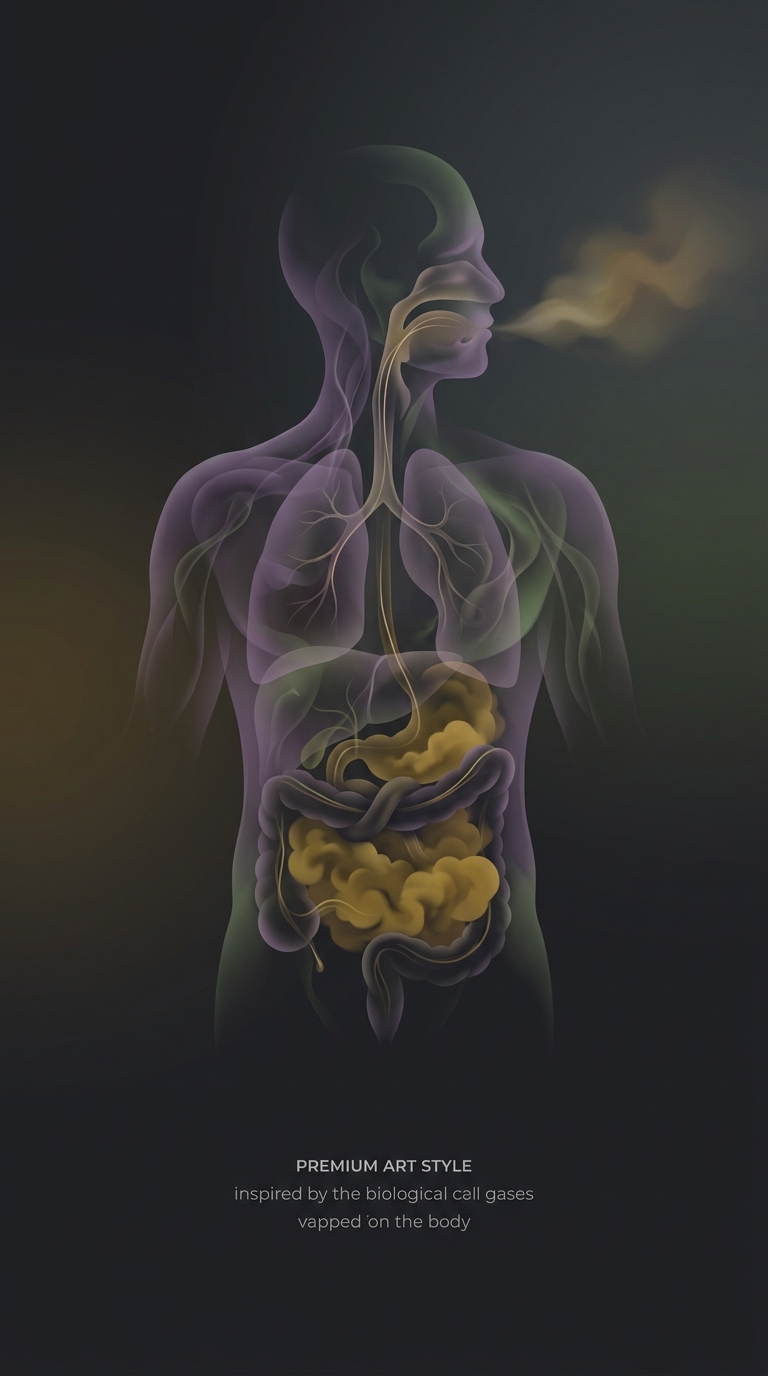
What Your Body Actually Does When You Pass Gas
Intestinal gas builds up as swallowed air and gases produced during digestion move through the bowel. When pressure is sufficient and the anal sphincter—the ring of muscle that helps keep the anus closed—relaxes, gas escapes. The release may involve a brief squeeze or change in posture, but it does not require the kind of sustained muscular work that burns a meaningful amount of energy.
Why a Loud Release Can Seem Like Effort
The sound comes from gas vibrating soft tissue as it passes through the opening. Its volume depends on factors such as how quickly the gas moves and how the sphincter is positioned, not on how many calories the body is spending. A dramatic sound can therefore accompany a largely passive release.
The body does use energy to digest food and maintain its muscles, but those ongoing costs are not a special calorie-burning effect of passing gas. The size or noise of a fart is not a measure of exertion. Any energy used in a momentary muscle contraction is too small to make the act a meaningful calorie-burning activity.
Where the Calorie Myth Goes Wrong
The claim that a single fart burns dozens of calories confuses an audible bodily event with strenuous activity. A release can feel forceful if someone is bearing down, but the effort comes from that deliberate straining—not from gas leaving the body. In ordinary circumstances, passing gas is not a shortcut to burning calories; it is simply the digestive system letting accumulated gas out.