How Fiber Becomes Gas
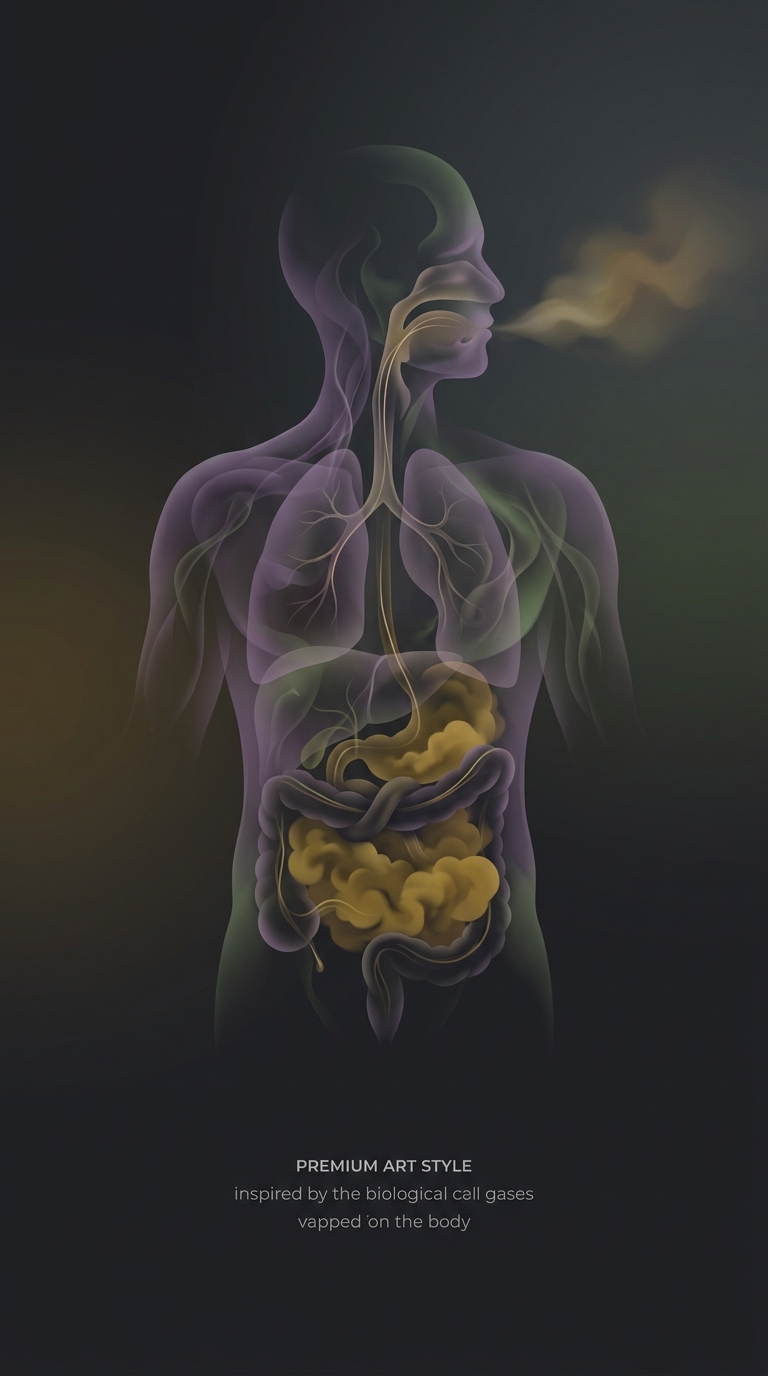
Your digestive system cannot break down every carbohydrate in plant foods. Some fiber and other undigested material pass into the large intestine, where gut microbes use them as food. As they ferment this material, they release gases, including hydrogen and carbon dioxide; some microbes also produce methane. The mix varies from person to person, and not everyone produces methane.
Why Gas Builds Up—and Moves Out
Some of these gases pass through the intestinal wall into the bloodstream and are eventually breathed out. The rest remain in the gut. As gas accumulates, it stretches the intestinal wall, creating pressure and sometimes a feeling of bloating. When that pressure reaches the rectum, the body can release the gas through the anus.
The speed and amount depend on how much gas is present, how readily it can move through the intestines, and how relaxed the surrounding muscles are. A change in diet—especially eating more fermentable plant foods—can temporarily give gut microbes more material to process. Over time, the gut may adjust, though people differ in how much gas they make and how sensitive they are to it.
Why Some Gas Smells
Most intestinal gas is odorless. The recognizable smell comes from small amounts of sulfur-containing compounds, including hydrogen sulfide, not from the bulk of the gas. So a strong odor does not necessarily mean there is a large volume: a tiny chemical component can make an otherwise ordinary release noticeable.