A meal takes a longer route than it seems
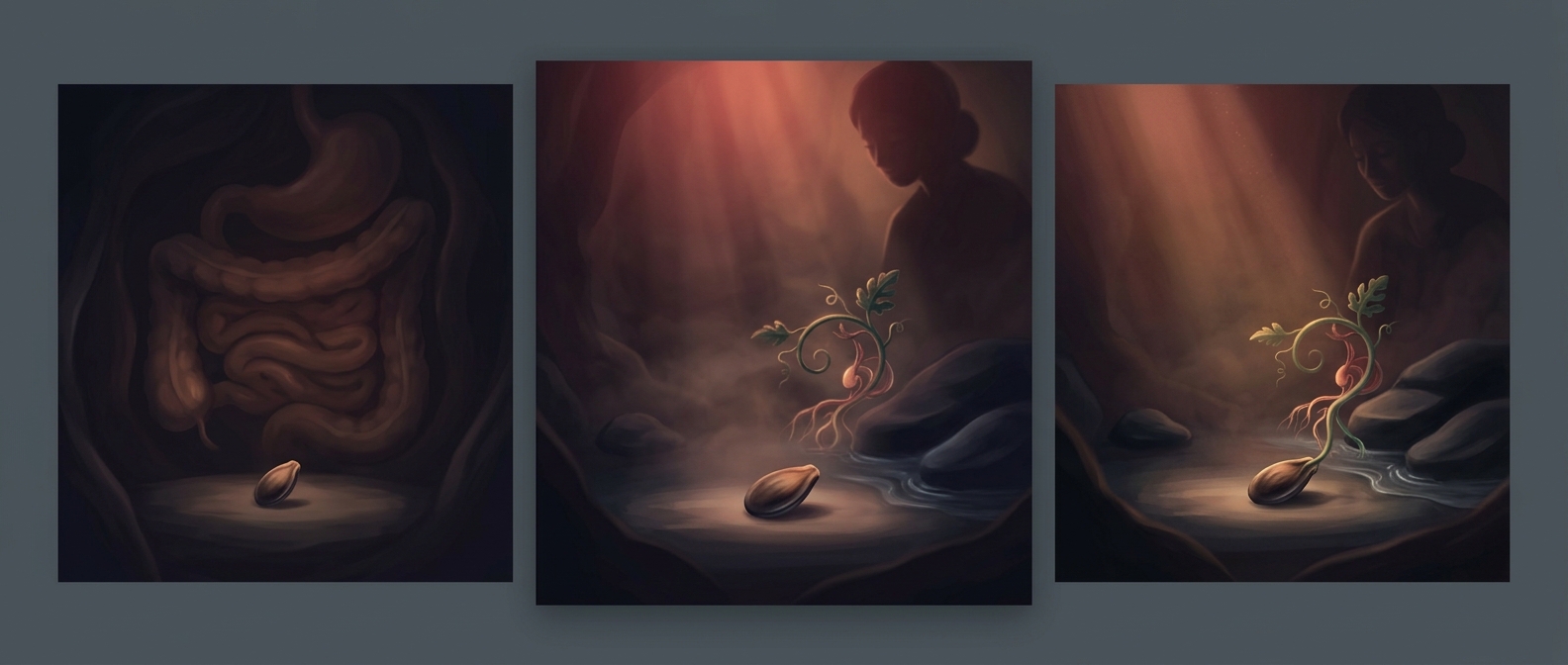
Swallowing is only the beginning of digestion. Muscles in the esophagus push food toward the stomach, where acid and enzymes loosen its structure. The stomach then releases small portions into the small intestine, where enzymes and bile help break food into nutrients that can cross the intestinal wall into the blood.
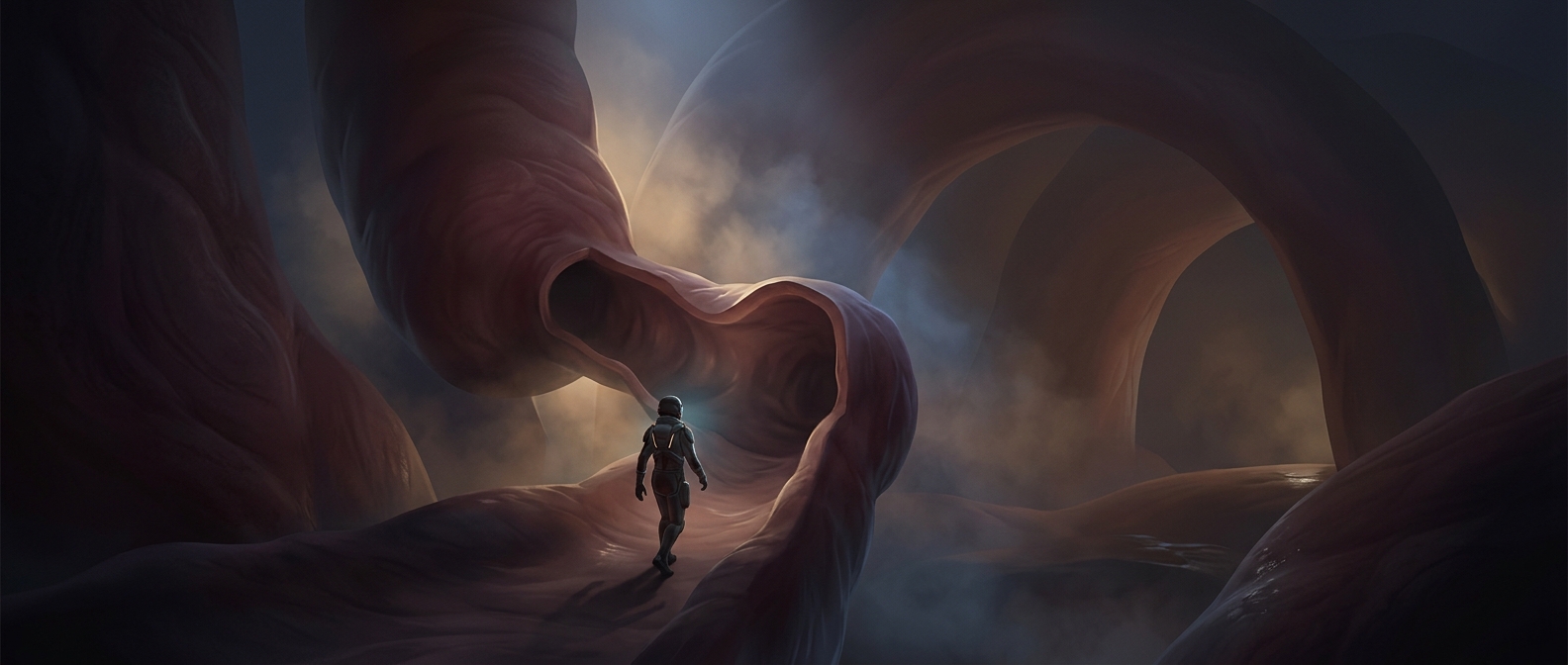
That movement depends on peristalsis: waves of smooth-muscle contractions that push contents forward while mixing them. The process is not a conveyor belt running at a fixed speed. Meal size and composition, hydration, activity, and individual differences can all affect how quickly material moves.
What happens to what the body cannot use
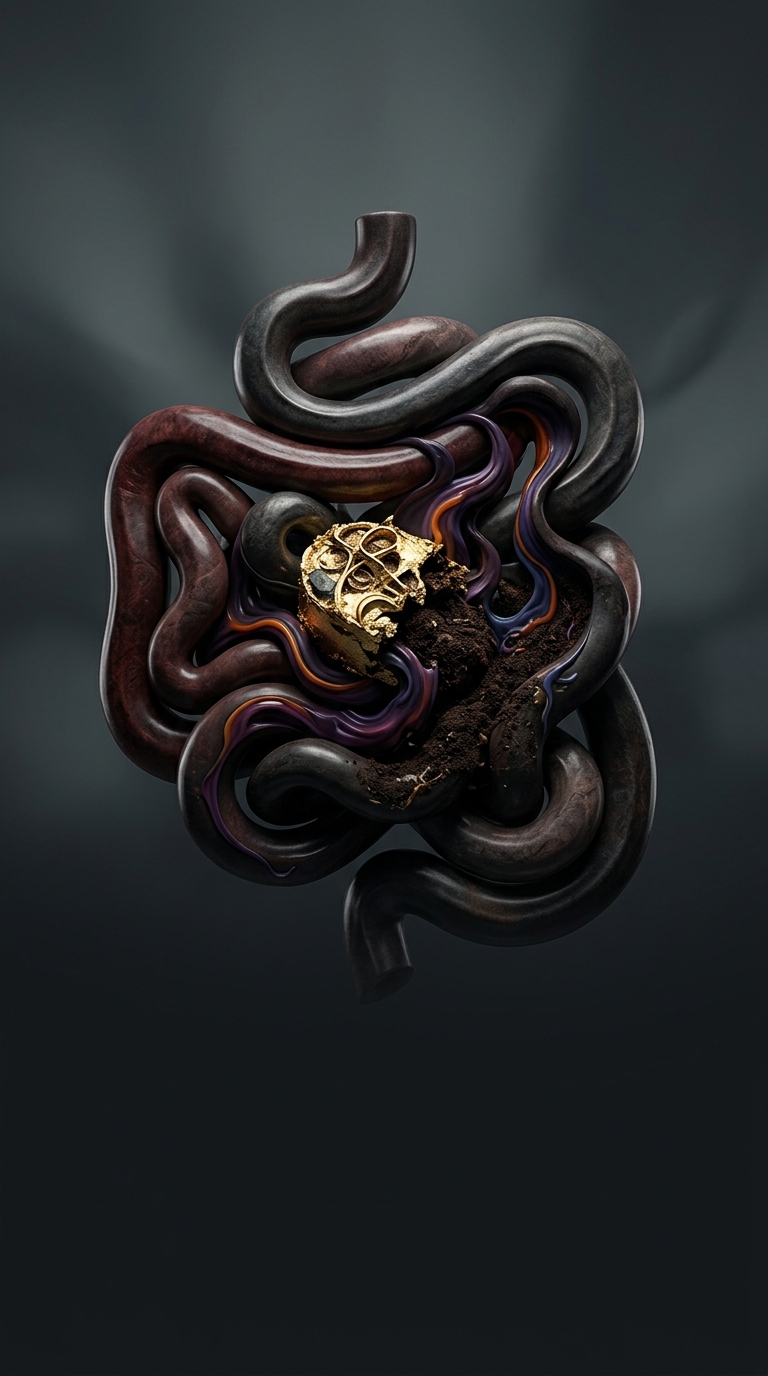
After most nutrients have been absorbed in the small intestine, the remaining material enters the large intestine. There, water is absorbed, and gut microbes ferment some of the material that escaped digestion. What remains becomes stool and is eventually expelled. Food is not simply left to rot in the gut; it is continually moved, chemically processed, absorbed, or passed along.
The often-cited 24-to-72-hour transit time is a broad range, not a timer for any particular bite. A meal’s components travel together, but they do not all follow identical paths or move at identical speeds. So a Friday dinner may still be represented in waste passed later—but the burger has been transformed along the way, its useful nutrients separated from what the body cannot absorb. The striking part is not that dinner stays recognizable for days; it is how much work the digestive system does before anything leaves.