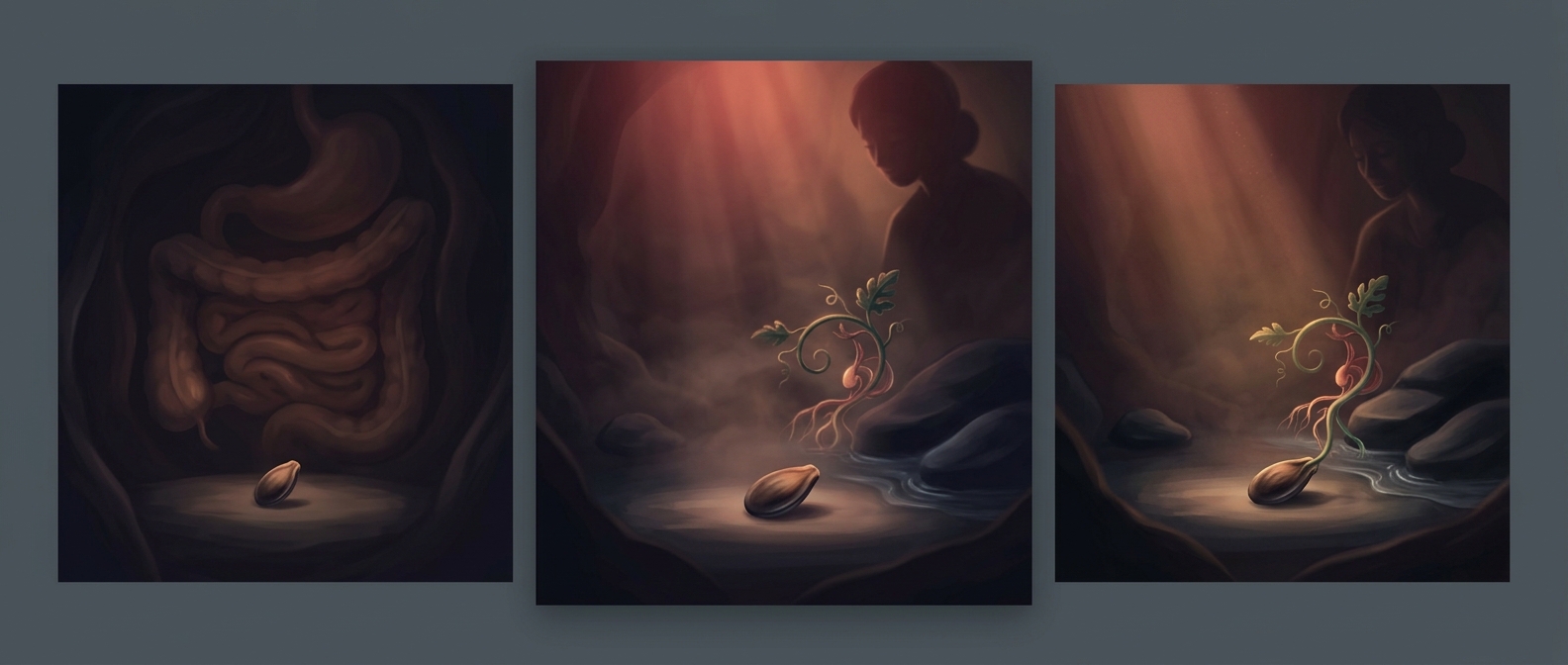
The appendix is more than a leftover pouch
The appendix is a narrow, finger-shaped pouch attached to the large intestine. Its wall contains immune tissue, which helps the body monitor microbes in the gut, especially earlier in life. It is not essential: people can live normally without it. But “not essential” is different from “does nothing.”
One proposed role is to act as a refuge for some beneficial gut bacteria. Because the appendix is a small, tucked-away space, microbes there may be less exposed to the washout caused by severe diarrhea. After an infection disrupts the gut’s microbial community, bacteria from this sheltered pocket could help replenish it. This is a plausible explanation for the appendix’s structure, not proof that it reliably protects people from cholera or dysentery.
How a refuge can become a medical emergency
The same enclosed shape that may shelter microbes can also make the appendix vulnerable. If its opening becomes blocked—sometimes by hardened stool, sometimes by swelling of immune tissue—fluid and bacteria can build up inside. Pressure rises, the tissue becomes inflamed, and blood flow may be impaired. That inflammation is appendicitis.
Appendicitis is not the appendix randomly “exploding.” It is a developing infection and inflammation that can worsen; in severe cases, the wall can perforate, allowing infected material to spill into the abdomen. Prompt medical evaluation matters because symptoms can progress, and treatment depends on the person’s situation.
The tradeoff is striking: a small pocket that may help preserve a microbial community can also become a poorly draining chamber where inflammation escalates. Its possible benefit does not make appendicitis inevitable—or make the organ indispensable—but it helps explain why evolution might retain a structure with both useful and dangerous effects.