Why a small pouch can become urgent
The appendix’s closed tip matters when its narrow opening into the large intestine becomes obstructed. A small piece of hardened stool or swelling in the surrounding tissue can block that opening. The appendix continues to make mucus, and bacteria are already present inside the gut; trapped contents can raise pressure and promote inflammation. The appendix then swells, and worsening inflammation can damage its wall.
Appendicitis does not always follow this exact sequence, but the risk is why clinicians take suspected cases seriously. If the inflamed wall ruptures, bacteria and intestinal contents can spill into the abdominal cavity and cause a serious infection. Removing the appendix before that happens is one reason surgery is a familiar treatment.
What changes after removal
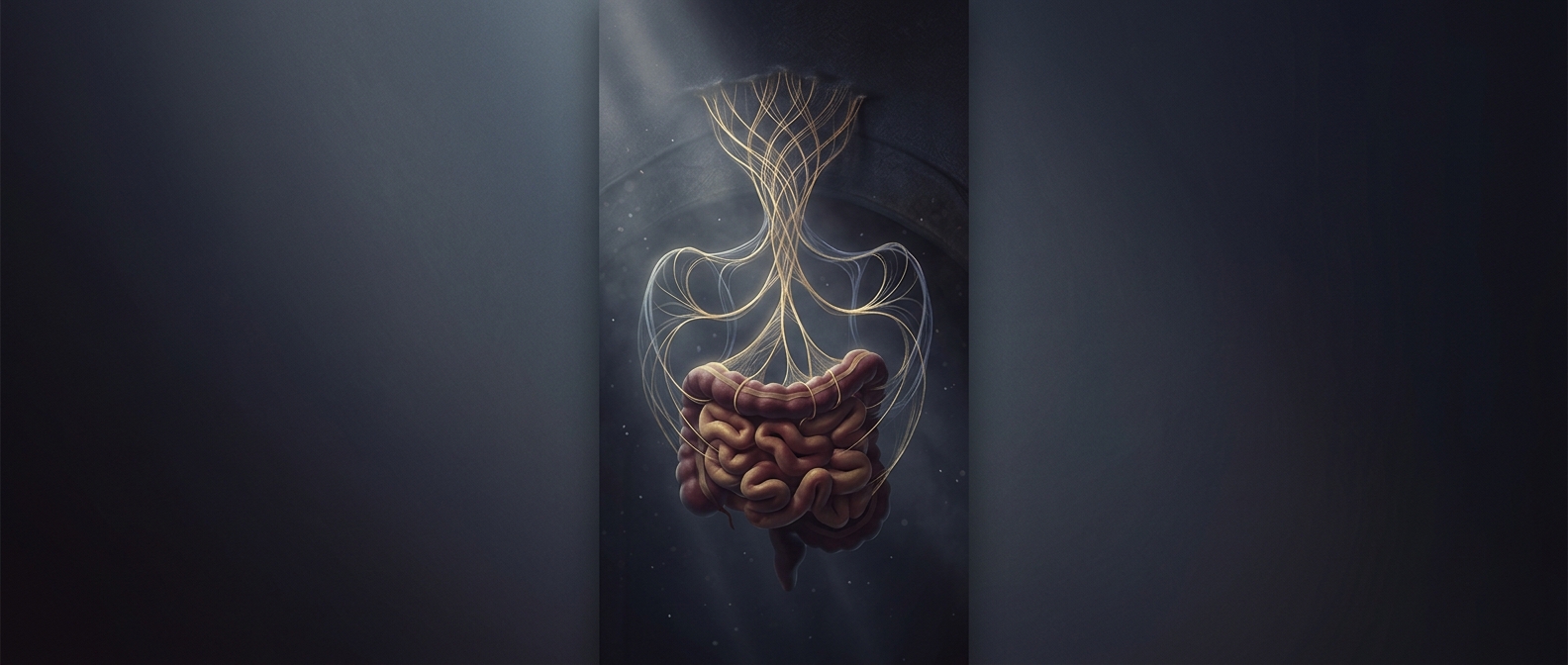
Taking out the appendix does not require rerouting the digestive tract. Food still passes from the small intestine into the large intestine, where water is absorbed and waste is prepared for elimination. The appendix is a side branch, not a segment that food must travel through, so its removal leaves the main route intact.
The practical consequence is striking: a pouch can become dangerous when inflamed, yet removing it does not interrupt the everyday passage of food through the gut.