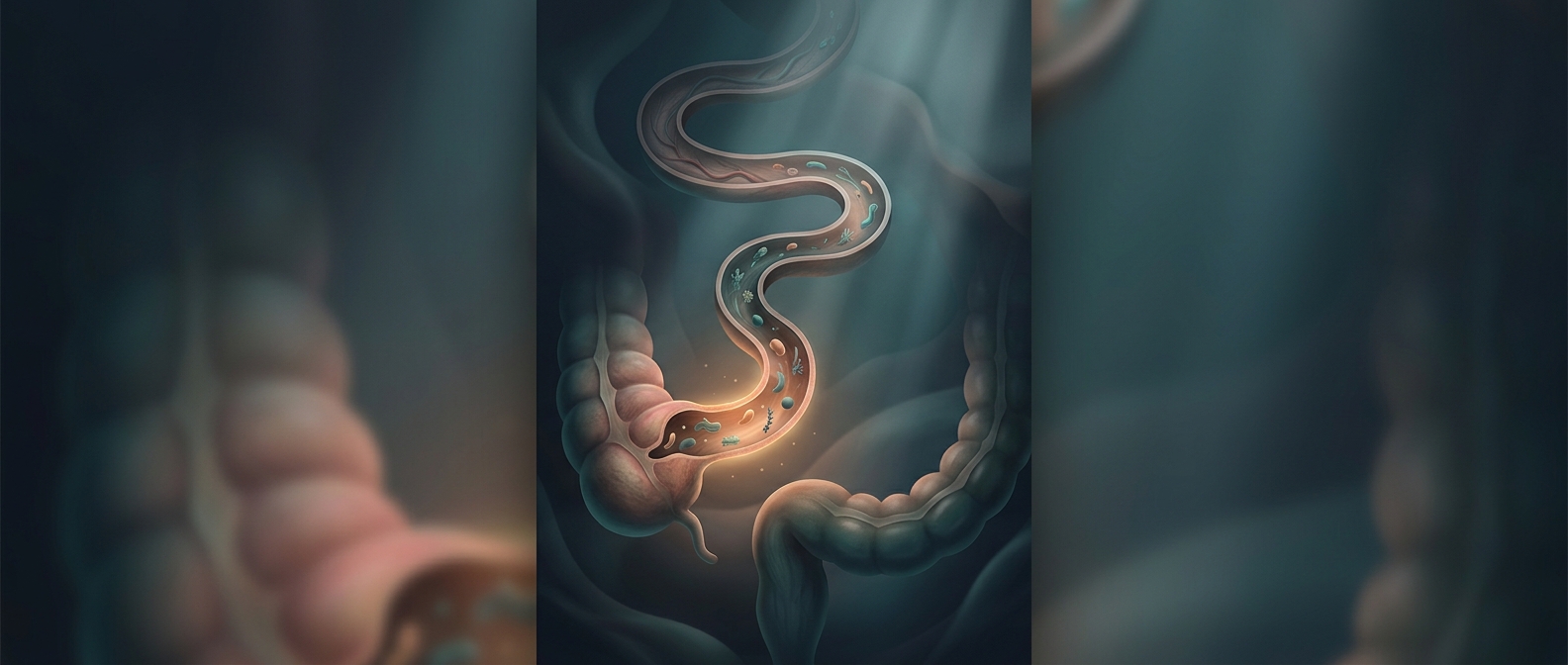
How the Mesentery Holds the Intestines in Place
The mesentery is a double layer of thin abdominal lining that folds around parts of the small intestine and connects them to the rear wall of the abdomen. Its broad, pleated shape spreads the attachment across many loops, rather than fastening each loop separately. This keeps the intestines from dropping or twisting freely while leaving room for them to shift as the body moves and digestion proceeds.
A Support Structure That Also Supplies the Gut
The mesentery is more than a sling. Blood vessels travel through it from the body’s main circulation to the intestinal wall, delivering oxygen and nutrients. It also provides routes for nerves and lymphatic vessels—the channels that help drain tissue fluid and transport immune cells. Fat within the tissue cushions these pathways and helps protect them from being compressed as the intestines move.
That arrangement solves a practical problem: the intestine needs contact with the abdominal wall for support and dependable connections to the rest of the body, but it also needs enough slack to flex. The mesentery gathers those connections into a protected sheet while keeping the loops mobile. When the gut shifts during digestion, its supply lines can move with it instead of being stretched across the abdominal cavity as loose, exposed strands.