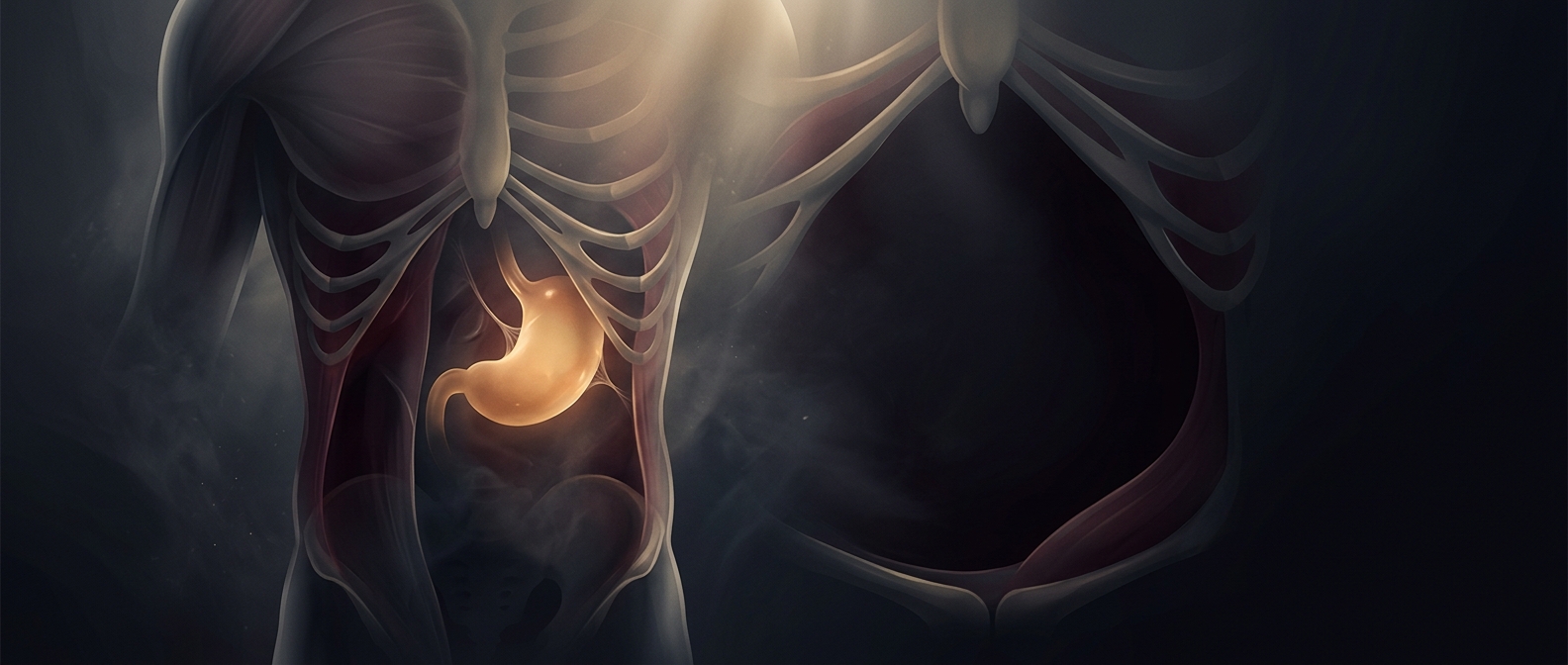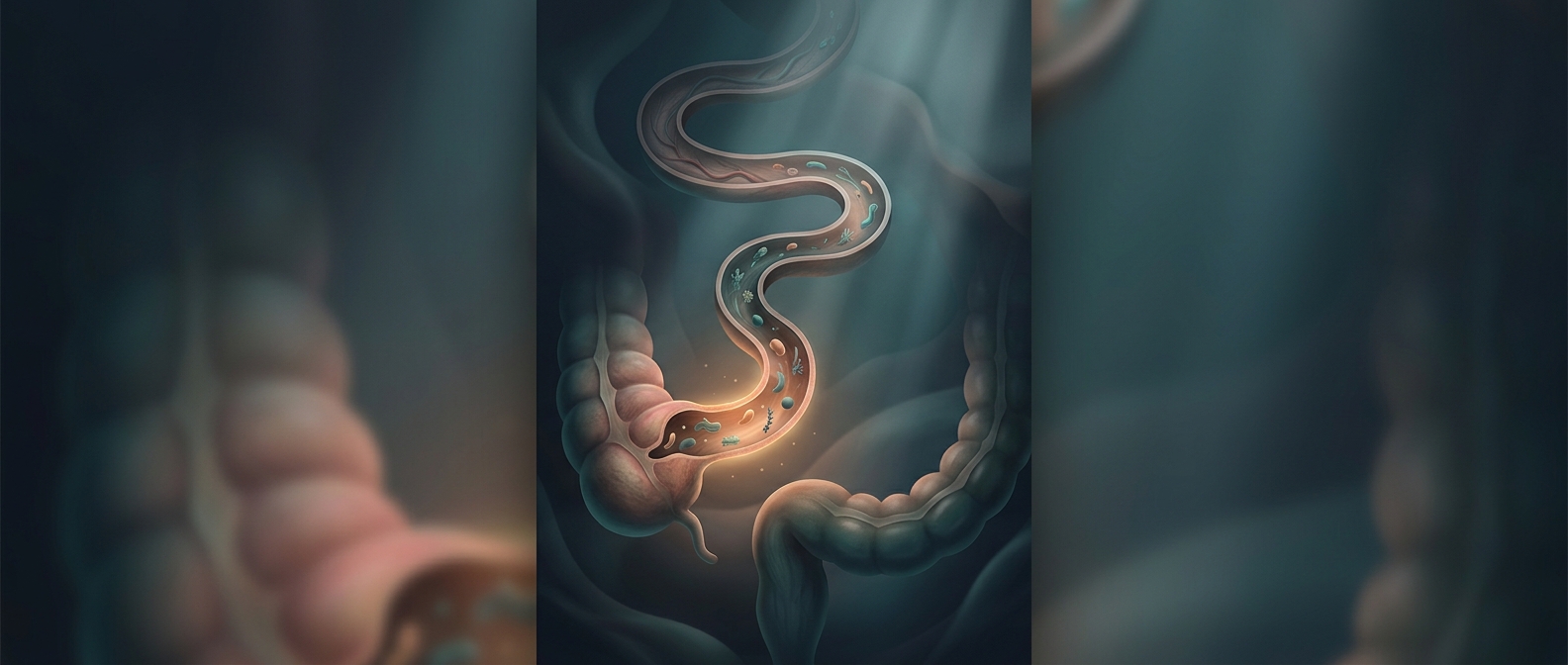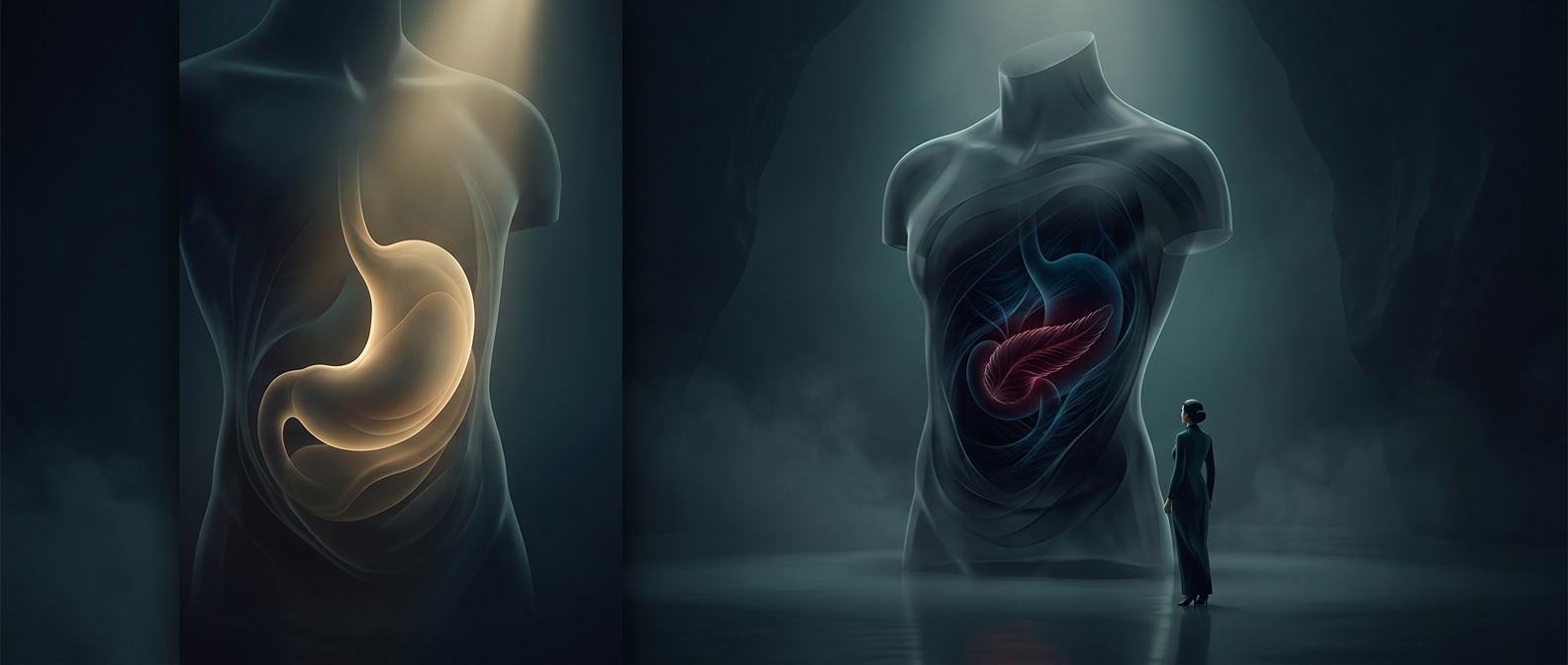
A larger surface turns a short stretch into an absorption workhorse
The jejunum is the middle portion of the small intestine, between the duodenum and the ileum. Its inner lining is folded and covered with tiny fingerlike projections called villi; cells on those projections have even smaller brushlike surfaces. This layered design greatly expands the area available for absorption without requiring an enormous, smooth tube.
As intestinal contents move along, enzymes have already broken many foods into smaller molecules. Sugars and amino acids, for example, cross the lining into tiny blood vessels in the villi and enter circulation. Many fats take a different route: they are packaged inside intestinal cells and enter lymphatic vessels before reaching the bloodstream. Absorption is therefore not simply food soaking through a wall; the lining selectively transports different nutrients by different routes.
Absorption is shared across the small intestine
The jejunum does much of this work, but it is not the only section involved. The duodenum receives food from the stomach and mixes it with digestive fluids, while the ileum farther downstream absorbs remaining nutrients and has particular roles in taking up substances such as vitamin B12 and recycled bile components.
That division helps explain why the passage of food does not mean the body has missed its chance to use it. By the time the remaining material leaves the small intestine, much of its absorbable content has crossed into blood or lymph—carried away from the gut while the residue continues onward.