Why the colon takes a winding route
The colon’s turns are not detours that material must overcome; they are part of the large intestine’s layout within the abdomen. After contents enter from the small intestine, the colon rises on the right, crosses the upper abdomen, and descends on the left before reaching the rectum. The bends where it changes direction help fit this long organ around other abdominal structures.
What happens along the way
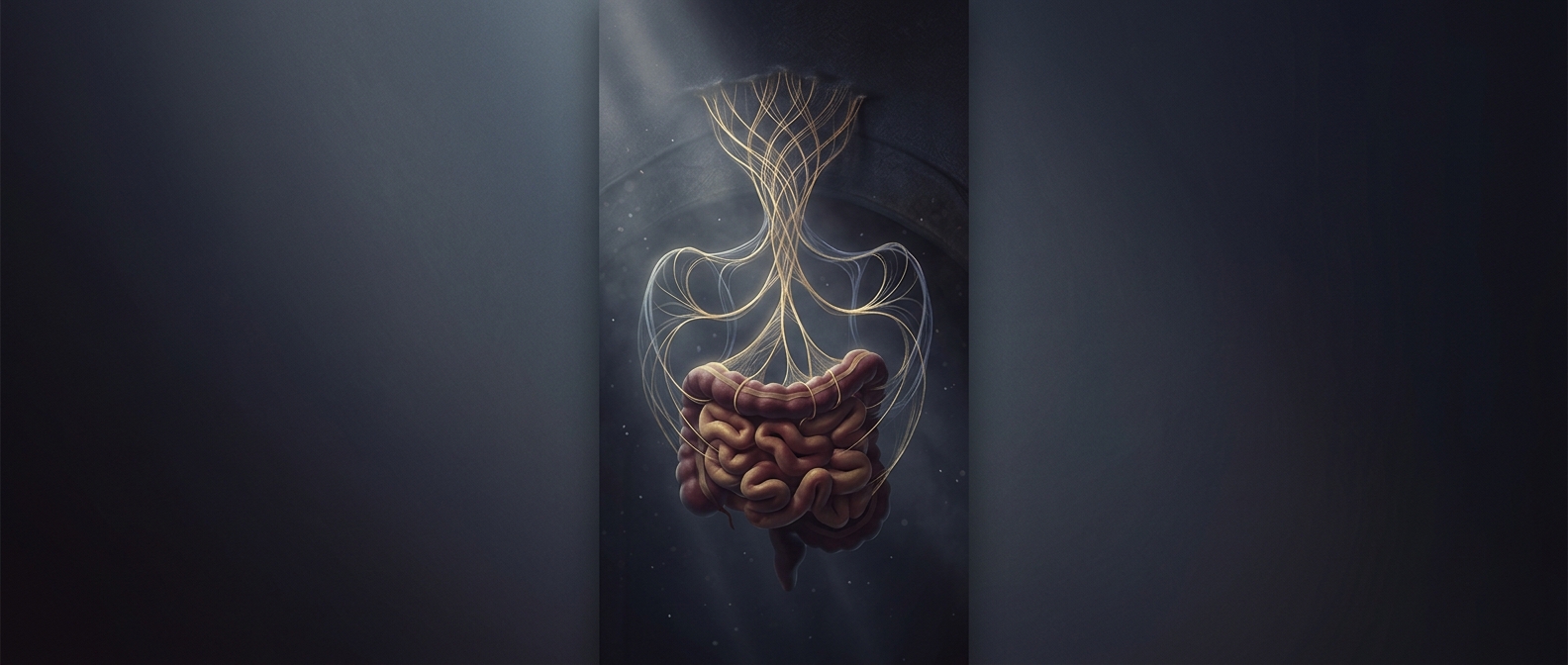
The colon’s main job is to reclaim water and salts from the leftover material. As the contents move through, the lining absorbs water, gradually making them more solid. The colon’s muscular wall contracts in coordinated waves to mix and propel them; these movements are generally slower and less continuous than the small intestine’s, giving absorption time to occur.
The route also leads to a temporary holding point. The rectum can stretch as stool arrives, and nerves signal when it is time to empty the bowel. So the colon is not simply a pipe carrying material downward: it is an absorbing, moving passage that ends in controlled storage.