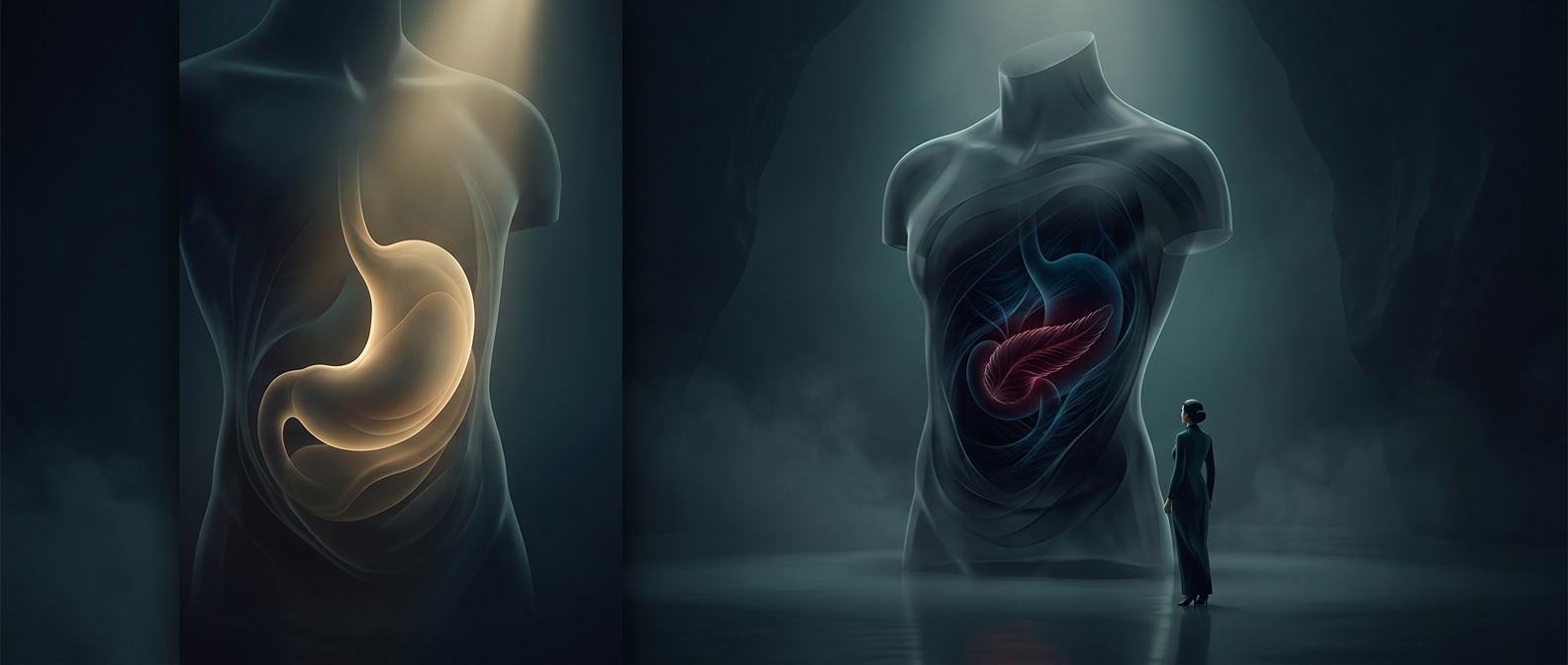
How the Pancreas Helps From Behind the Stomach
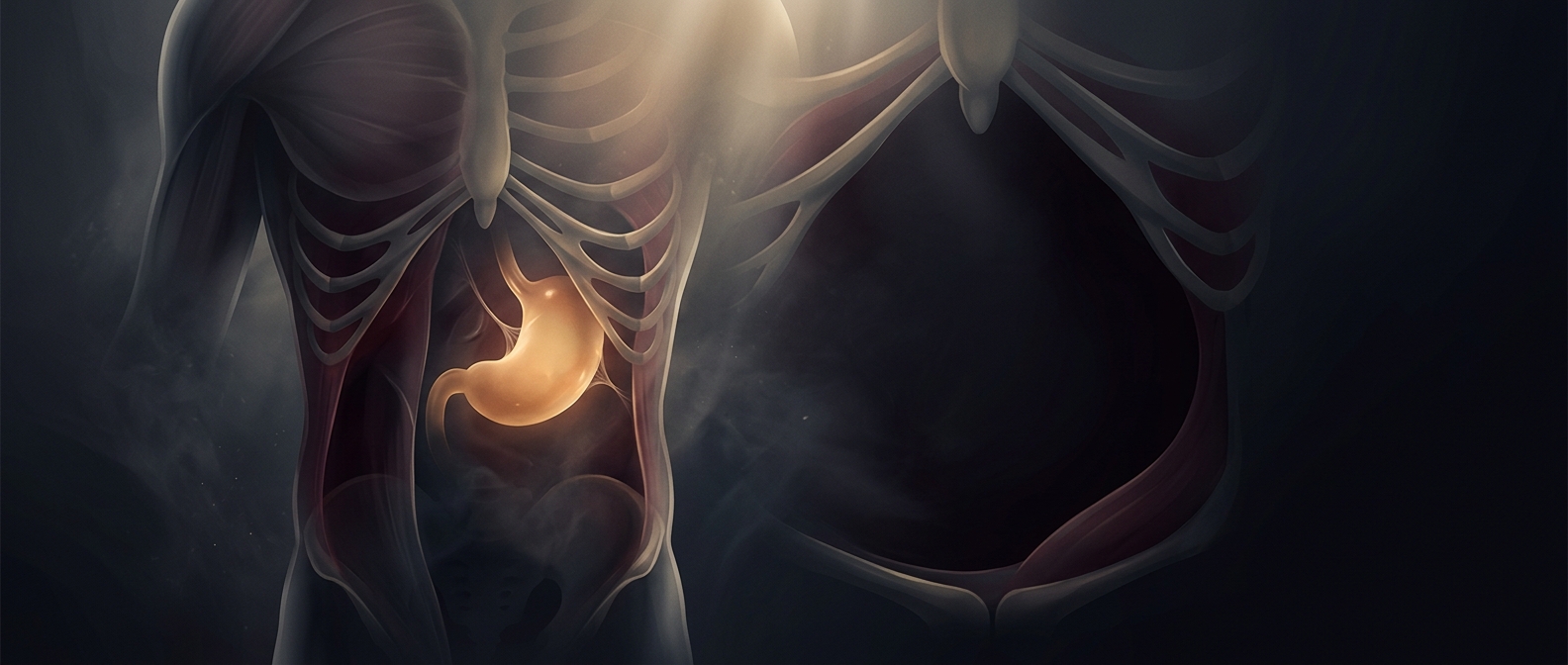
The pancreas can aid digestion without food ever passing over it. After a meal leaves the stomach, it enters the small intestine, where pancreatic juice joins the stream through a narrow channel called the pancreatic duct. The pancreas is therefore not a surface that food rubs against; it is a gland that sends its digestive tools to where they are needed.
Enzymes Arrive Where Digestion Continues
Pancreatic juice contains enzymes—proteins that speed up chemical reactions. Different enzymes help break large food molecules into smaller pieces the intestine can absorb: some act on fats, others on proteins or carbohydrates. The stomach begins digestion, but the small intestine handles much of the further breakdown and absorption. Releasing enzymes into the intestine lets the pancreas contribute without being part of the food’s route.
The gland also releases bicarbonate, a substance that helps neutralize the acidic material arriving from the stomach. That makes the intestinal environment more suitable for digestive enzymes to work. The pancreas supports digestion by changing the conditions inside the intestine, not by touching the meal.
A Hidden Gland With Two Jobs
The pancreas also makes hormones, including insulin, which enters the bloodstream and helps regulate blood sugar. Its digestive secretions travel through a duct; its hormones travel through blood. These separate routes let one organ assist both with processing a meal and with managing nutrients after they are absorbed.
That arrangement is why the pancreas can remain tucked behind the stomach yet influence what happens farther along the digestive tract: its duct delivers enzymes and bicarbonate directly into the small intestine.