How the colon turns liquid leftovers into stool
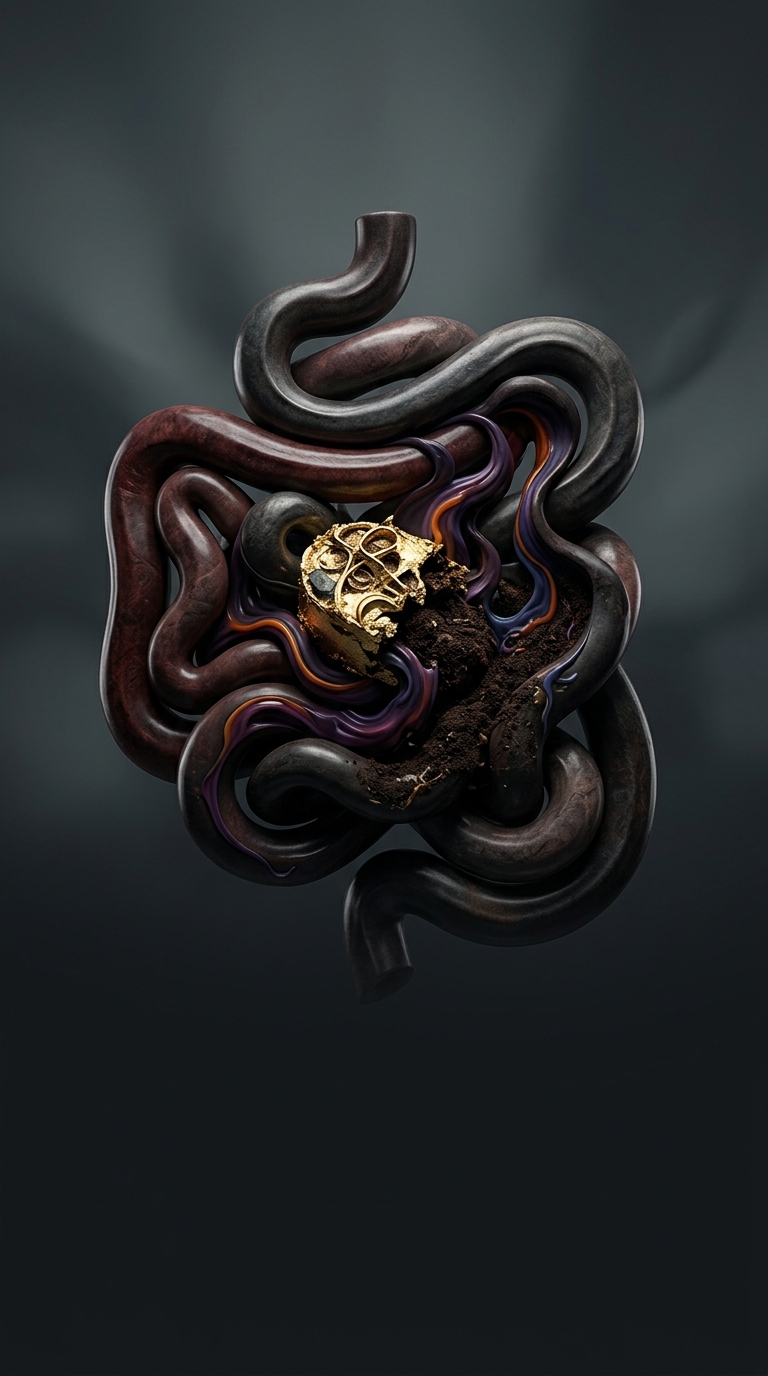
After digestion, the material moving through the large intestine is still soft and wet. The colon’s job is to reclaim water and salts from it before it leaves the body. As the material travels along, the lining absorbs water into the bloodstream, gradually making what remains thicker.
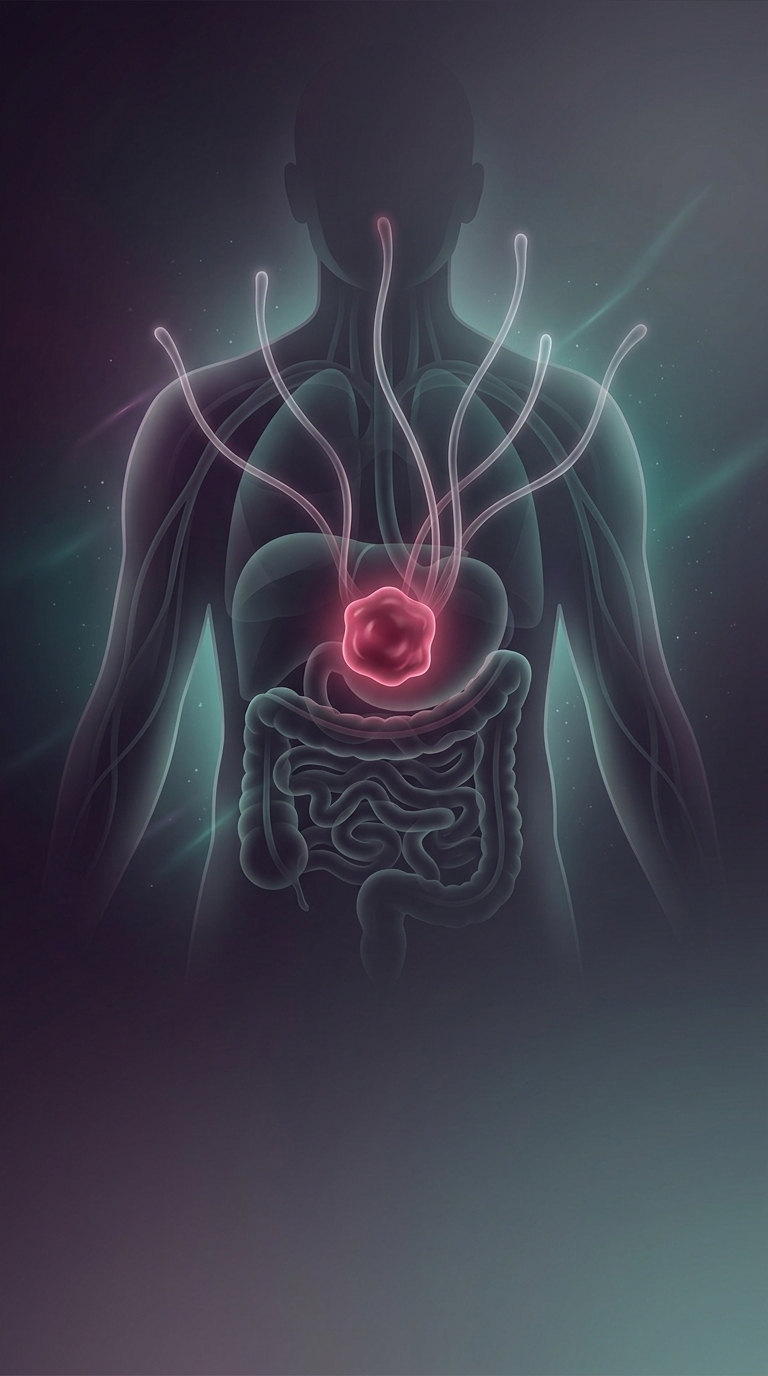
This is not a simple drying process: the colon also moves its contents forward by squeezing its muscular walls. The time those contents spend there affects how much water can be absorbed. If movement is slow, more water may be taken up and stool can become firm and difficult to pass. If movement is fast, less water is reclaimed, so stool may remain loose.
Why fiber and microbes matter
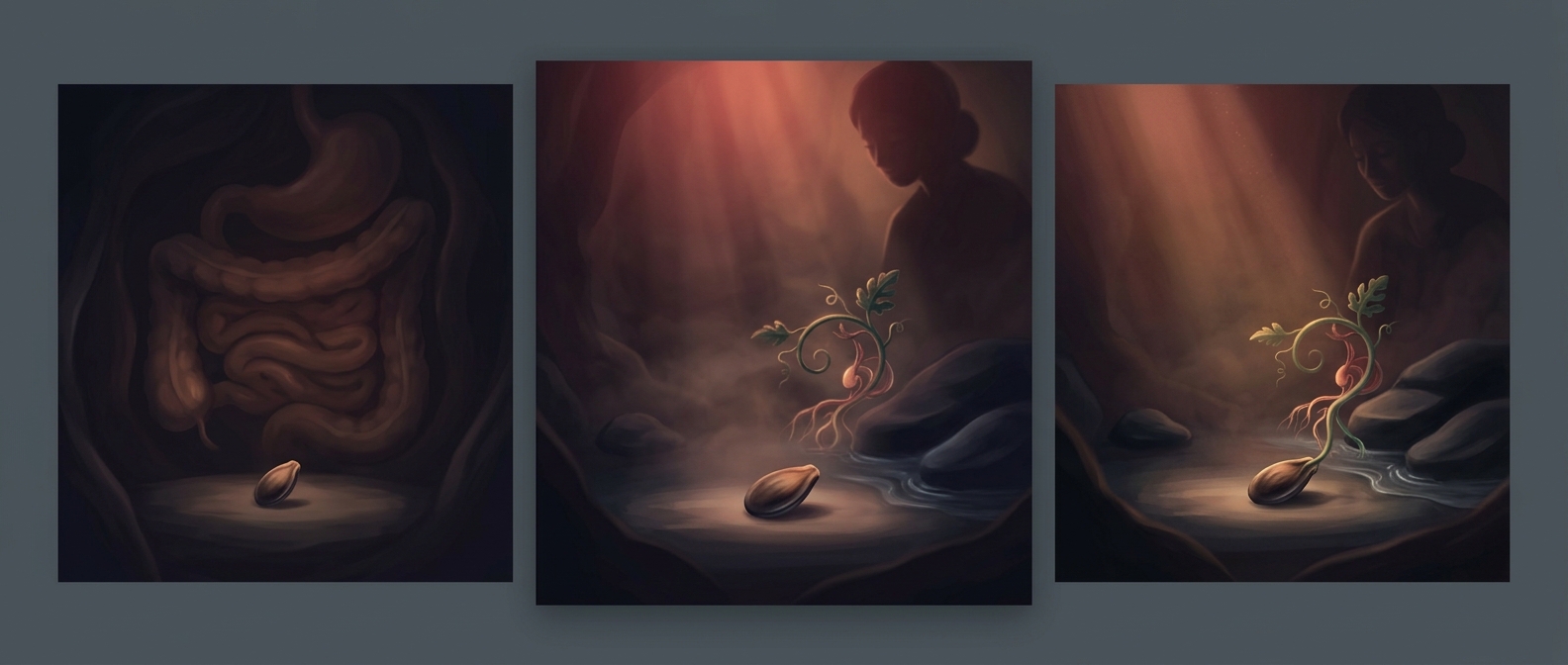
Much of the plant fiber in food resists digestion in the small intestine. In the colon, some of it is broken down by gut microbes; the rest adds bulk. Fiber can also hold water, helping stool stay soft and giving the colon material to move along. Its effects depend on the type of fiber and the person’s digestion, which is why adding fiber gradually is often more comfortable than making a sudden large change.
The balance between water, movement, and undigested material helps explain why stool texture can vary from day to day. A change in consistency is not, by itself, a precise measure of hydration: the colon’s timing and the contents of a meal matter too. The familiar shape of stool is the result of the colon adjusting water content while it transports what the body could not use.