One cell becomes many without getting larger
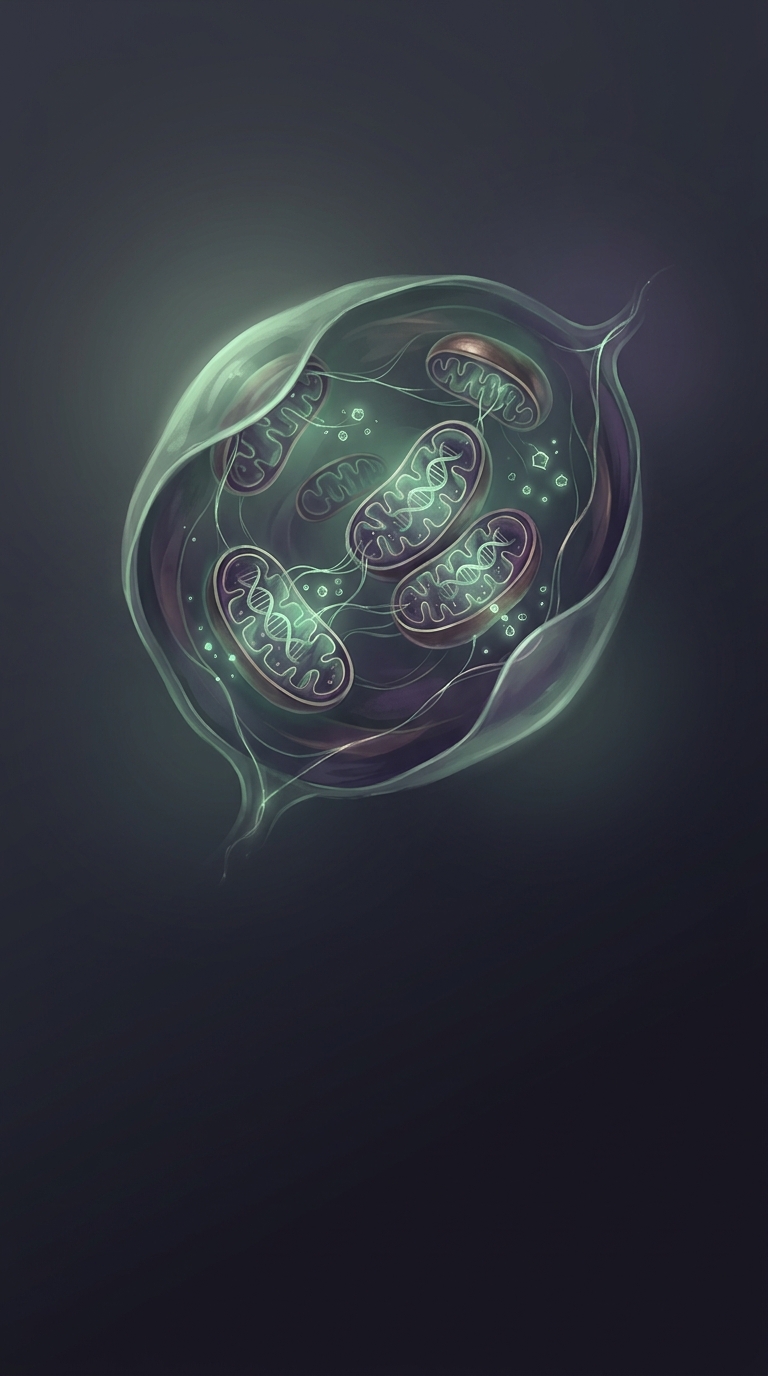
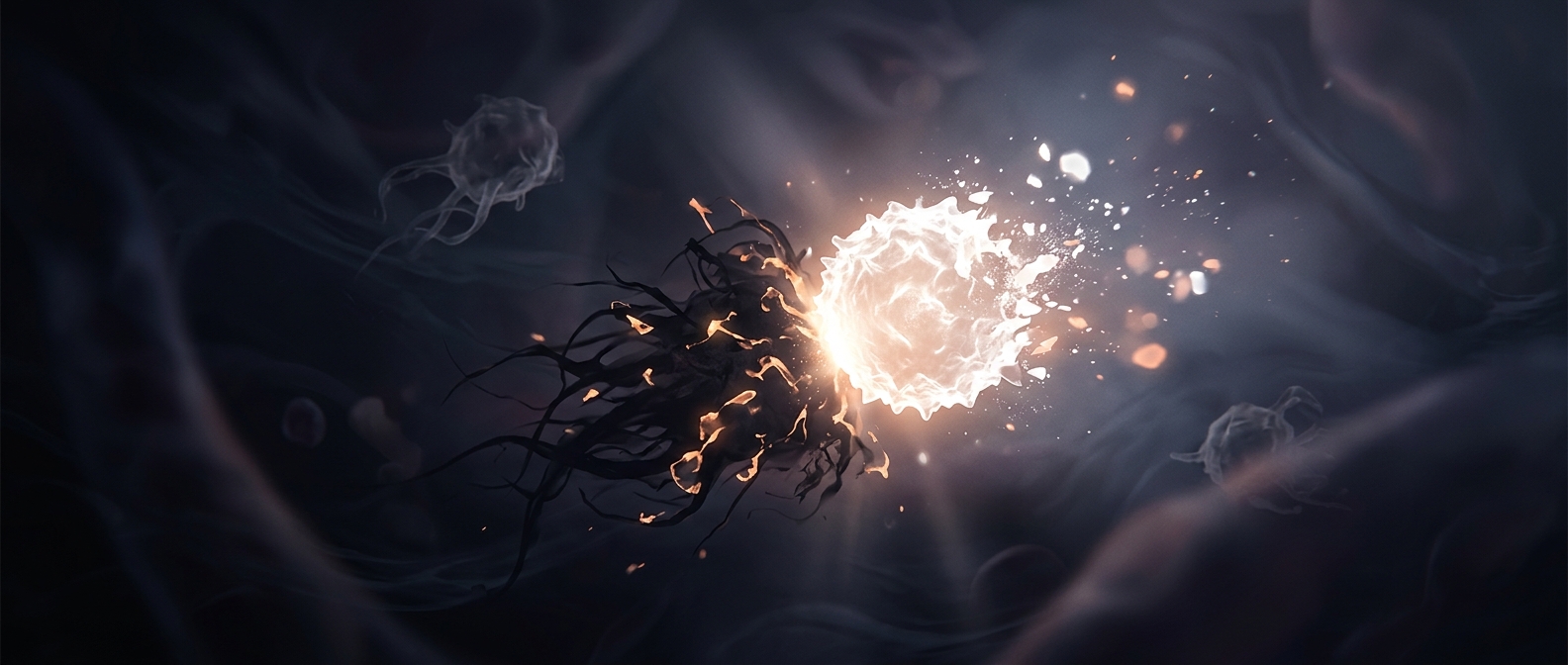
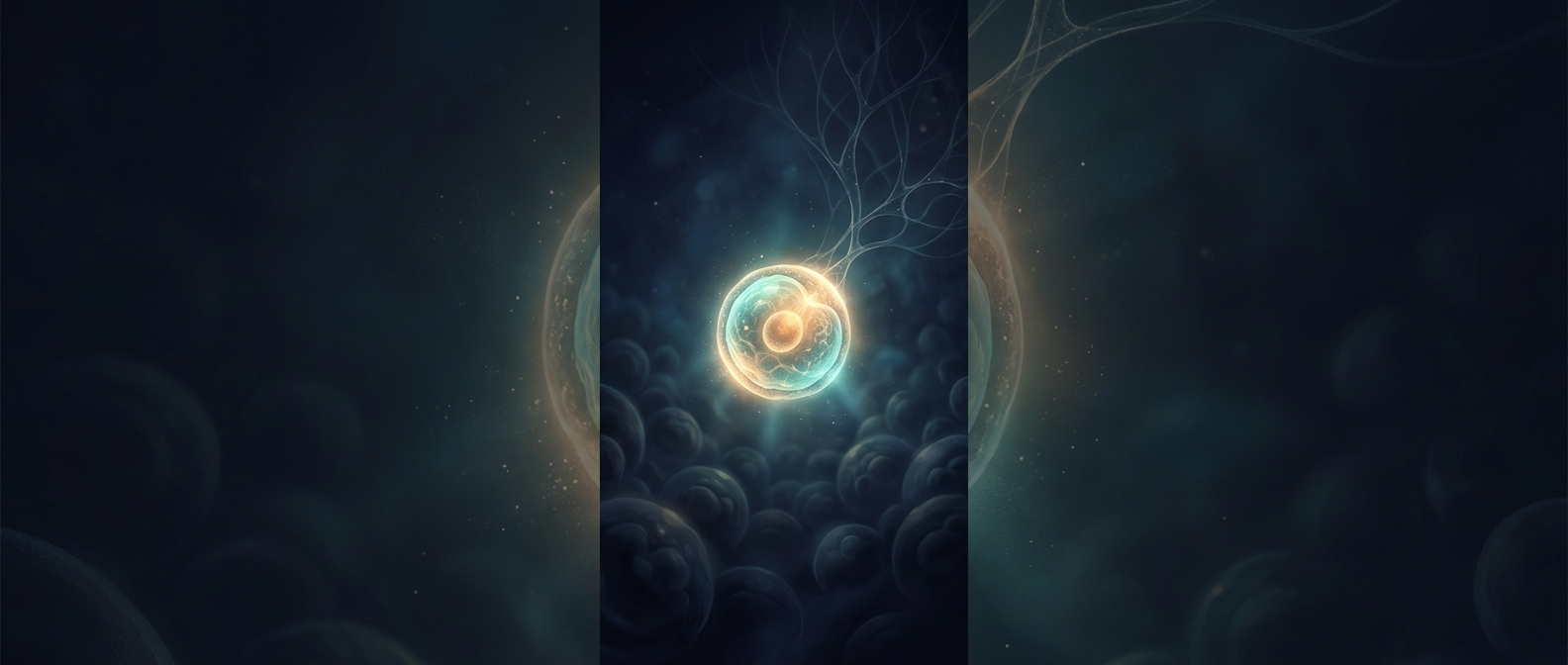
In the usual course of human development, the starting cell is a fertilized egg, or zygote. It carries genetic material from both parents. Soon, it begins dividing by mitosis: the cell copies its DNA and splits into two cells, each with a copy of the instructions.
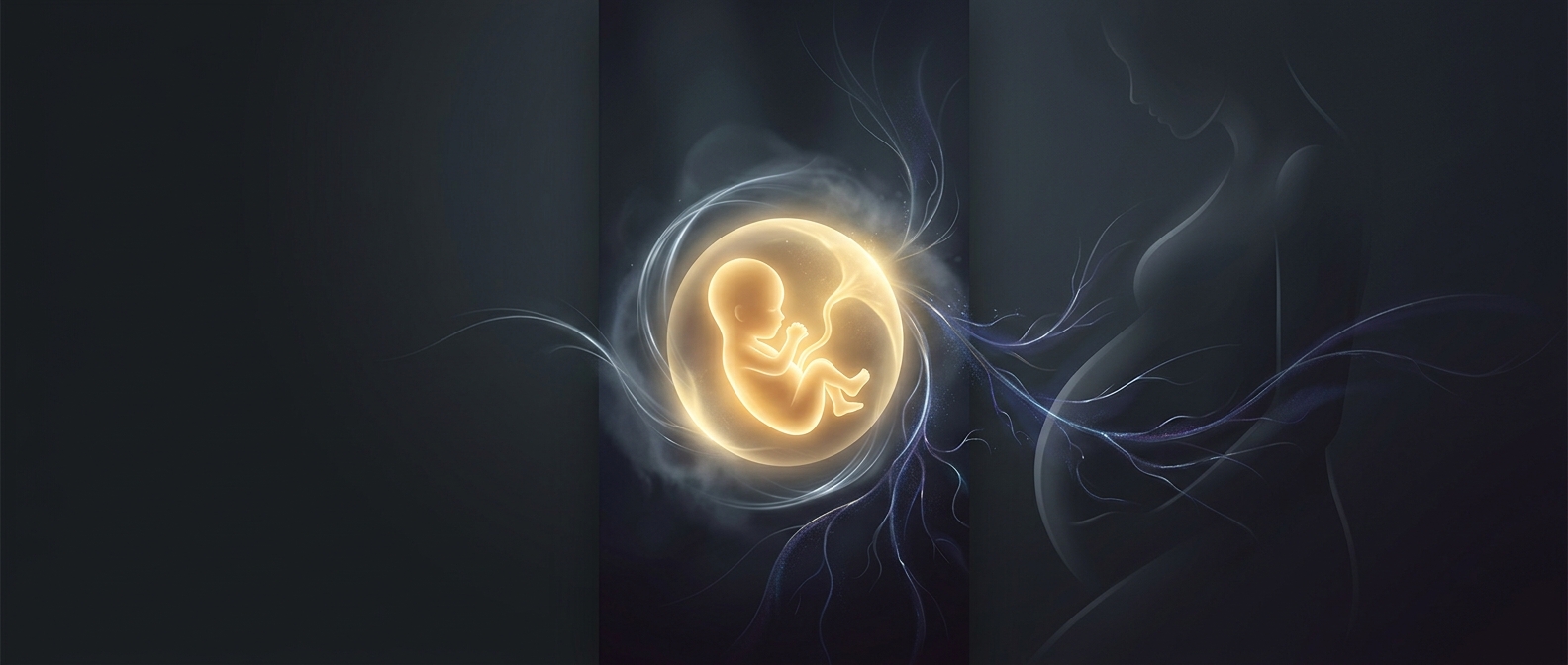
Early divisions make more cells, but the embryo as a whole does not immediately grow much. The cells are packed inside the egg’s outer covering, so each round mostly divides the existing space into smaller portions. After several rounds, the developing embryo reaches a stage called a blastocyst, a small cluster with an inner group of cells that will form the embryo itself.
Cells take on different jobs
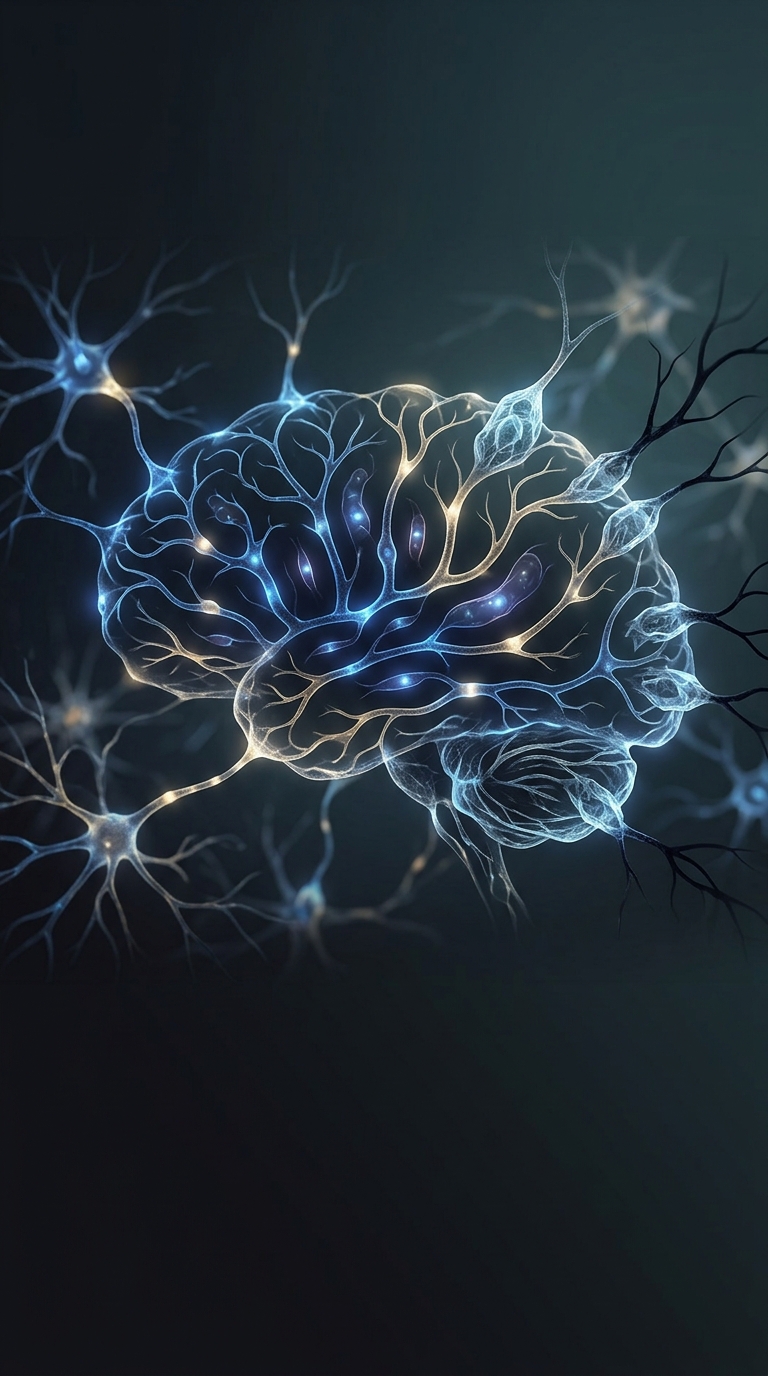
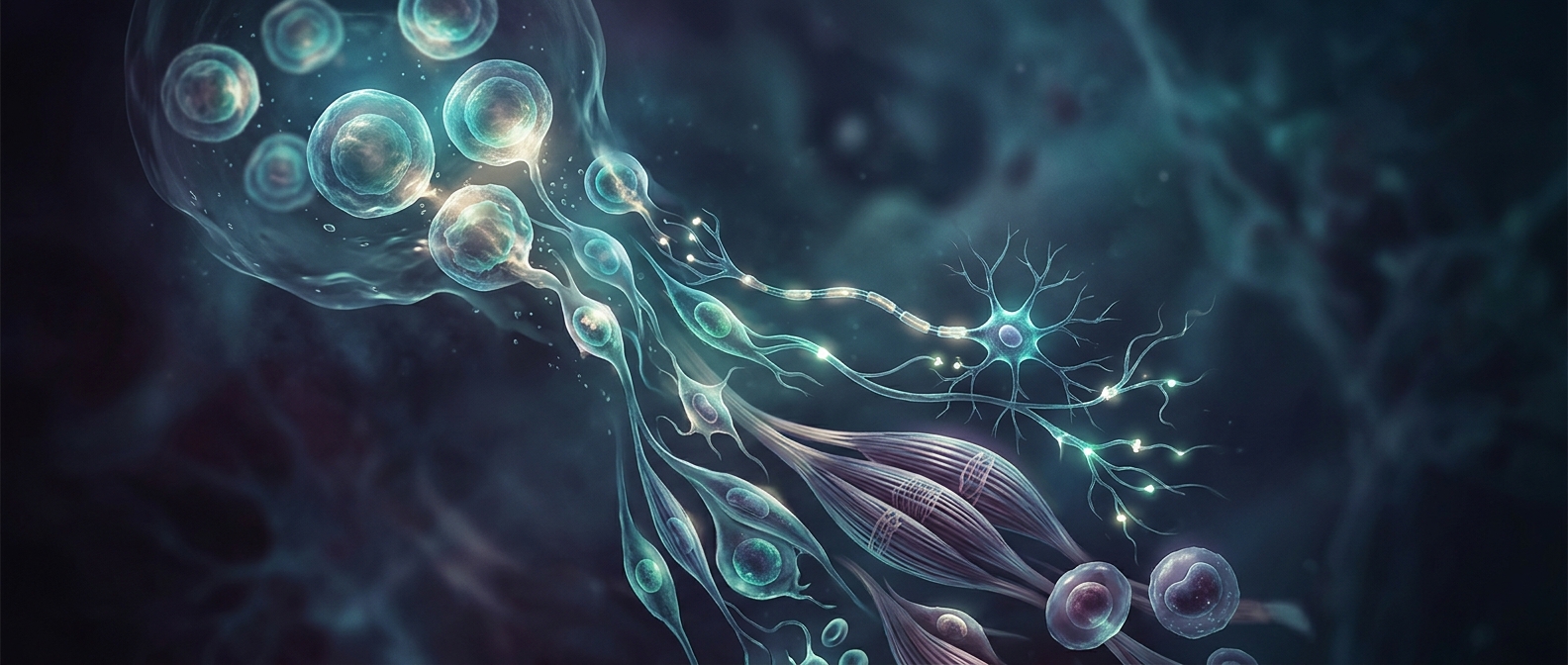
Having the same DNA does not mean every cell uses it in the same way. As development proceeds, cells switch different genes on or off in response to internal signals and their surroundings. Those differences guide cells toward specialized roles: some become muscle, others nerve, blood, skin, or the many other cell types that build the body.
Where a cell is and what signals it receives also matter. Neighboring cells can influence one another, helping organize tissues and structures rather than leaving development to chance. Cells keep dividing as the embryo grows, while specialization turns an expanding population into coordinated parts.
The striking consequence is that the body’s variety does not require a different genetic starting kit for each tissue. It emerges as descendants of the original cell copy the same basic DNA and follow different developmental instructions.