How an immune-cell rush becomes pus
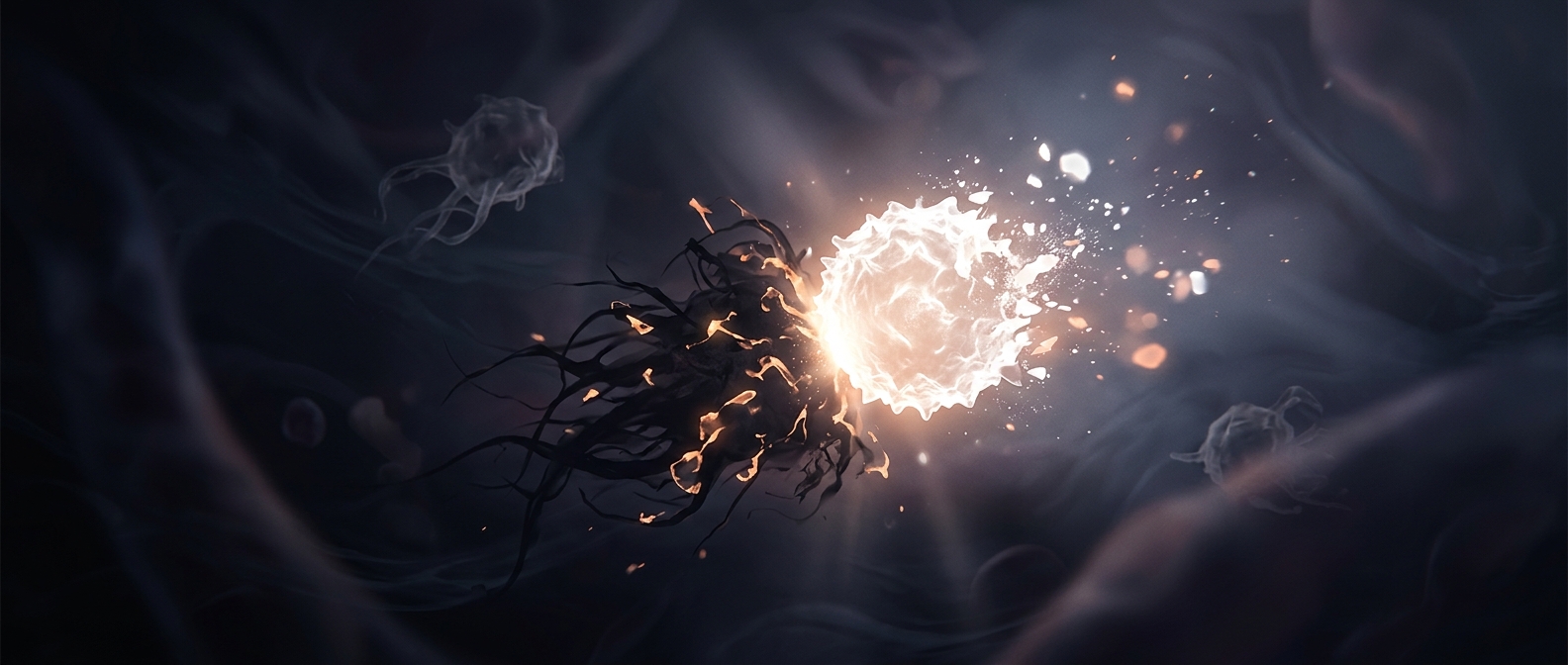
At an infected site, chemical signals summon neutrophils—fast-responding white blood cells that are among the first immune cells to arrive. They engulf microbes and release chemicals that damage them. Those weapons can also injure nearby tissue, and many neutrophils die after doing their work.
Meanwhile, inflammation makes nearby blood vessels leakier. Fluid and proteins move into the tissue, carrying more immune cells with them. The mixture of fluid, dead cells, microbes, and damaged tissue can collect as pus. Its color and thickness vary with what is in the mixture and how concentrated it is.
A collection can be walled off
If the material gathers in one pocket, the body may build a boundary of inflamed tissue around it. That pocket is called an abscess. The boundary helps contain the trouble, but it can also make the collection harder for immune cells to clear; pus may need to drain before the tissue can heal.
That is why pus has a double meaning: it contains material from microbes and damaged tissue, but it also records the body’s effort to contain them. The visible discharge is, in part, the residue of a microscopic fight.