How natural killer cells decide a cell looks wrong
Natural killer cells—often called NK cells—do not need to recognize one specific cancer-related mutation. Instead, they weigh a set of signals displayed by a cell. Healthy cells commonly show “self” markers that tell NK cells to hold back. Infection or cellular stress can alter that pattern: a stressed cell may display distress signals, or lose some of the usual self markers. When activating signals outweigh the inhibitory ones, the NK cell can attack.
This balancing system matters because many abnormal cells still resemble ordinary tissue. A single suspicious feature does not automatically trigger destruction; the immune cell responds to the overall pattern, helping limit damage to healthy neighbors.
A targeted way to trigger cell death
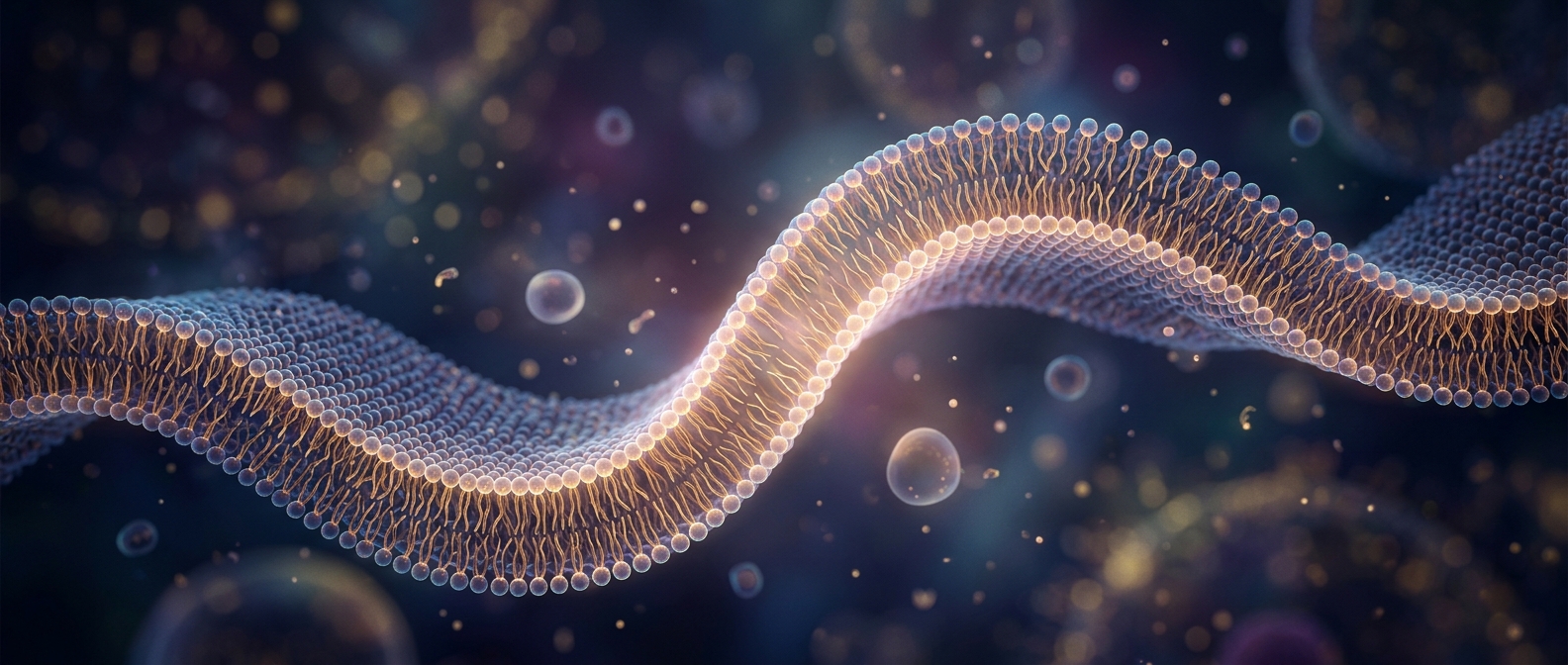
An NK cell can release perforin, which helps create openings in the target cell’s outer membrane, and granzymes, enzymes that enter and activate the cell’s internal self-destruct program. The result is usually a controlled form of cell death rather than an indiscriminate burst that harms surrounding tissue. NK cells can also use other contact-based signals to prompt a target to die.
Surveillance is a contest, not a guarantee
Some abnormal cells escape notice by keeping or restoring signals that restrain immune attack, or by reducing the distress signals that would attract it. Others may survive an encounter and acquire traits that make them harder to detect. This ongoing pressure—immune cells removing some threats while others evade them—is one reason a tumor’s relationship with the immune system can change over time.
The practical implication is that immune surveillance lowers risk without making cancer impossible. It also points to a strategy used in some cancer treatments: strengthen immune recognition or remove the signals that tell immune cells to stand down.