Why repeated division becomes risky
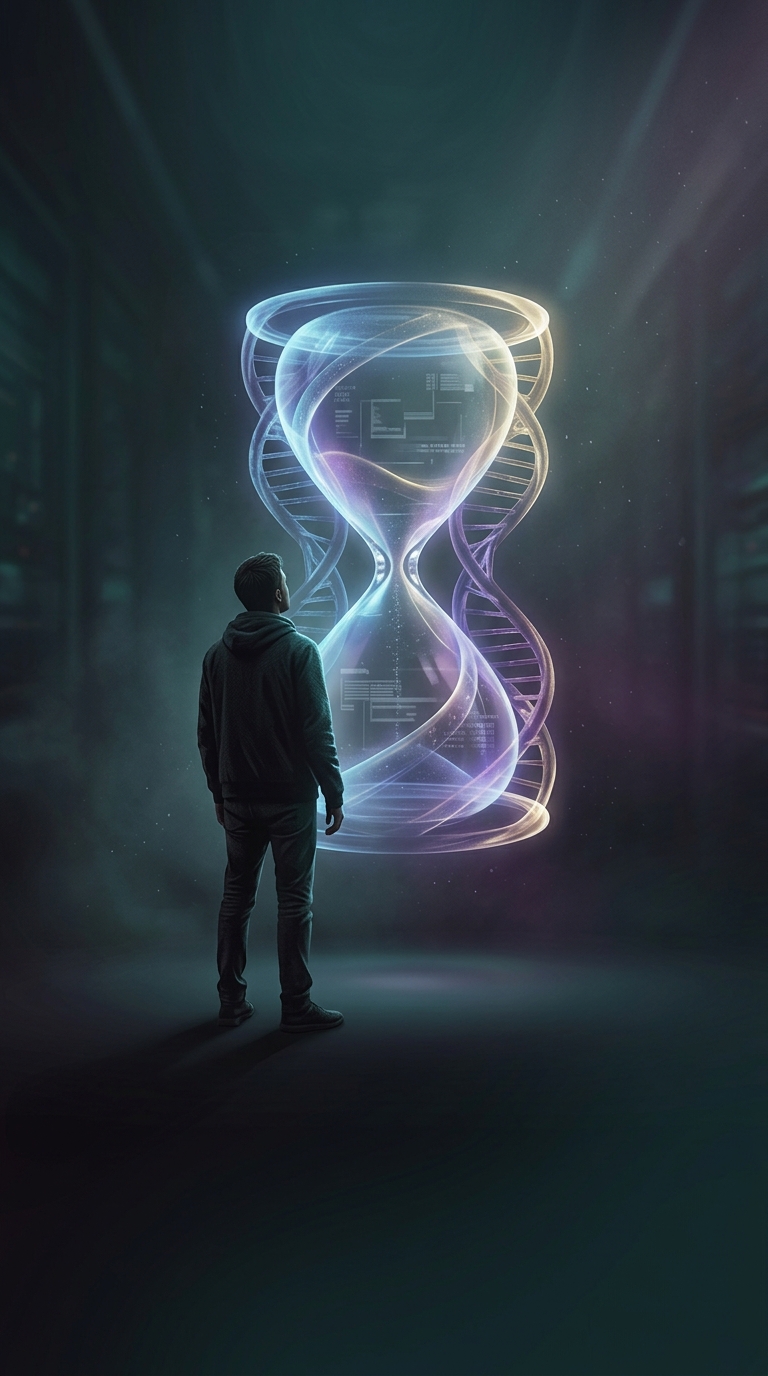
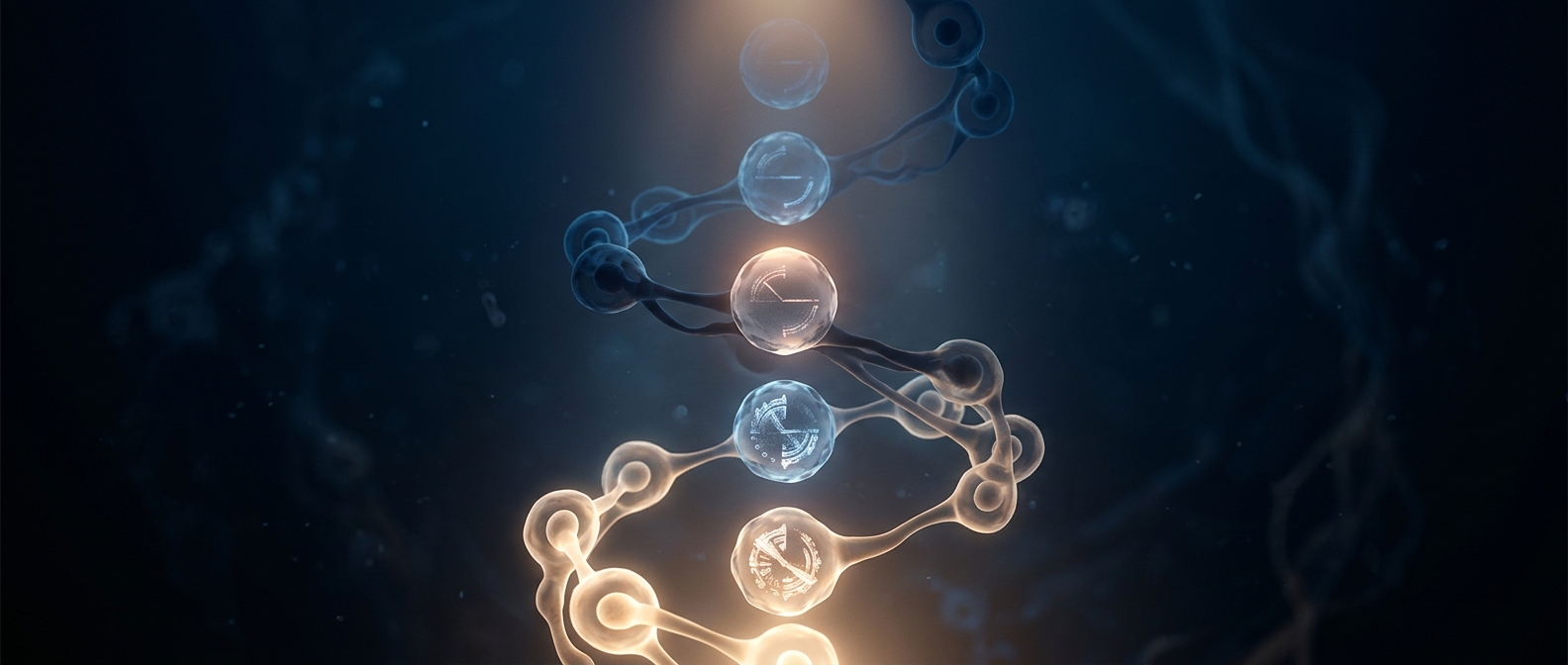
When a cell copies itself, it must also copy the DNA at the ends of its chromosomes. Those ends, called telomeres, act like protective caps. In many body cells, the copying process leaves telomeres a little shorter after each division. Once the caps become too short, the cell can interpret the exposed chromosome ends as damage.
Rather than keep dividing with potentially unstable DNA, the cell usually enters senescence: it remains alive and active but no longer makes new cells. This is a safeguard against passing serious copying errors to daughter cells, not a timer that measures the same number of divisions in every tissue.
A limit shaped by cell type and conditions
The number of divisions a cell can manage depends partly on its starting telomere length and how quickly it loses protective DNA. Stress or damage can also push a cell into senescence before its telomeres reach a critical length. That is why the often-cited figure of about 50 divisions is a rough observation, not a universal biological quota.
Some cells use telomerase, an enzyme that can rebuild telomeres. It is active in certain stem and reproductive cells, helping them maintain the capacity to divide; many cancers also reactivate it, one way they evade ordinary limits. But avoiding senescence is not automatically beneficial: unchecked division can help damaged cells form tumors.
The tradeoff inside aging tissue
Senescent cells can support short-term repair by releasing signals that affect nearby cells. If they accumulate, however, those same signals may contribute to persistent inflammation and poorer tissue function. The division limit therefore serves two purposes at once: it restrains risky cell growth, while leaving a population of cells that can become troublesome when they linger.