Why Ears and Noses Can Look Larger With Age
Cartilage—the flexible tissue that gives the outer ear and much of the nose their shape—does not keep growing steadily throughout life. But those features can look larger or lower as the face ages, because several slow changes affect the tissues around them.
The Shape Changes Around the Cartilage
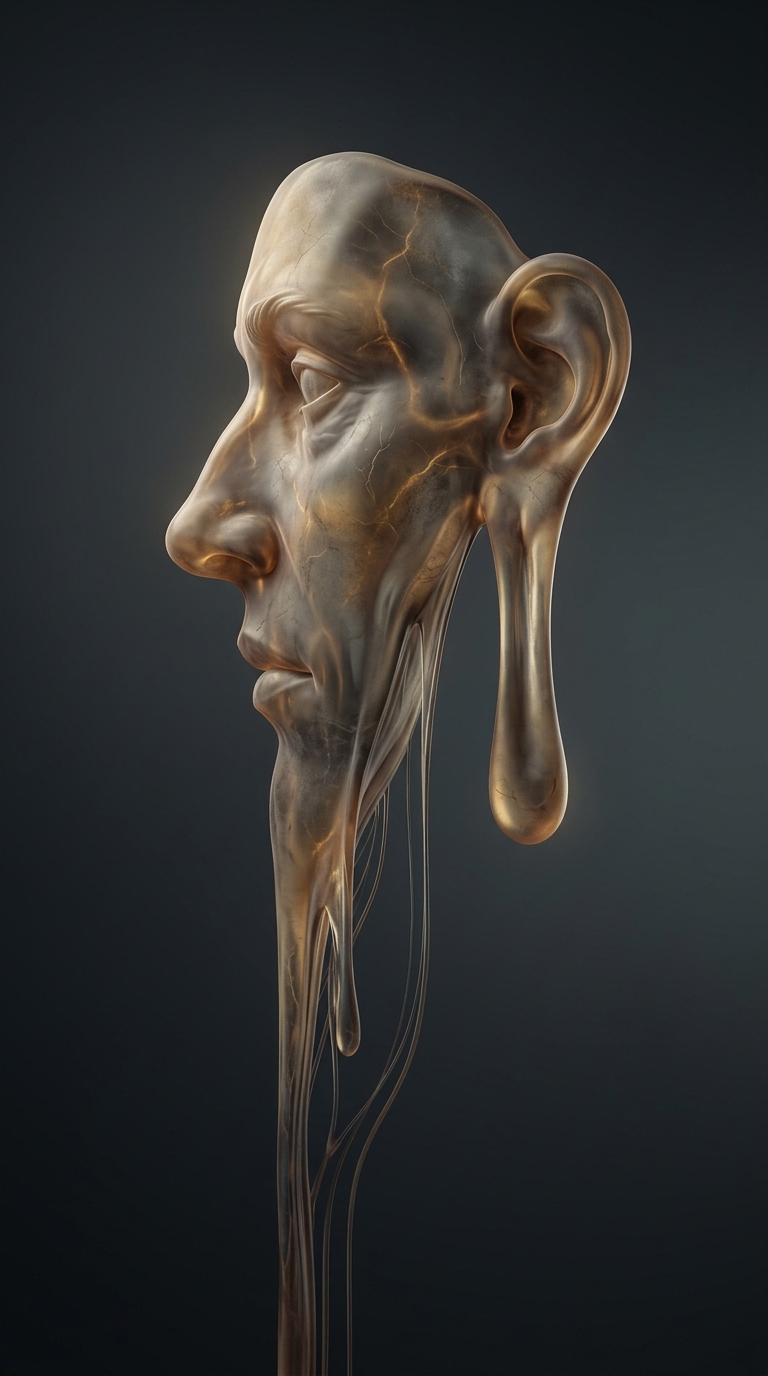
Skin gradually loses some of its firmness and elasticity, while soft tissues shift and thin. Gravity contributes to the downward pull, especially in the earlobes and the tip of the nose. The cartilage itself can also change in structure and support over time, but that is not the same as continuous growth from birth onward.
Bones follow a different timeline: most reach their adult size by early adulthood, yet they remain living tissue that is continually renewed. The contrast is not that bone stops changing while cartilage grows forever; the two tissues change in different ways.
Why the Change Is Easy to Notice
Ears and noses project from the face, so even gradual changes in their support and surrounding skin are visible. A lower earlobe or a more drooping nasal tip can make the feature seem longer, although it has not simply been growing year after year. What people often notice is a change in shape and support, not endless cartilage growth.