A fold of abdominal lining, not a single strap
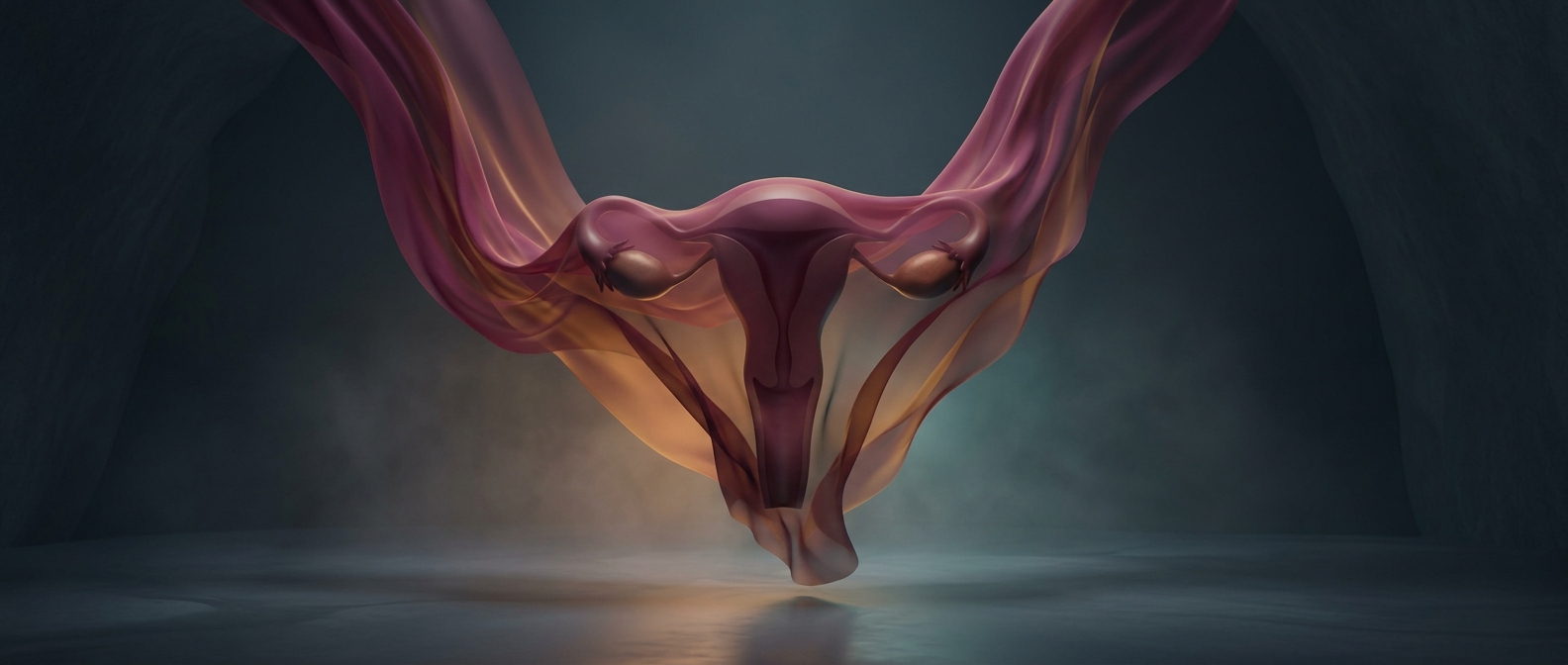
The broad ligament is made from peritoneum, the thin, slippery membrane that lines the abdominal cavity and covers many of its organs. Where this membrane reflects from the sides of the uterus toward the pelvic walls, it forms two layers of tissue—more like a doubled sheet than a cord. That arrangement lets the uterus and nearby structures move while keeping them connected within the pelvis.
The fold also helps organize the area. The fallopian tubes run along its upper edge, and a short part of the fold attaches to the ovary. Blood vessels, lymphatic vessels, and nerves pass between its layers, creating routes to and from the reproductive organs.
Support has several parts
Despite its name, the broad ligament is not a taut band that holds the uterus in place by itself. Its broad attachment offers some support, but stronger support comes from structures such as the pelvic floor muscles and other connective-tissue ligaments around the cervix and uterus. Together, these tissues help keep the organs positioned while allowing normal movement and changes in the pelvis.
That distinction matters in anatomy and surgery: the broad ligament is both a supporting fold and a passageway for vessels and other structures. Its role is less like a strap bearing the whole load than a flexible layer that helps organize and connect the organs beneath it.