Two layers make a sliding surface
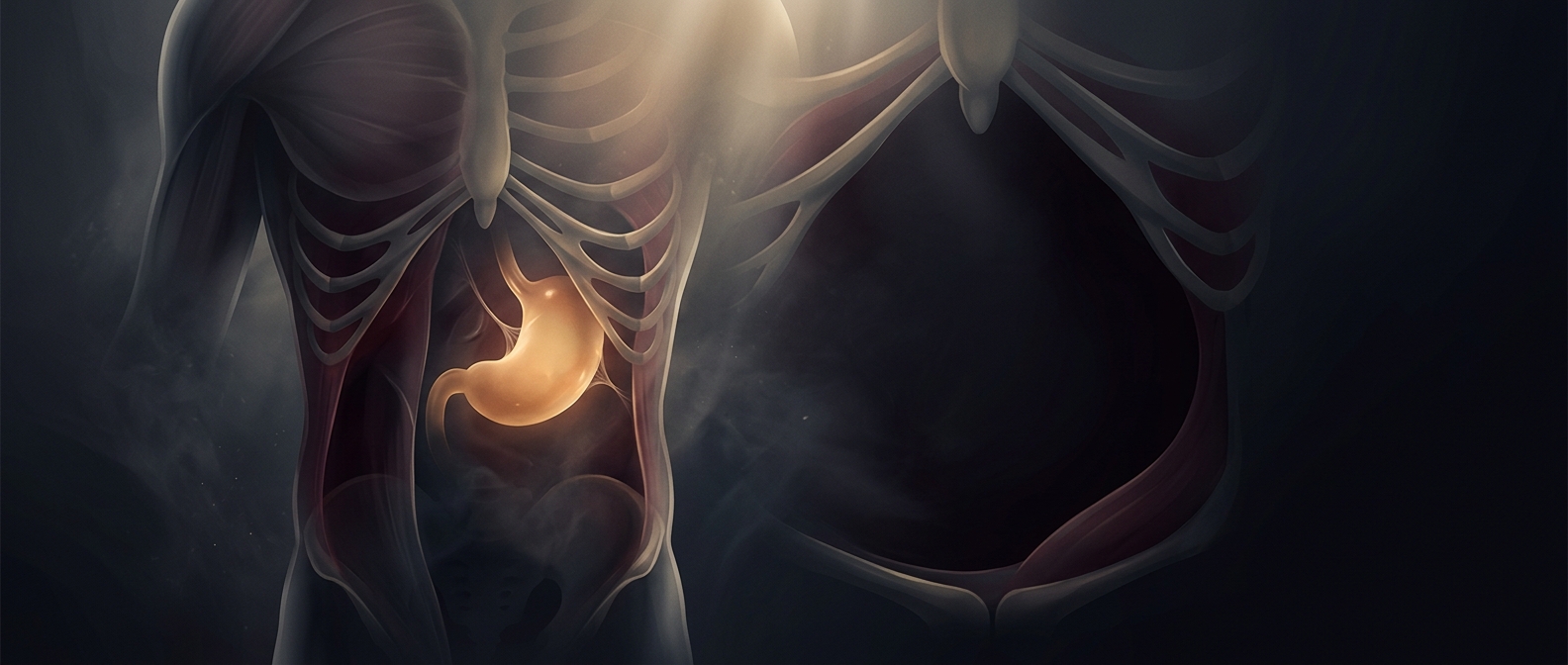
The peritoneum is not a single wrapper around each organ. It has two connected parts: a layer lining the inner abdominal wall and a layer covering many organs. Between them is a narrow space containing a thin film of fluid. The fluid lets the surfaces slide past one another, much like a lightly lubricated interface—not a roomy gap in which the organs float.
That arrangement matters because the abdomen is constantly changing shape. The diaphragm moves with each breath, abdominal muscles tighten and relax, and the stomach and intestines shift as they fill and empty. The membrane allows these small movements without the surfaces catching against each other.
A suspended, connected arrangement
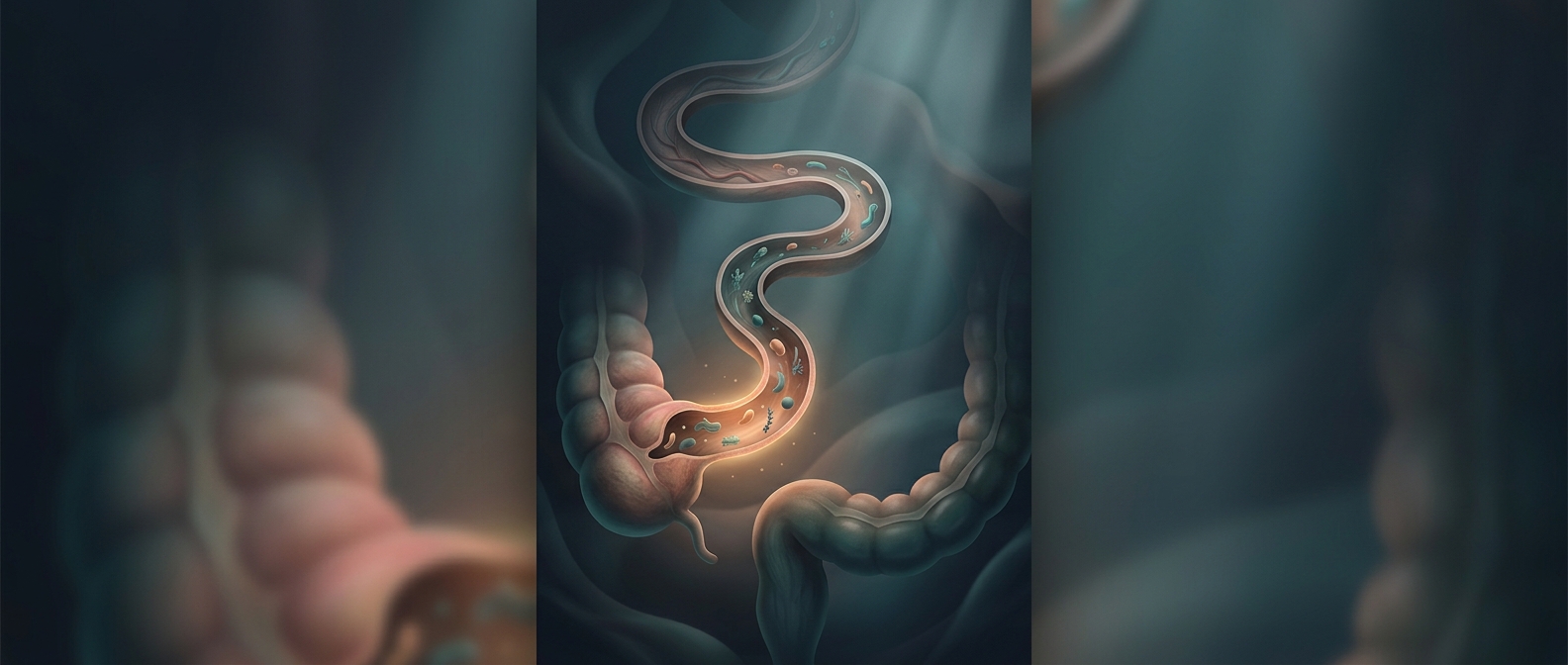
Some folds of peritoneum, called mesenteries, connect organs to the abdominal wall. They help hold organs in place while still allowing movement, and they carry blood vessels, nerves, and lymphatic vessels—the channels that help drain tissue fluid and support immune defenses. So the peritoneum is both a gliding surface and part of the infrastructure that supports the organs.
Not every abdominal organ is covered in the same way. The kidneys, for example, sit behind the main peritoneal space rather than being enclosed within it. That distinction helps explain why the membrane is best understood as a lining and set of folds, not a universal coating.
When the glide is disrupted
The surfaces are normally close together and move quietly. If the peritoneum becomes inflamed, its normally smooth surfaces can become irritated and painful as they move. In that situation, ordinary motions such as breathing or shifting position may hurt—an indication that a membrane designed to make movement easy has become part of the problem.