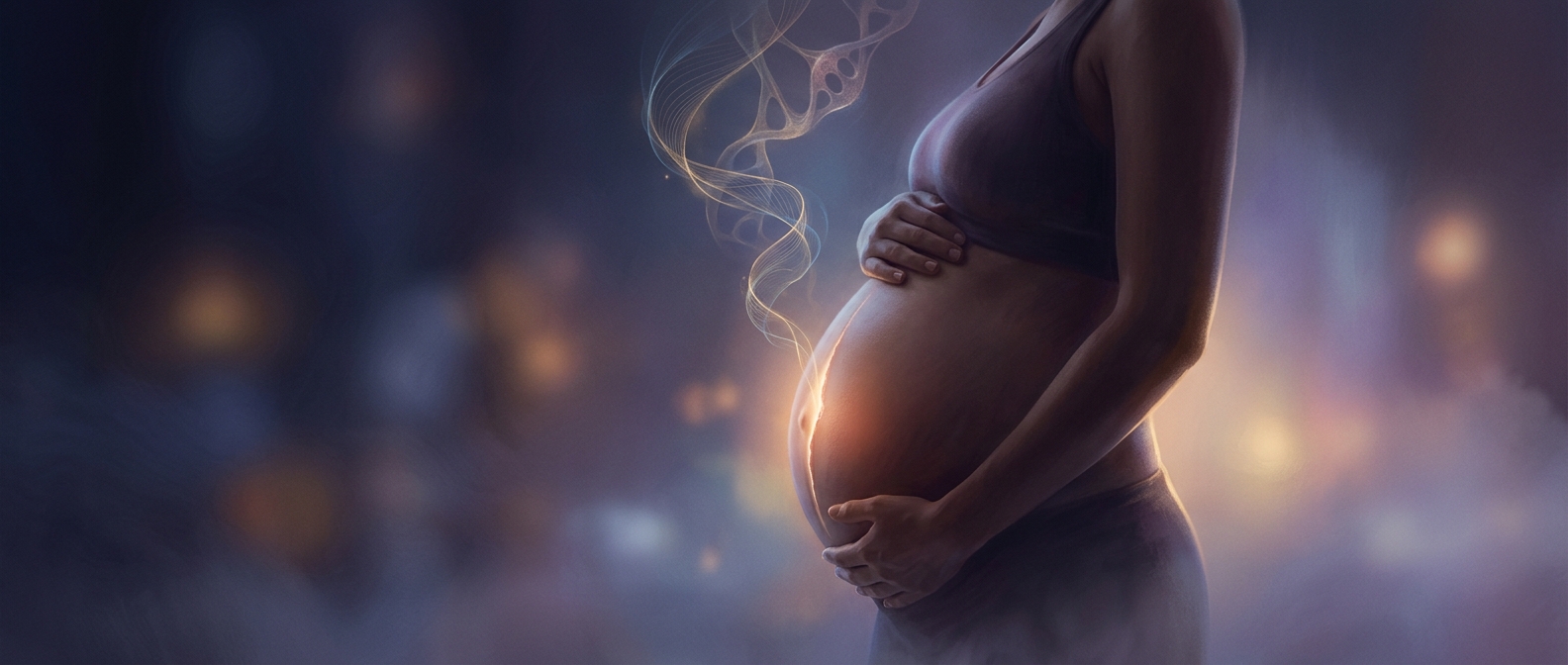
What separates in diastasis recti
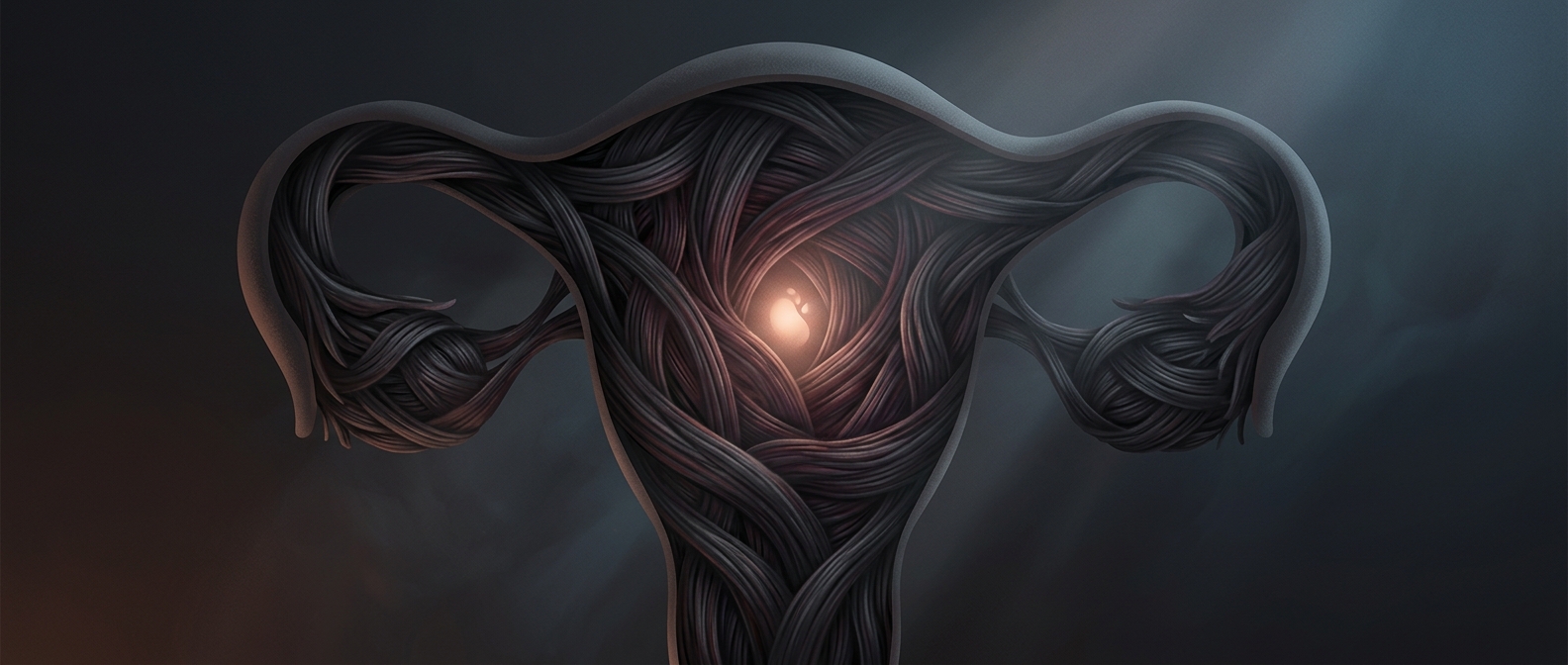
The two long abdominal muscles on either side of the midline are joined by a tough band of connective tissue called the linea alba. As the uterus expands during pregnancy, it pushes the abdominal wall outward and puts that band under sustained stretch. The linea alba can widen and become thinner, increasing the gap between the muscles.
That distinction matters: the muscles usually have not torn apart. The change is mainly in the connective tissue between them, which normally helps the abdominal wall transfer force and support the trunk.
Why the gap can show as a ridge
As the band stretches, it may provide less tension across the midline. When someone raises their head, sits up, or strains, pressure inside the abdomen can push the softened area forward, creating a visible ridge or bulge. The appearance can vary with posture and effort, so a ridge is not simply a measure of how wide the gap is.
Pregnancy places particular demands on this tissue because the abdominal wall must accommodate a growing uterus over time. The amount of stretching differs from person to person; the visible separation is not, by itself, evidence that anyone did something wrong.
What the change means afterward
After birth, the uterus shrinks and the abdominal wall is no longer under the same outward pressure. The connective tissue may regain some tension, but recovery varies, and a gap can remain. Because the issue involves the wall’s connective tissue and its ability to manage pressure—not just the distance between two muscles—understanding it takes more than looking at the midline alone.