How the Uterus Turns Muscle Into Labor
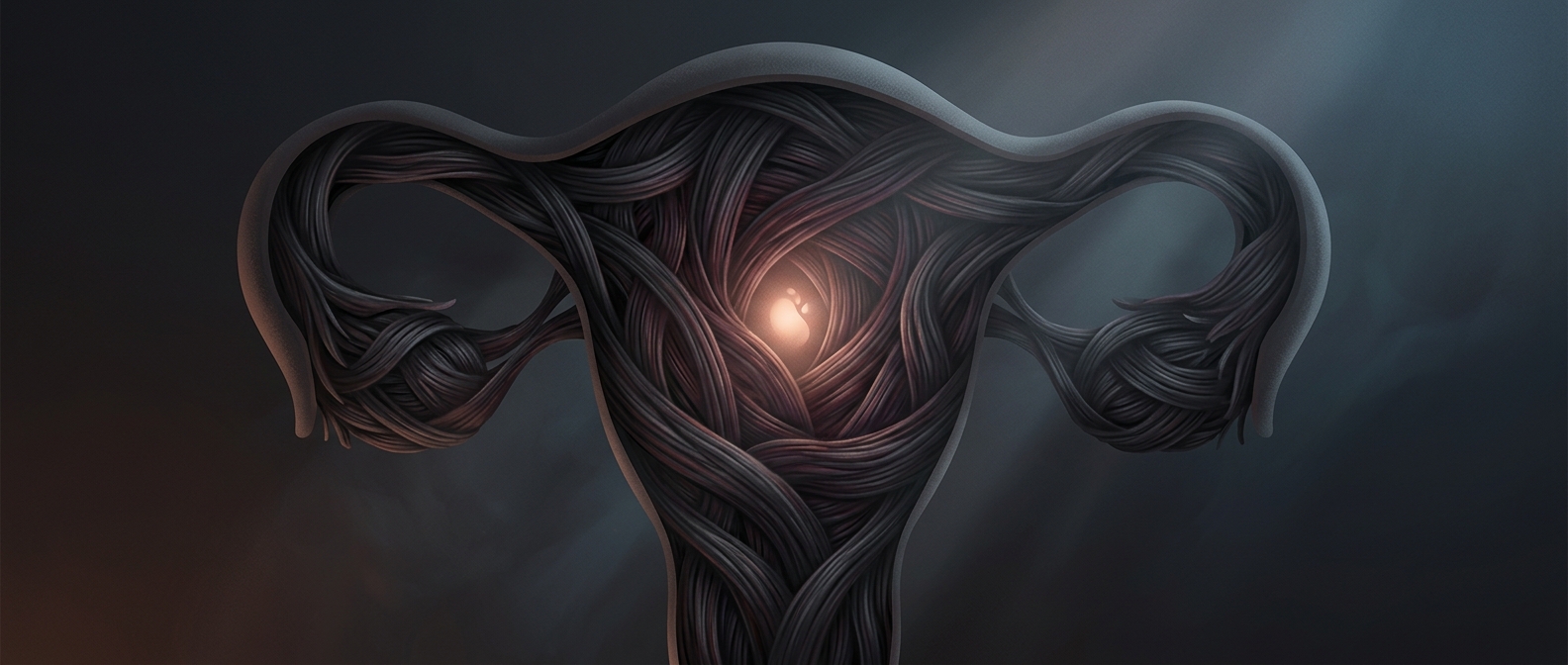
The myometrium is not a single muscle band. It is a thick layer of smooth muscle cells woven through the uterine wall in intersecting bundles. Smooth muscle works without conscious control, as it does in organs such as the intestines. Its arrangement lets the uterus contract as a coordinated organ rather than as one isolated strip.
From Quiet Wall to Coordinated Waves
For much of pregnancy, the myometrium remains relatively quiet, helping the uterus expand as the fetus grows. Near labor, signals involving hormones and local chemical messengers make uterine muscle cells more responsive and better able to communicate with one another. As contractions begin, electrical activity spreads through the tissue, prompting groups of cells to tighten and then relax.
Each contraction briefly raises pressure inside the uterus. Repeated waves help thin and open the cervix and move the fetus downward. The muscle does not simply push in one direction: the uterus changes shape as its upper portion contracts, while the lower portion and cervix stretch to make a passage.
Why the Muscle Layer Matters
The myometrium must do two jobs that pull in opposite directions. During pregnancy, it needs to stretch substantially without labor starting; during birth, it must generate strong, repeated contractions. Its thick, bundled muscle structure gives the uterus both the capacity to enlarge and the strength to contract.
After birth, contractions continue. They help compress blood vessels in the uterine wall where the placenta separated, limiting bleeding as the uterus begins to shrink back toward its earlier size.