How the cervix protects the uterus
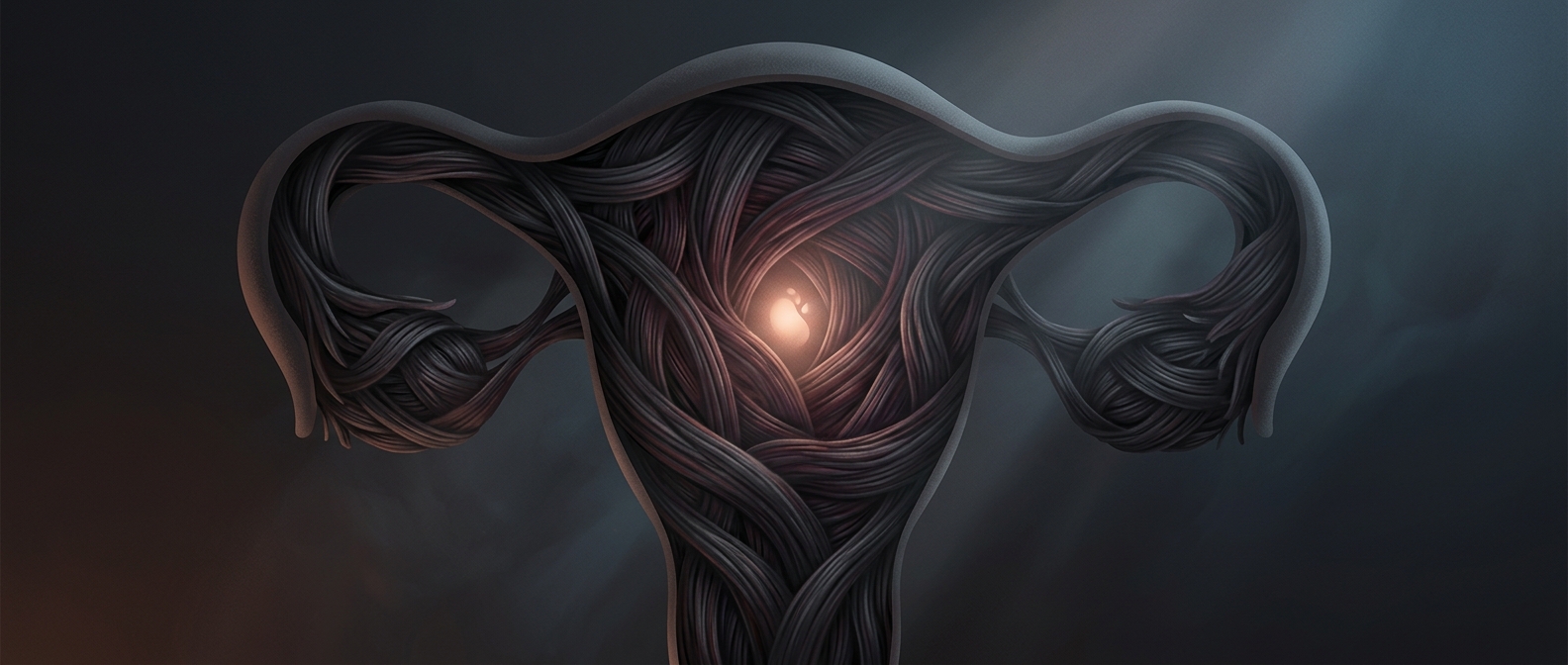
The cervix is the narrow, lower end of the uterus, opening into the vagina. Its canal is not simply an empty passage: cells lining it produce cervical mucus, which changes in consistency over the menstrual cycle. Much of the time, this mucus forms a thick barrier that makes it harder for microbes to travel upward into the uterus. It is a defense, not a perfect seal; infections can still occur.
A barrier that changes with the cycle
Hormones alter the mucus. Around ovulation, when sperm need a route to an egg, it becomes thinner and more slippery, allowing sperm to pass through the cervix. At other times, it tends to be thicker and less penetrable. The cervix also produces mucus that helps trap and clear material, working alongside other defenses in the reproductive tract.
Opening for birth
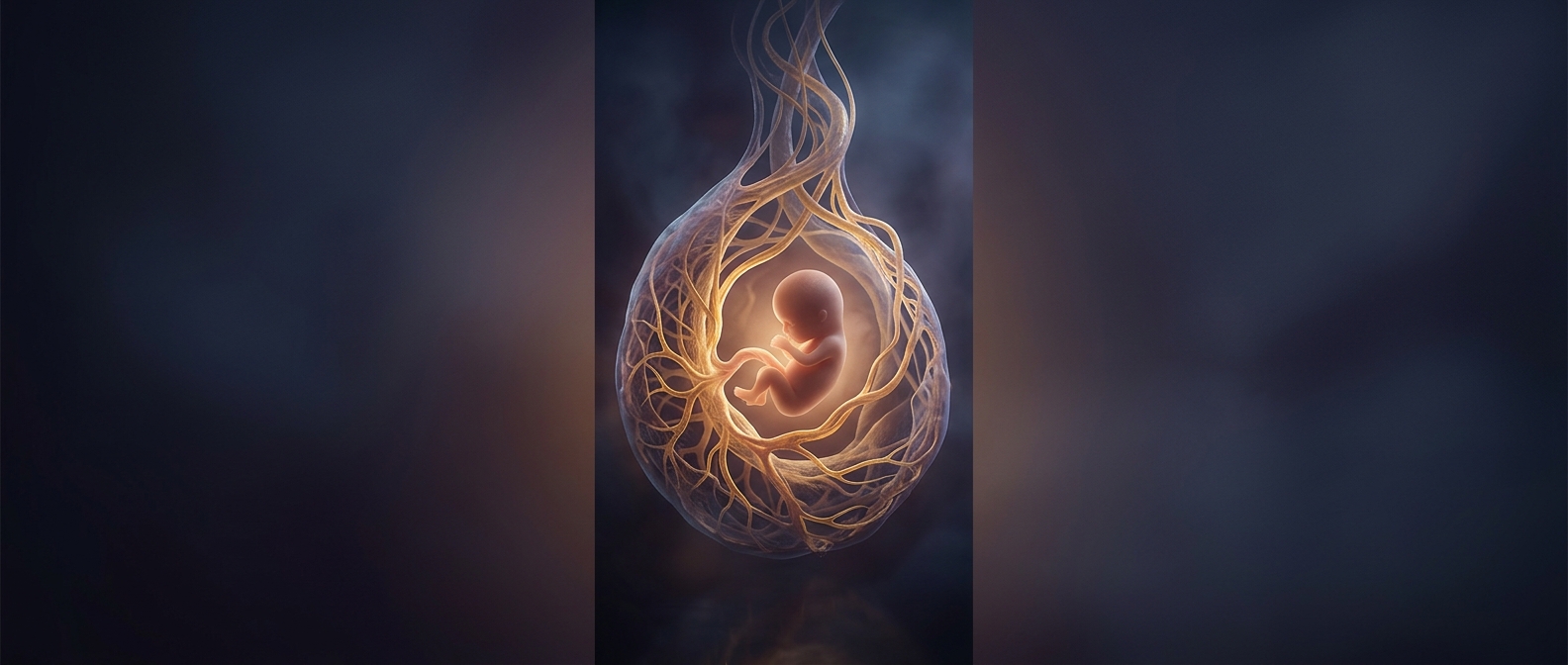
During pregnancy, the cervix usually stays firm and closed, helping support the developing pregnancy. Near labor, hormonal and physical changes soften and shorten it; contractions then help it open, or dilate, enough for the baby to pass from the uterus into the vagina. After birth, it gradually narrows again.
This gate is therefore adjustable rather than locked: its changing mucus supports different needs across the cycle, while its ability to remain closed and later dilate makes it both a protective boundary and part of the route through which birth occurs.