Why the Ovarian Reserve Shrinks
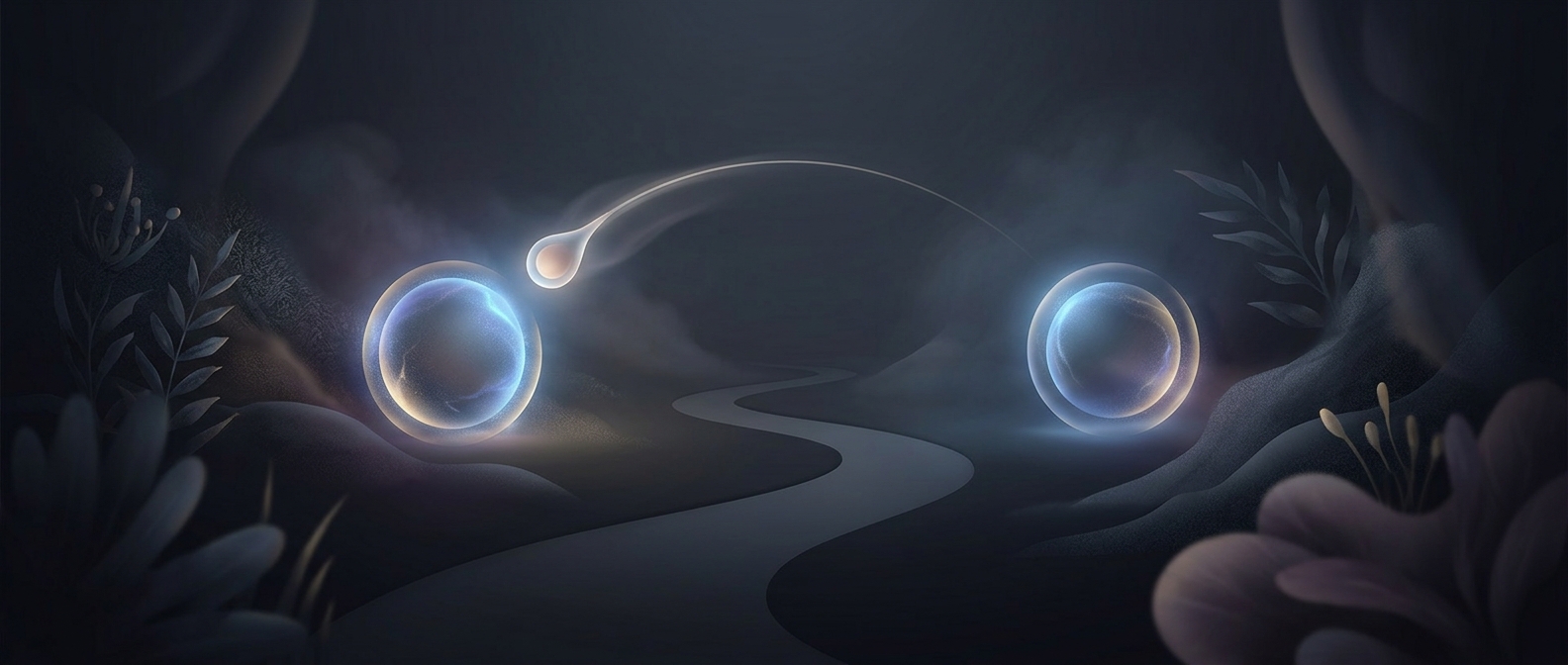
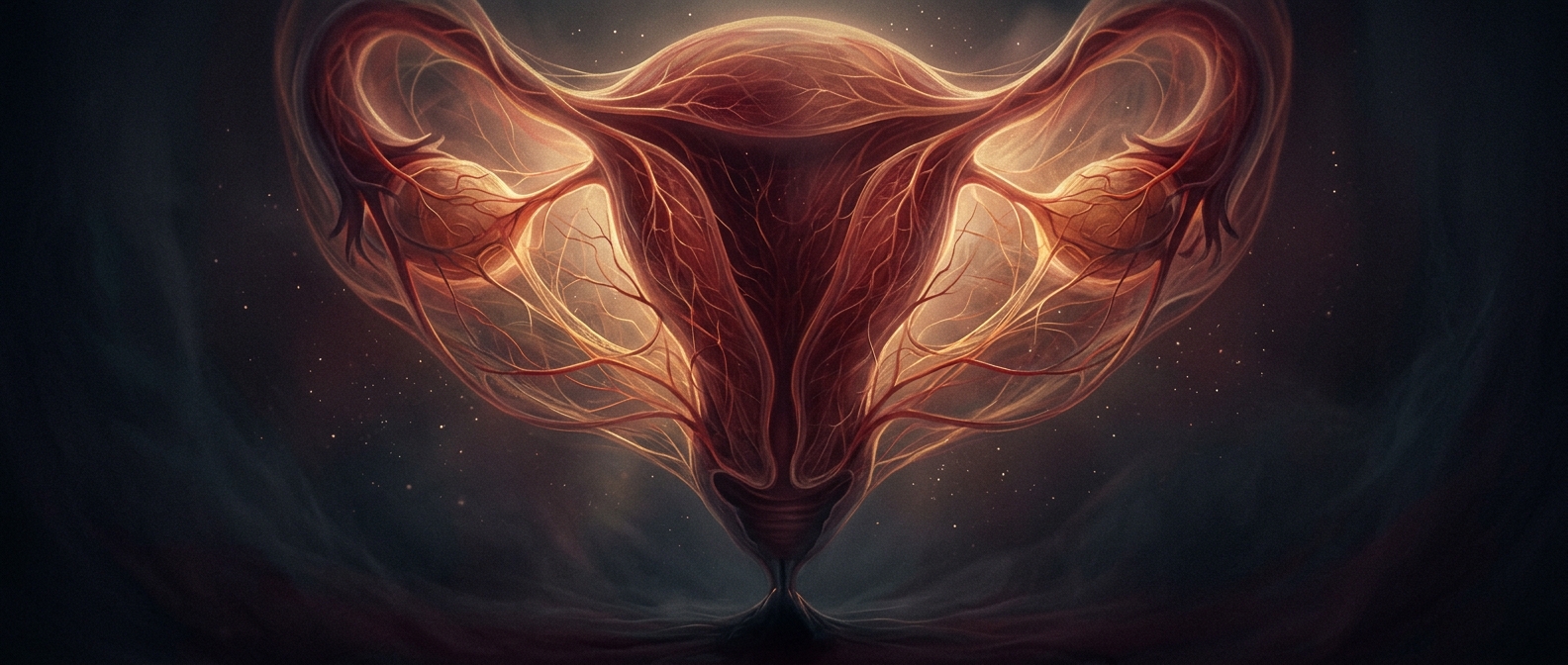
Before birth, cells in the ovaries begin developing into oocytes, the immature cells that can later become eggs. Each is enclosed in a tiny follicle, a small structure that supports its development. The supply reaches its peak before birth; after that, the body does not make a replacement batch.
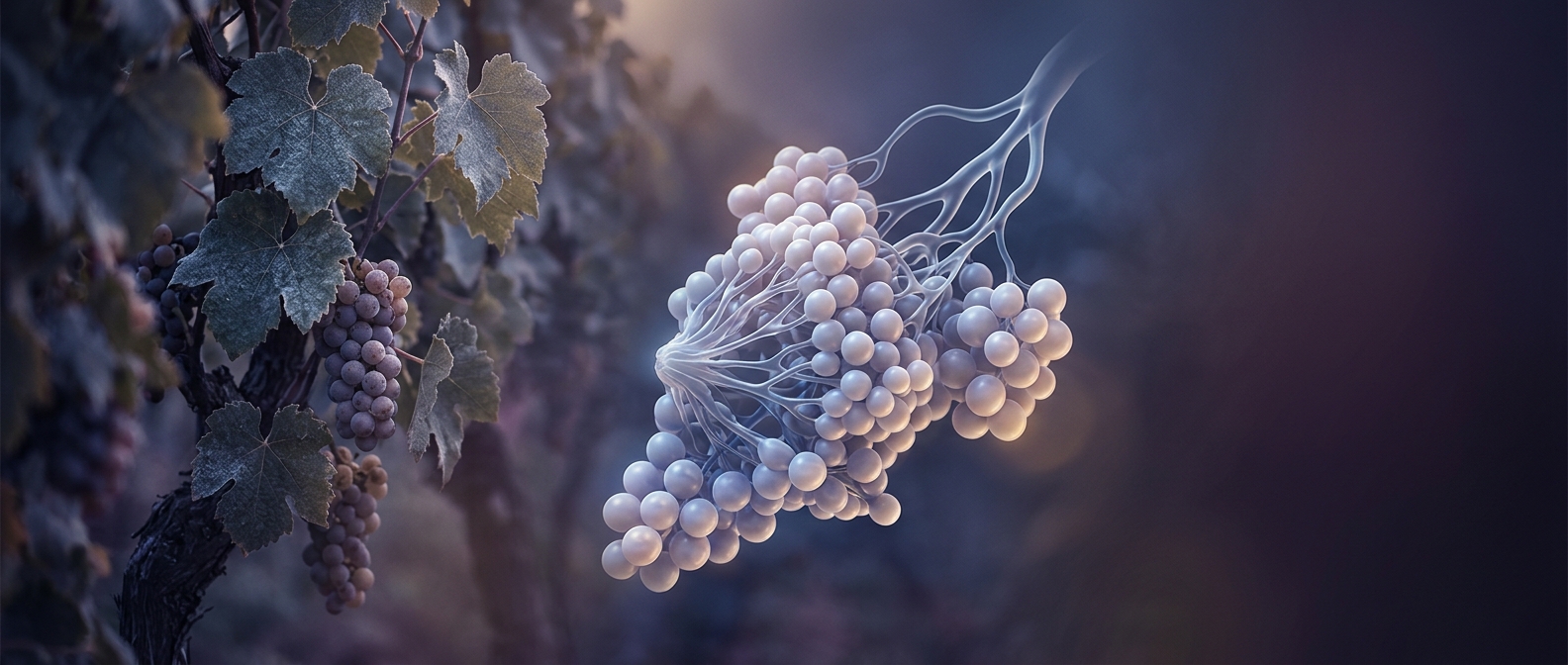
Most follicles never release an egg. Many naturally break down in a process called atresia, which occurs throughout life. At puberty, hormones begin coordinating the growth of a group of follicles during each menstrual cycle. Usually, one becomes dominant and releases an egg at ovulation; the others in that group generally stop developing. That is why the reserve falls far faster than the number of eggs released through ovulation alone would suggest.
Why Age Can Affect Egg Quality
An oocyte starts a cell-division process before birth, then pauses for years or decades. When it resumes maturing, it must divide its chromosomes—the packages of DNA—so the resulting egg has the right set. With age, this division is more likely to go wrong, increasing the chance of an egg with an abnormal number of chromosomes.
The reserve and quality are related to age, but they are not the same thing: counting remaining follicles cannot tell exactly how many eggs will be released or whether a particular egg can develop normally. The practical consequence is that fertility tends to decline as both the available pool and the share of eggs capable of normal development decrease. The ovaries are drawing from a finite reserve, and each cycle uses part of that reserve whether or not pregnancy occurs.