A growing organ, not a passive container
The uterus makes room through changes in its own tissue. Its muscular wall is made largely of smooth-muscle cells, which can enlarge and, especially early in pregnancy, increase in number. The surrounding connective tissue also reorganizes, allowing the wall to lengthen and thin as the uterus grows.
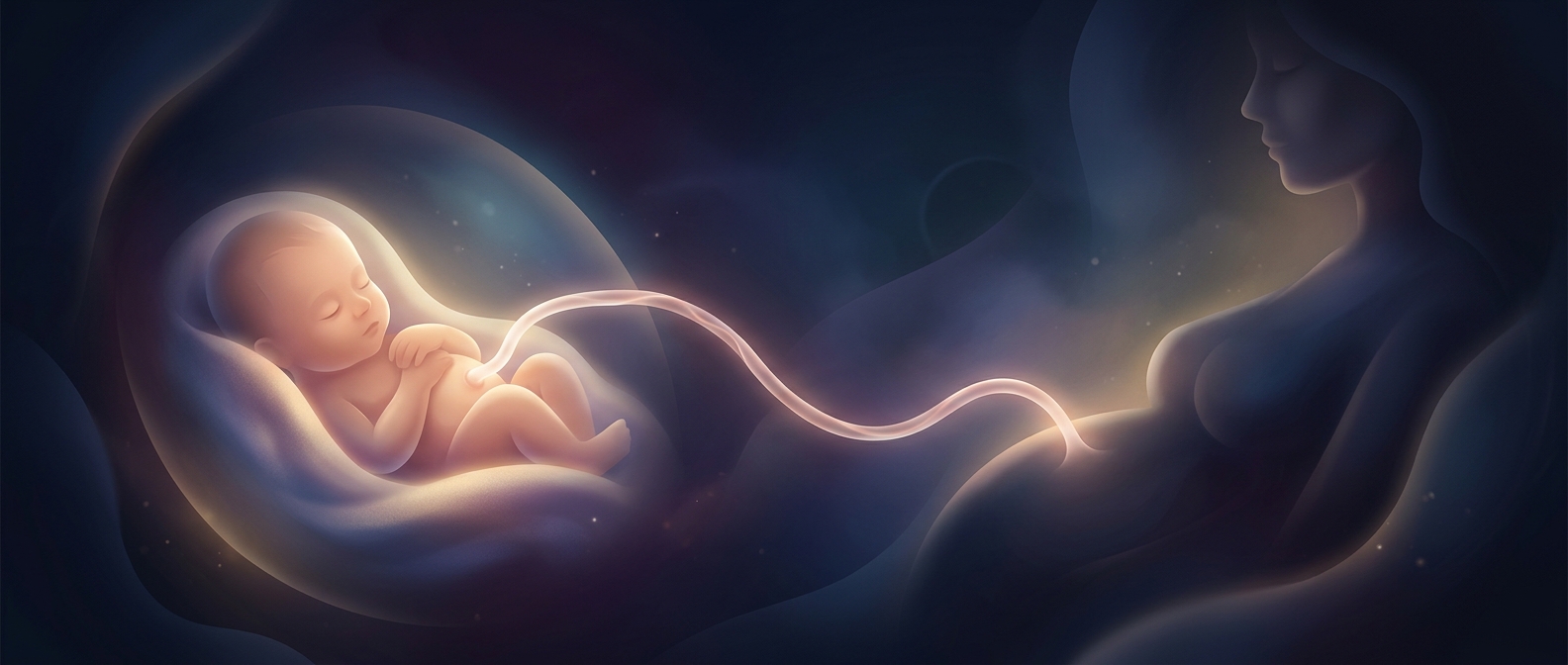
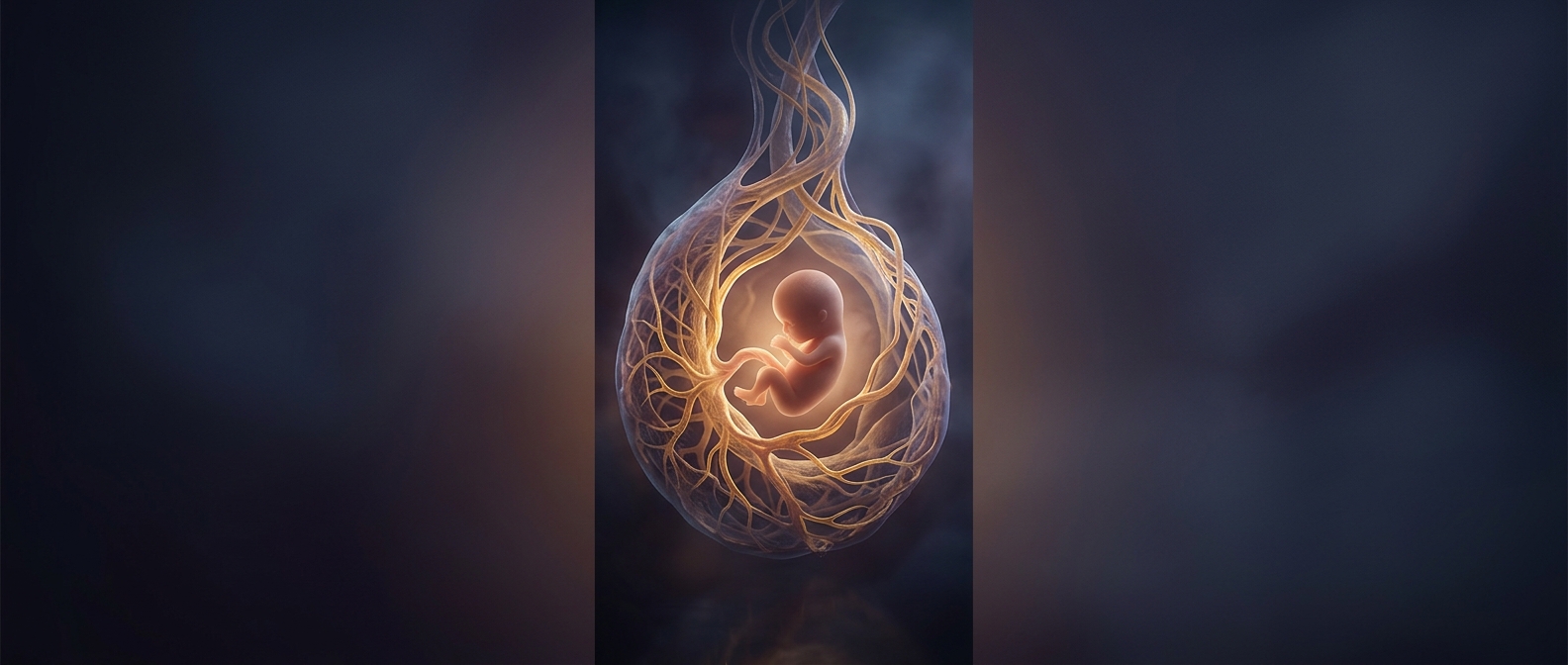
Pregnancy hormones help coordinate this remodeling. At the same time, the placenta and developing baby require a steadily greater blood supply, so blood vessels in the uterine wall expand and new ones form. The uterus is therefore adapting both its shape and its circulation—not merely stretching around a growing occupant.
Built to stretch, then contract
As the pregnancy advances, the muscle fibers become longer and the wall becomes thinner, while remaining strong enough to contain and support the pregnancy. The upper part of the uterus rises into the abdomen, shifting nearby organs as space becomes tighter. This gradual change is why growth can bring pressure or a sense of fullness even before labor begins.
The same muscle that accommodates growth later powers labor. During contractions, smooth-muscle cells tighten in coordinated waves to help push the baby through the birth canal. After birth, continued contractions help compress blood vessels where the placenta detached, limiting bleeding.
The remodeling reverses
Once the pregnancy ends, the uterus does not stay at its expanded size. Over the following weeks, its muscle cells shrink and excess tissue is broken down and removed; contractions help the organ draw inward. This return toward its earlier size is called involution. The striking part is the two-way adaptation: the uterus reshapes itself to support a pregnancy, then gradually remodels again after the work is done.