Why the cord can be cut without causing pain
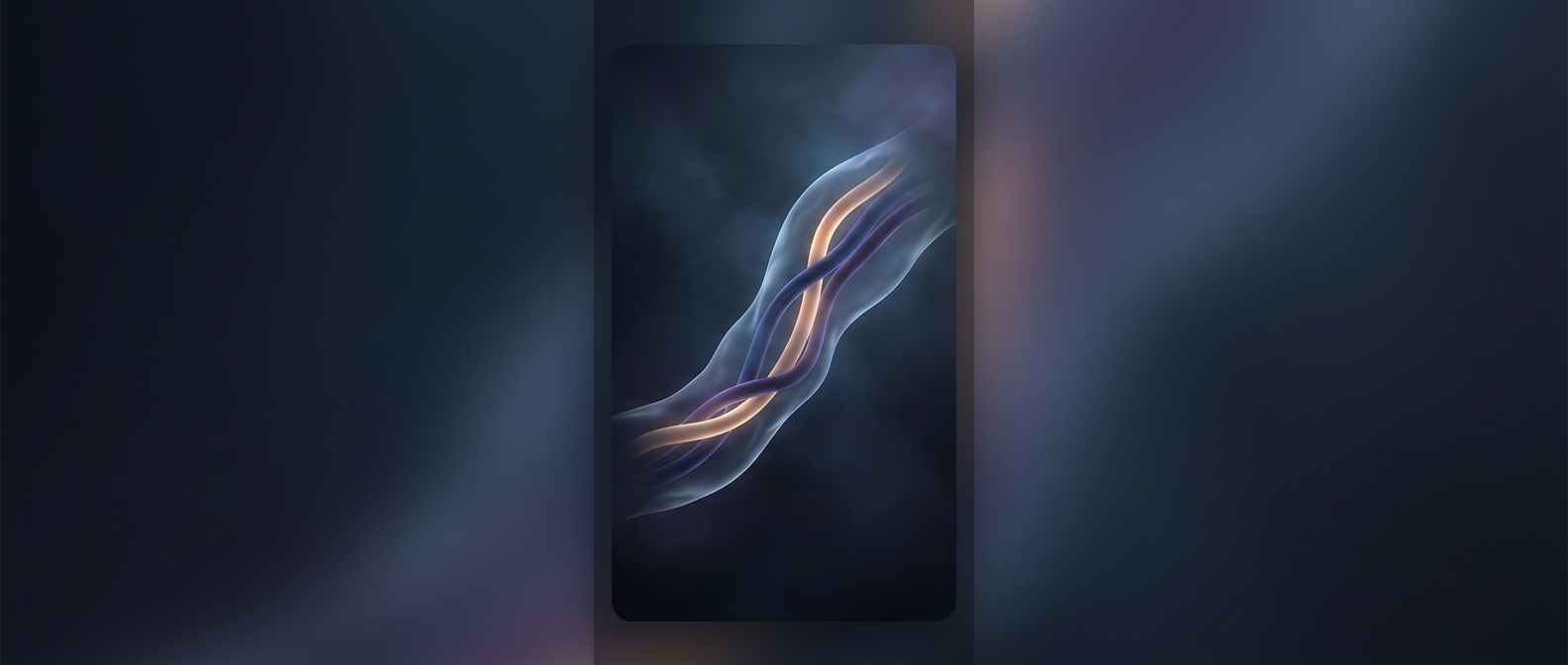
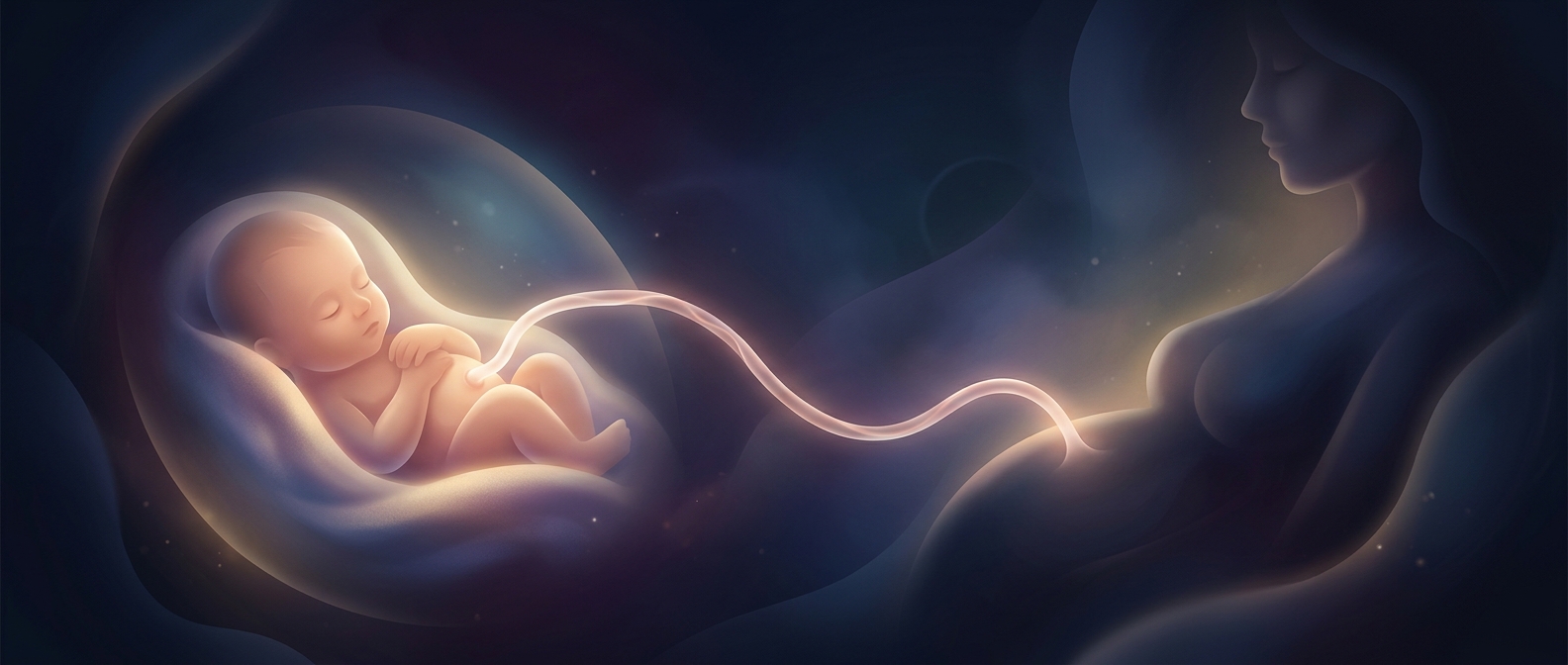
Pain requires nerves to detect a harmful stimulus and carry a signal to the brain. The umbilical cord is not ordinary skin or muscle: it is a flexible connection made mainly of blood vessels embedded in a cushioning, jelly-like tissue. It has no pain-sensing nerve endings, so the cut itself does not send a pain signal to the newborn.
After birth, a clamp closes the cord’s blood vessels, and the cord is cut on the side beyond the clamp. This separates the newborn from the placenta; it does not cut into the baby’s body. The cord’s blood vessels also begin to close as the newborn’s circulation adjusts to life outside the womb.
What happens to the stump
A short piece remains attached at the baby’s navel. With time, it dries, darkens, and falls away as the tissue separates. That change is not the same as a painful wound being cut open: the cord tissue itself cannot feel pain. The surrounding skin can still become irritated, and signs such as increasing redness or drainage are reasons to seek medical advice.
The distinction is useful beyond delivery: a baby may cry during handling or another procedure happening at the same time, but that does not mean the cord’s severing caused pain. The cut ends a physical connection, not a sensation the cord can register.