A shared border, not a shared bloodstream
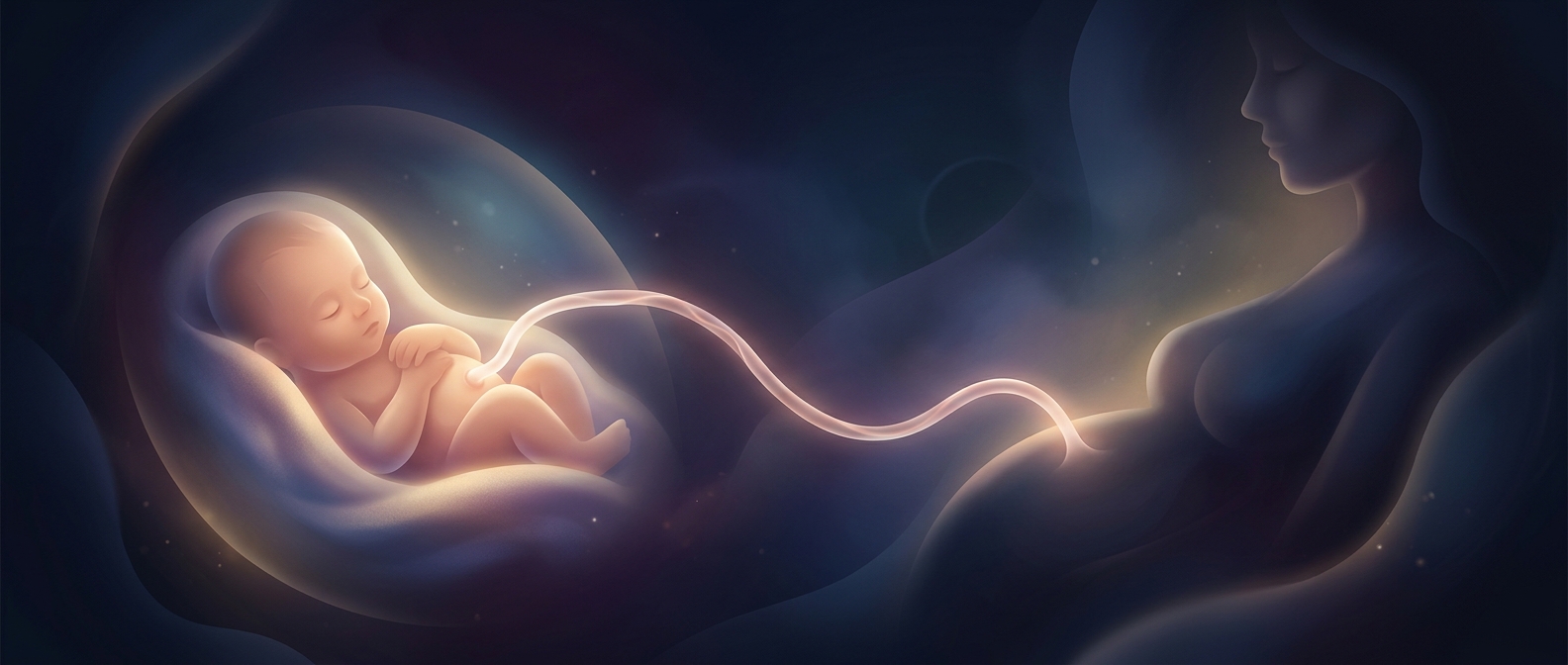
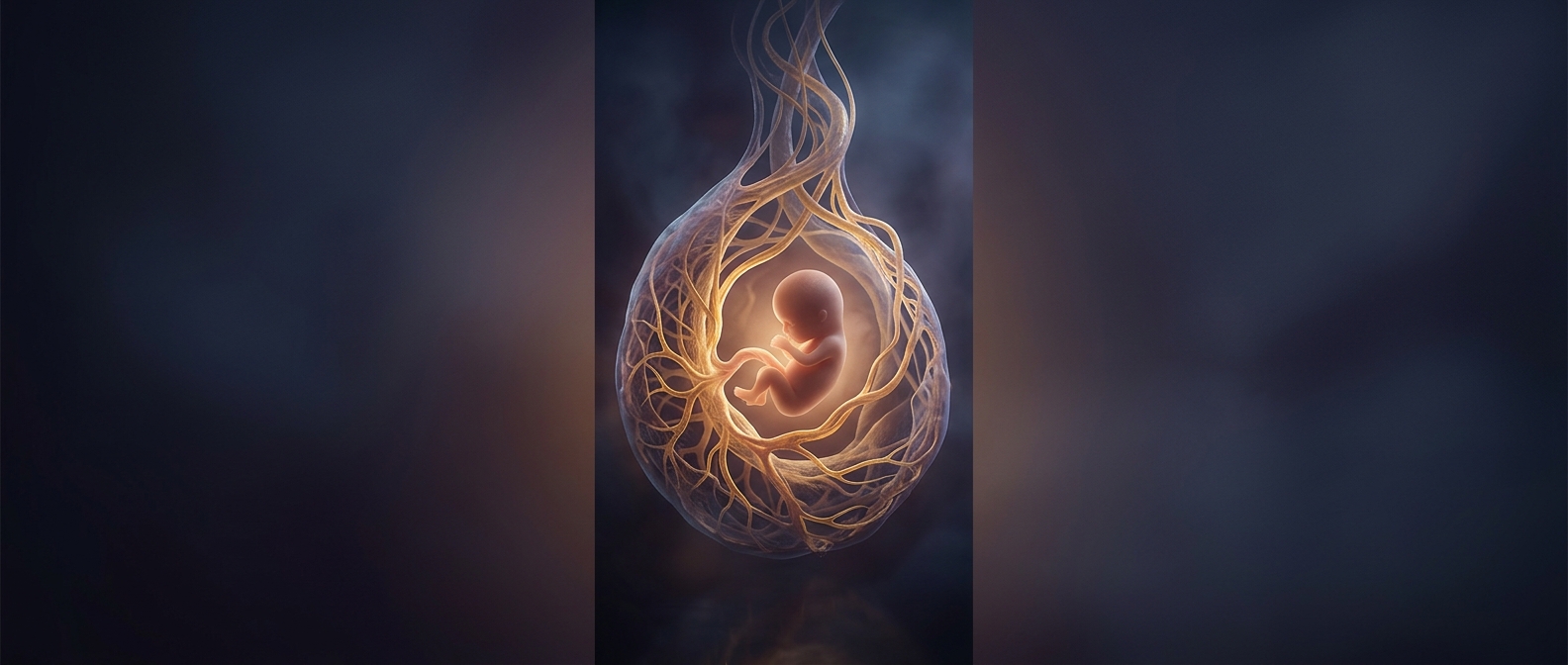
The placenta is built from both fetal and pregnant-person tissues. Its branching structures, called villi, extend into the uterine lining. Maternal blood flows around them, while fetal blood travels through tiny vessels inside them. Across this thin boundary, oxygen and nutrients pass toward the fetus, and carbon dioxide and other waste products pass back. The two blood supplies usually remain separate.
The placenta also makes hormones that help maintain the pregnancy and supports the exchange as the fetus grows. Its design is highly specialized: a large branching surface allows substantial transfer without requiring the two circulations to join.
Why it leaves after birth
Once the baby is born, the placenta’s exchange role ends. The uterus continues contracting, which helps detach the placenta from the uterine wall and push it out. This is the final stage of birth, often called the delivery of the placenta.
That separation is more than clearing away tissue. Where the placenta was attached, blood vessels have been supplying the pregnancy; uterine contractions help compress them as the placenta comes away. The organ is temporary, but its departure is part of the body’s transition from supporting a pregnancy to recovering from birth.