Why a small amount of urine can feel urgent
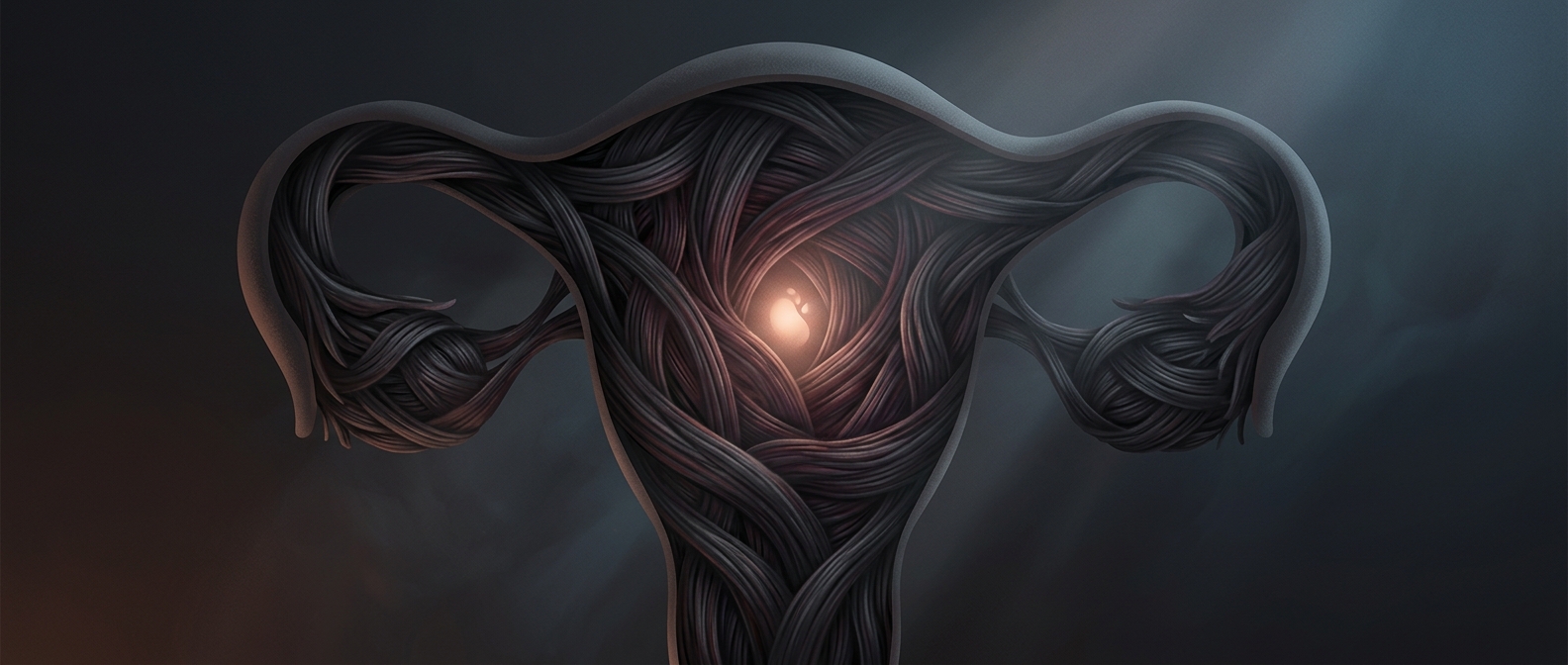
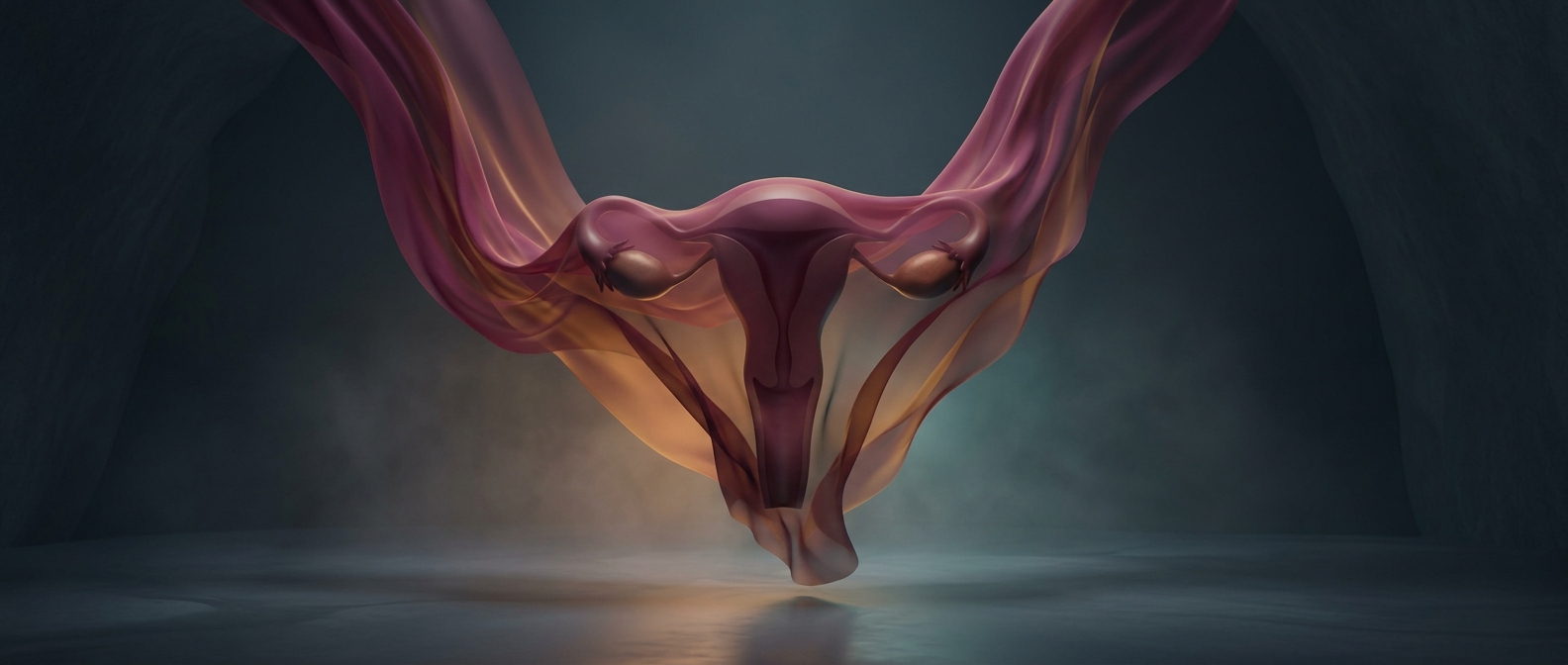
The bladder is a stretchy muscular pouch, but it has limited room. As it fills, nerves in its wall send signals to the brain; the fuller and more stretched it becomes, the stronger the urge to urinate. During pregnancy, the growing uterus can press on the bladder, reducing how much urine it can hold comfortably before those signals become noticeable. That can mean more trips, sometimes with only a small amount to pass.
Pressure changes as pregnancy progresses
The effect can shift over time. Early in pregnancy, hormonal changes and increased blood flow through the kidneys can raise urine production, adding to the need to go. As the uterus grows, its physical pressure becomes more prominent. Later, the baby’s position and the uterus’s weight can continue to put pressure on the bladder, especially when standing or moving.
When frequent urination needs attention
Needing to urinate often is common in pregnancy, but pain or burning, fever, blood in the urine, or difficulty passing urine can point to a problem such as a urinary infection and should be discussed with a health professional. The practical consequence of the ordinary pressure is simpler: the bladder may signal “go” before it has collected much, so the urge does not necessarily mean it is unusually full.