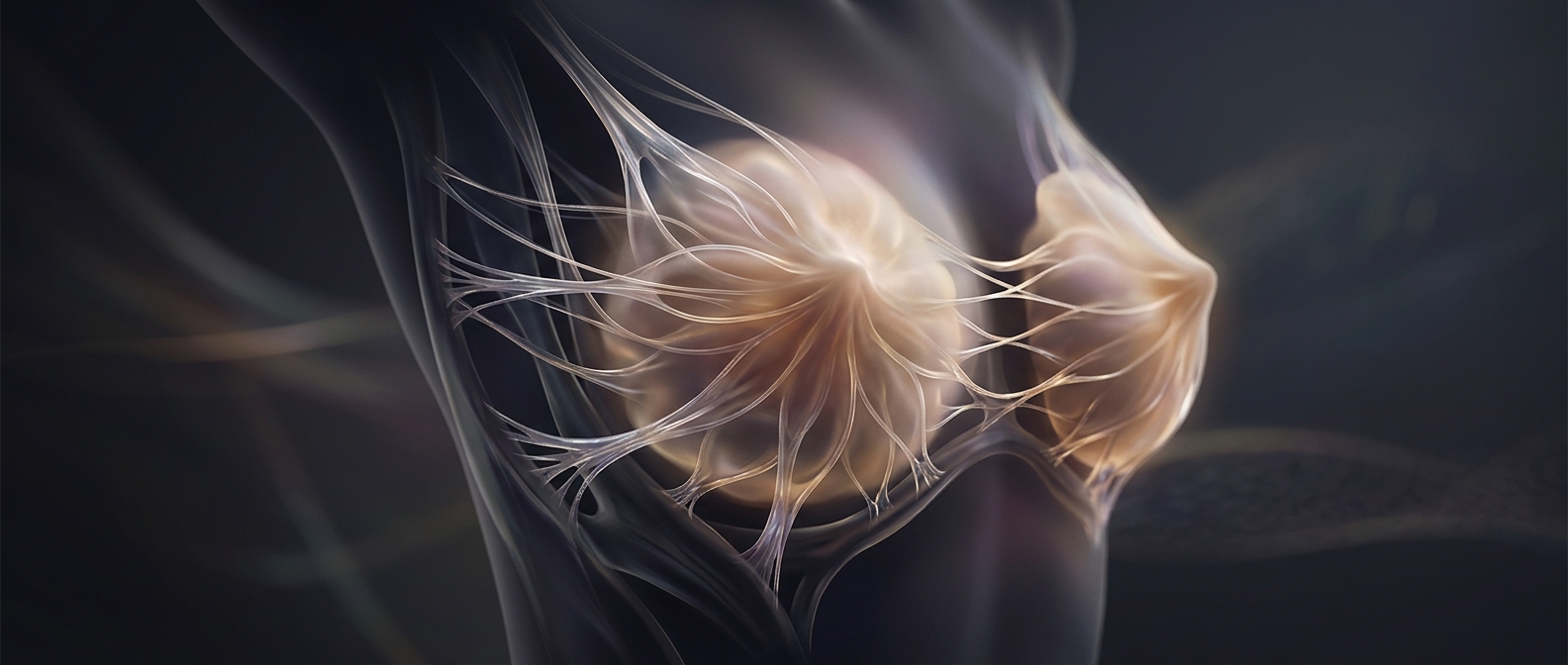
How the egg crosses the gap
The tube’s fringed edge is called the fimbriae. Around ovulation, it lies close to the ovary and can move over its surface. Tiny hairlike structures lining the tube, called cilia, beat in coordinated waves; fluid currents and the fimbriae’s motion help draw the egg, which is surrounded by supporting cells, toward the tube’s opening.
This is a guided pickup, not a pipe joined to the ovary. The released egg briefly enters the pelvic cavity—the small space around the reproductive organs—before it is swept into the tube. The process is delicate: the tube must be near enough, and its movements and cilia must work well, for the egg to enter.
Why the handoff matters
Once inside, the egg travels along the tube toward the uterus. Fertilization most often occurs in the tube, so sperm must also reach that route. The tube then helps move the early embryo onward, while its lining provides the environment for the first stages of development.
The short gap is therefore not a missing piece of anatomy. It is part of a working handoff: the ovary releases the egg, and nearby structures help capture and transport it.**