A small genome with a long history
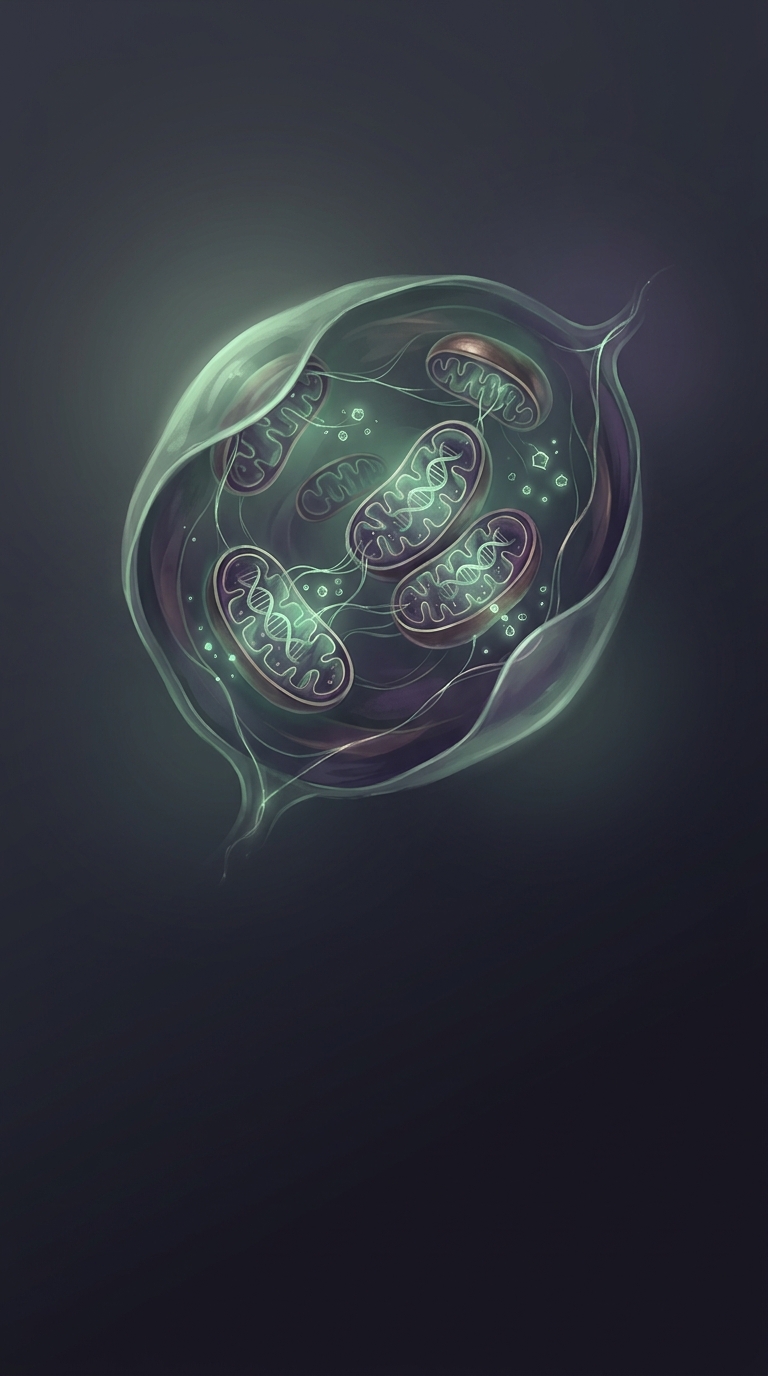
Mitochondria are structures inside cells that help convert energy from food into a form the cell can use. Most of the DNA that directs a human cell’s activities sits in its nucleus, but mitochondria also contain a small, separate set of genetic instructions: mitochondrial DNA, or mtDNA.
That arrangement is a remnant of deep evolutionary history. Mitochondria descend from bacteria that became residents inside other cells. Over time, many of the bacteria’s genes moved into the host cell’s nucleus, but mitochondria retained a small genome of their own. Today, they depend on the cell for many materials and instructions, so they are not fully independent organisms.
Why mitochondria copy their DNA on their own schedule
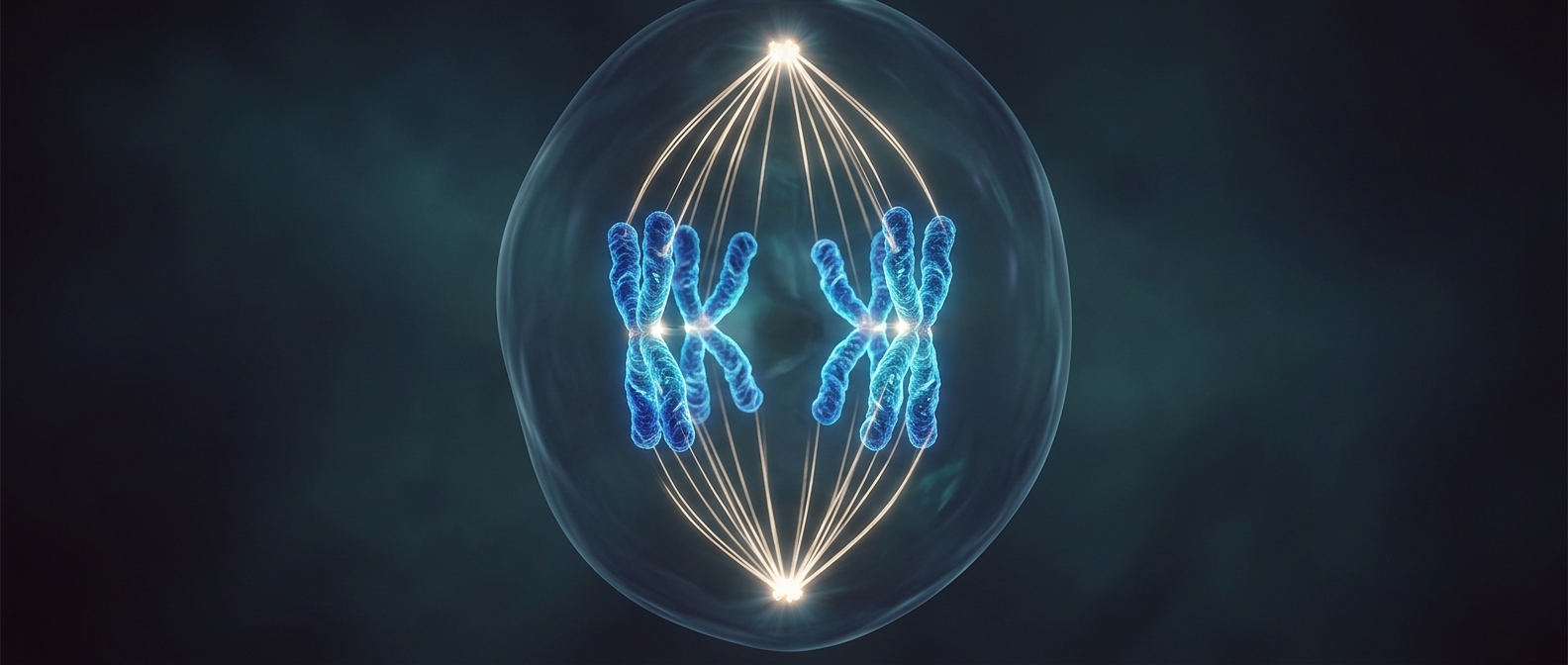
A cell can contain many mitochondria, and each can hold multiple copies of mtDNA. Mitochondria divide and copy their DNA as the cell’s needs and internal conditions change; their timing is not simply tied to the cell nucleus dividing. But “on their own schedule” does not mean without coordination: the cell helps regulate mitochondrial growth, division, and maintenance.
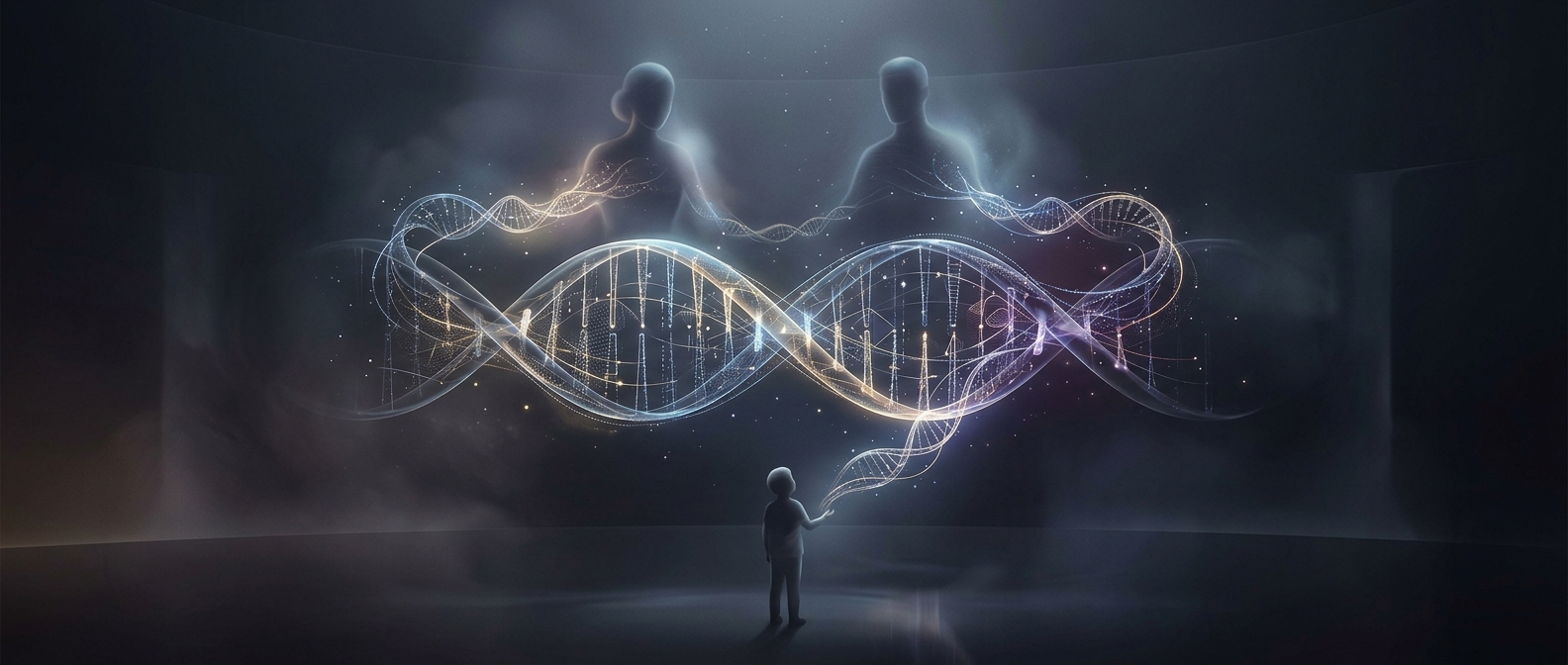
This makes mitochondrial inheritance different from the familiar inheritance of most nuclear DNA. In humans, an egg contributes nearly all the cytoplasm—and its mitochondria—to the embryo. Sperm usually contributes little or no mitochondrial material, so a person’s mtDNA generally comes from their mother. The mitochondria in that person’s cells then multiply as tissues grow.
A useful distinction in inheritance
Because mtDNA is inherited through the maternal line, it can help trace one narrow branch of family ancestry. It does not, by itself, describe a person’s entire ancestry or determine all aspects of health: most genes are in the nucleus, and mitochondrial function depends on cooperation between nuclear and mitochondrial genes. The ancient partnership still has a practical consequence today: a tiny genome follows a different family route from the much larger one housed in the nucleus.