What the 99.9% comparison measures
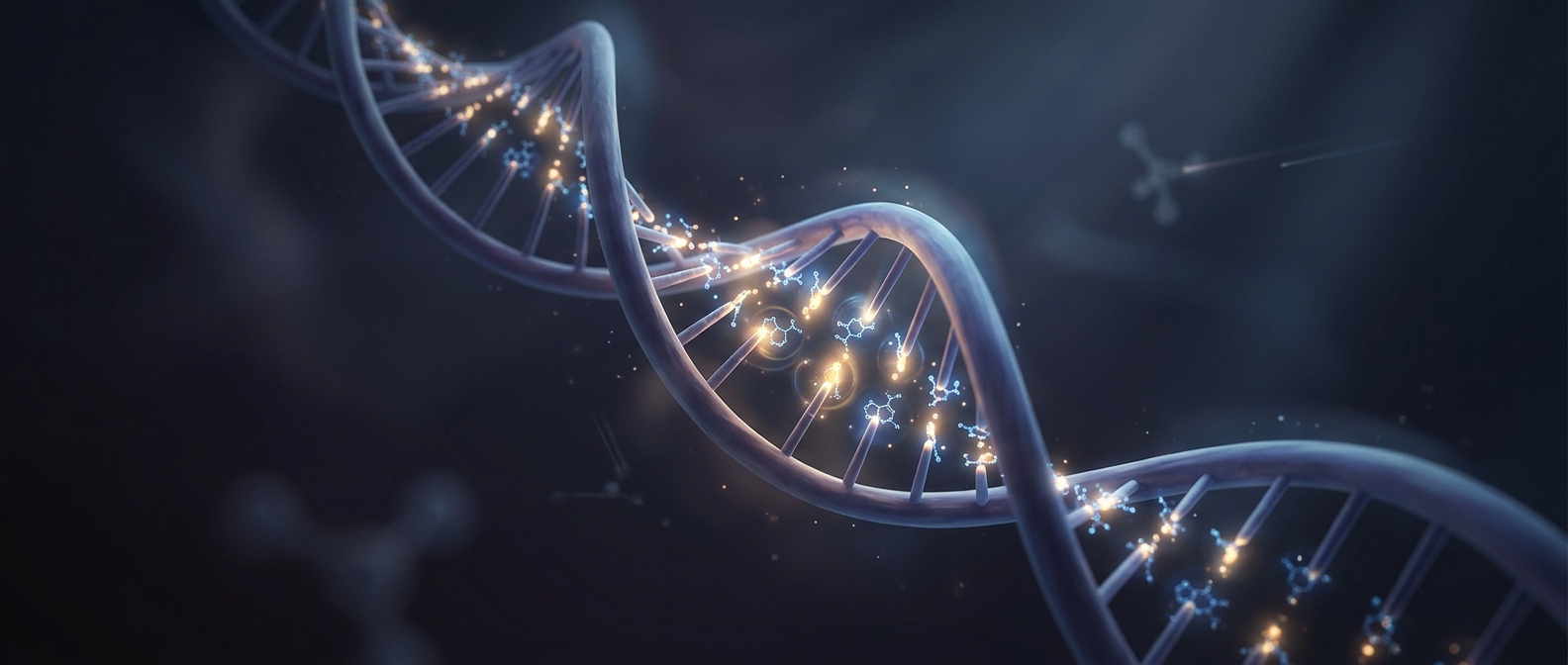
A person’s genome is the full set of DNA they carry. To compare two genomes, researchers line up corresponding stretches of DNA and look for positions where the sequence differs. At most positions, the letters match; the familiar estimate that people are about 99.9% alike describes this broad pattern of similarity, not a claim that every pair has exactly the same percentage.
DNA differences can be as small as a change in one letter, or involve a longer stretch that is repeated, missing, or rearranged. The comparison depends on which parts of the genome are measured and how those differences are counted, so the percentage is a useful overview rather than a complete tally of every biological distinction.
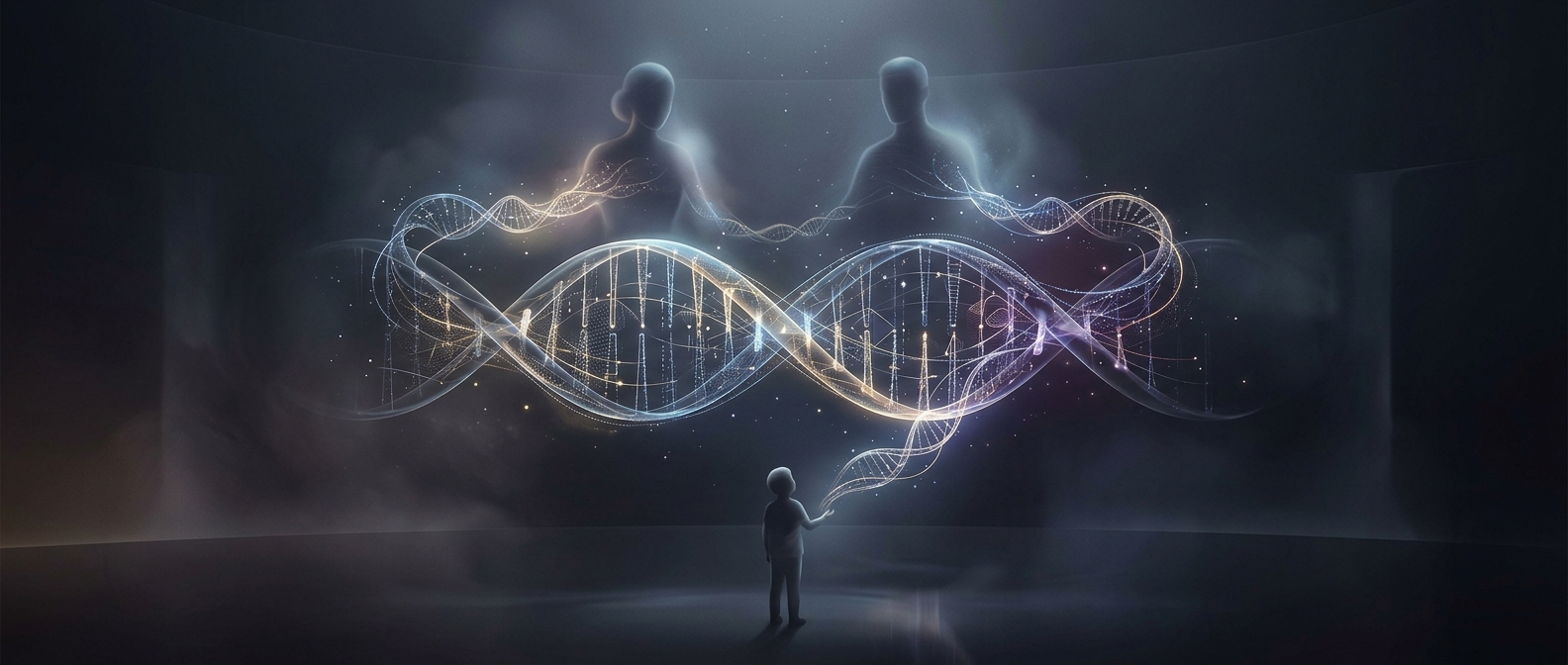
A shared blueprint, with variation in the details
Most DNA contains instructions and control signals used to build and maintain the body. Some variations affect how a gene’s instructions work; others influence when or where a gene is active. Many have no noticeable effect on health or appearance. Traits usually arise from many genetic variants interacting with one another and with a person’s environment, rather than from a single difference acting alone.
That is why a tiny fraction of variation can still matter. A particular change may alter the risk of a disease, affect how someone responds to a medicine, or contribute to a visible trait—but its effect depends on the specific change and the broader biological context. The 99.9% figure does not mean the remaining variation is trivial, nor does it let anyone infer a person’s traits from a simple percentage.
Why the comparison matters
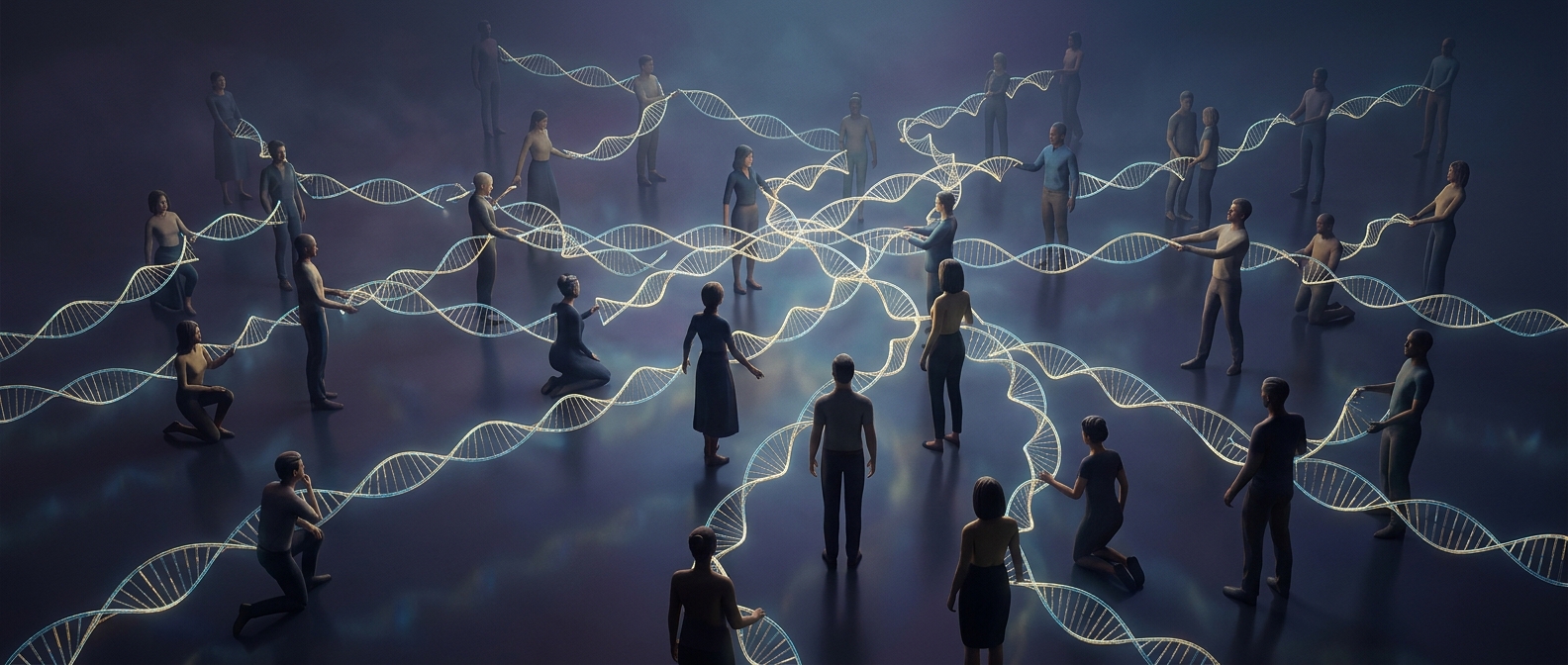
The shared DNA makes it possible for researchers to study human biology by looking for patterns in the small differences among people. It also helps explain why genetic categories should not be mistaken for sharply separated kinds of people: variation is real, but most of our DNA is common, and many differences are distributed across individuals and populations. The striking point is not that people are identical, but that substantial human diversity exists within an overwhelmingly shared genetic foundation.