How DNA fits inside a cell
A human cell’s nucleus—the small compartment that holds most of its DNA—is far too tiny to contain a loose strand stretched out in a line. The solution is not simply to wind DNA into a tight ball. Instead, the molecule is organized in layers, so it can be compact while remaining accessible when the cell needs to read or copy particular sections.
Histones make the first layer of packing
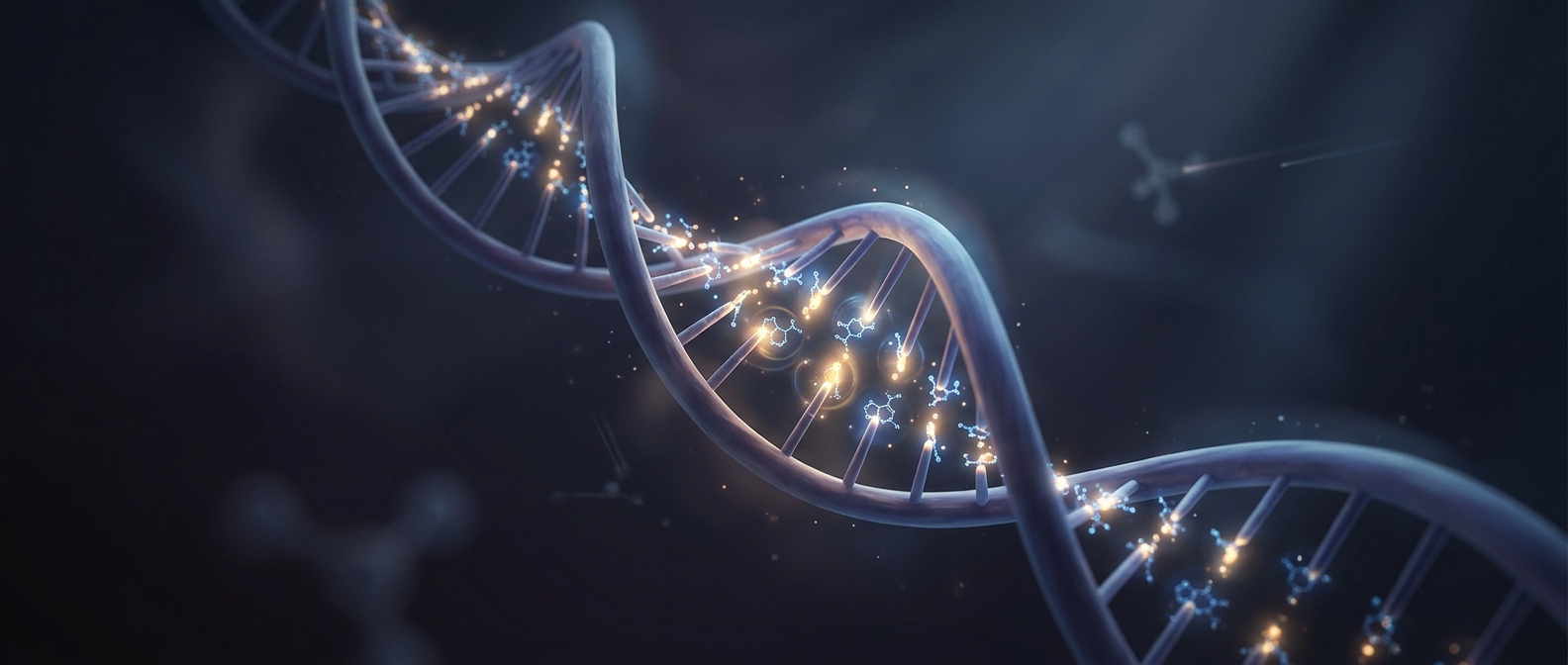
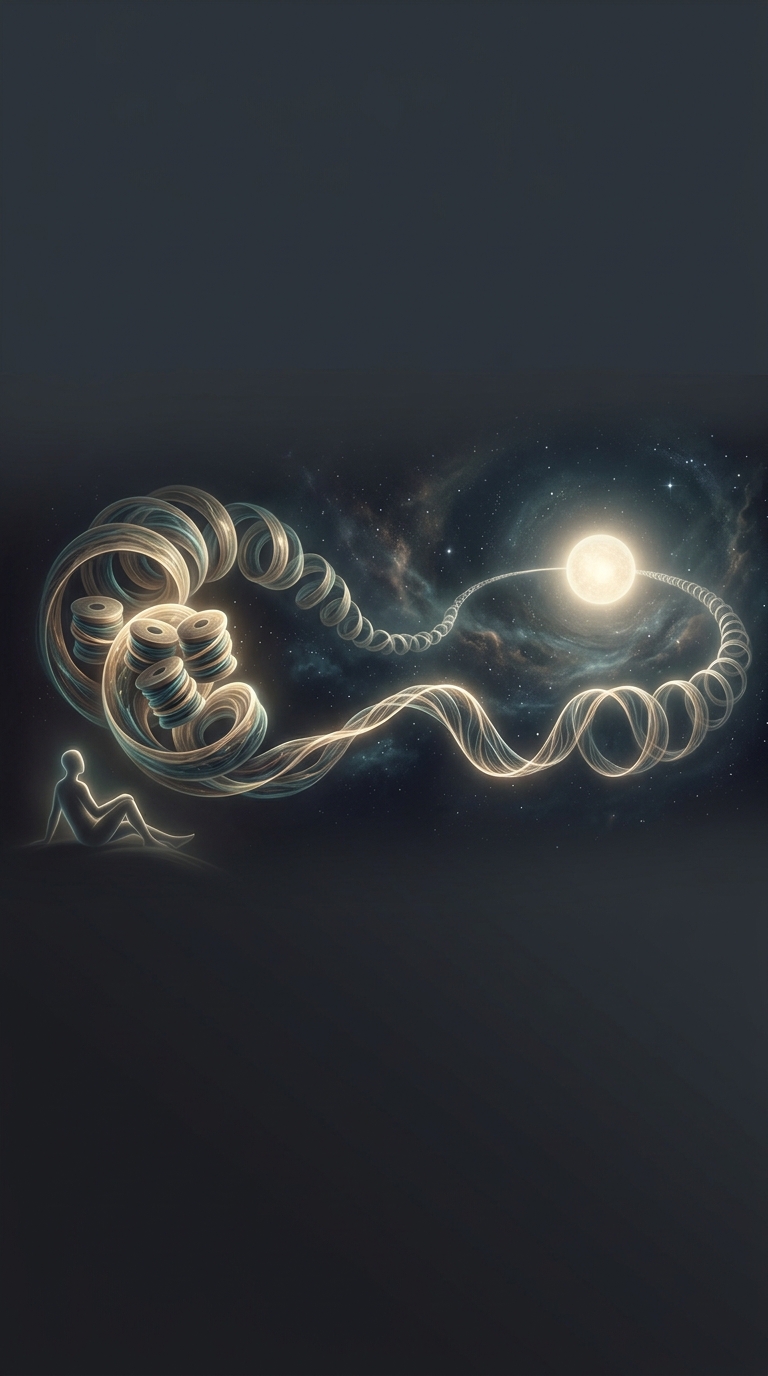
DNA wraps around proteins called histones, forming bead-like units along the strand. These units fold and arrange into larger structures, which are further organized inside the nucleus. The arrangement compresses a very long molecule into microscopic space without turning it into an unusable knot.
That organization matters because cells regularly need to reach specific genes. When a section of DNA must be read, the surrounding packaging can loosen enough for the cell’s machinery to access it. When the cell copies its DNA before dividing, the molecule must also be carefully handled and duplicated. Packaging is therefore both storage and a way of managing access.
A body-wide length, not one giant strand
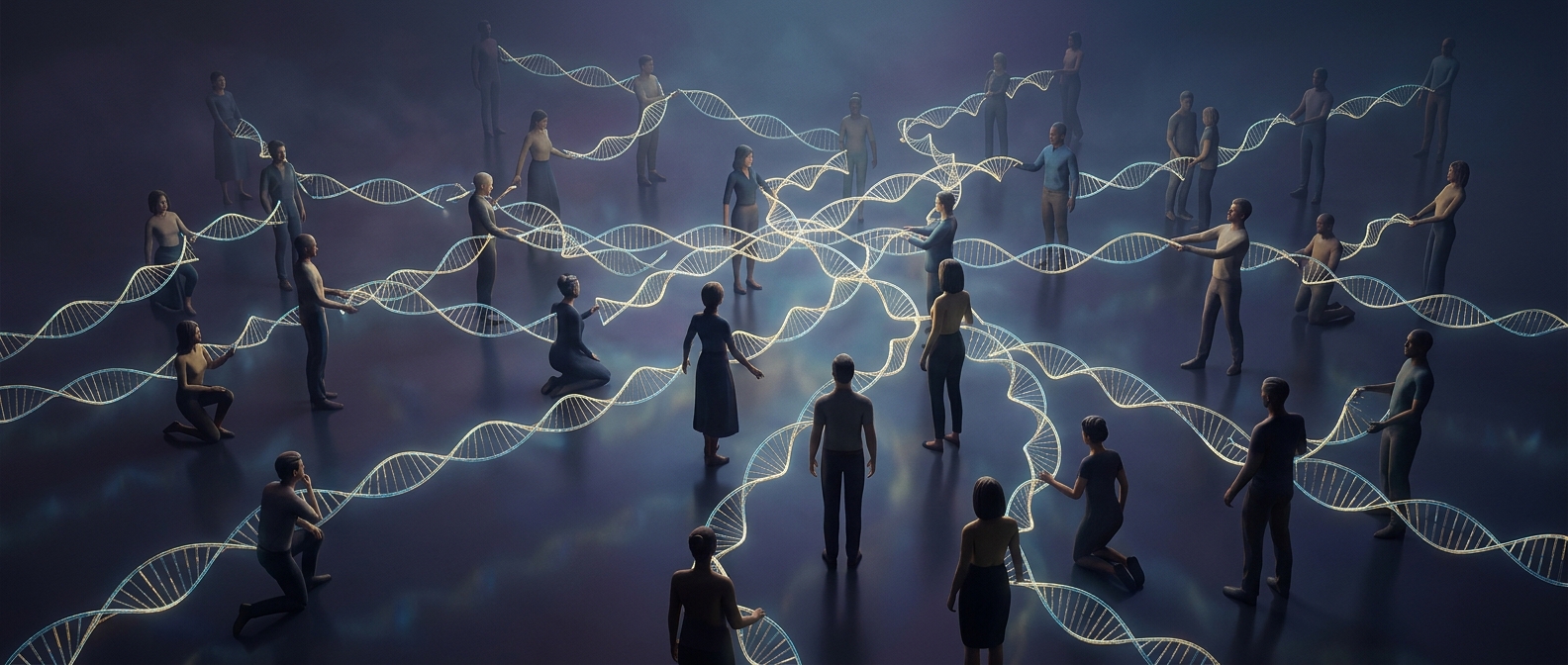
The enormous total length comes from adding up DNA distributed across the body’s cells. It is not one continuous strand coiled inside a person, and not every cell contains a complete, identical set: mature red blood cells, for example, lack nuclei. The estimate also depends on assumptions about how many cells are counted and how much DNA each contains.
Even with those qualifications, the scale is striking. The DNA in each cell is organized locally, and the lengths from trillions of cells add up across the body. Histones make that biological bookkeeping possible: they help fit the instructions into nuclei while keeping the right stretches available for the work of living cells.