How a developing blood cell makes room for oxygen
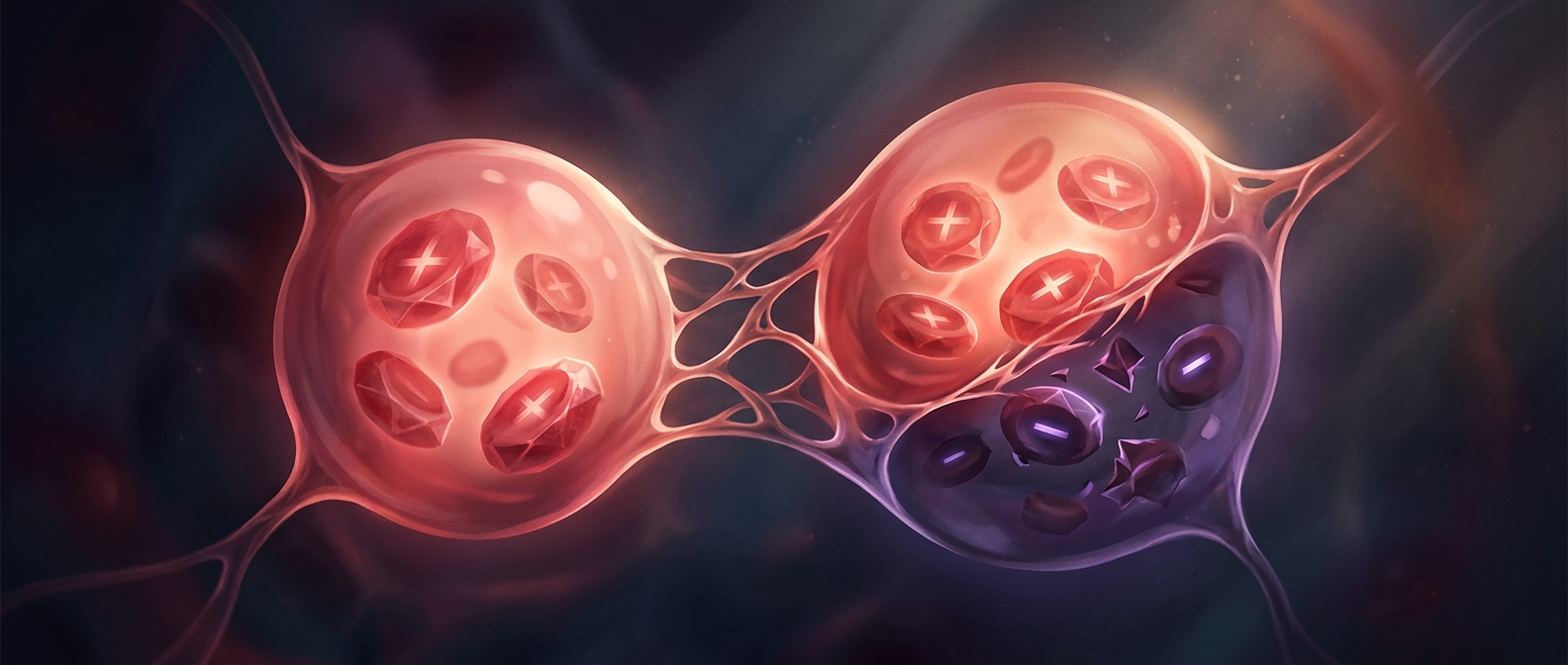
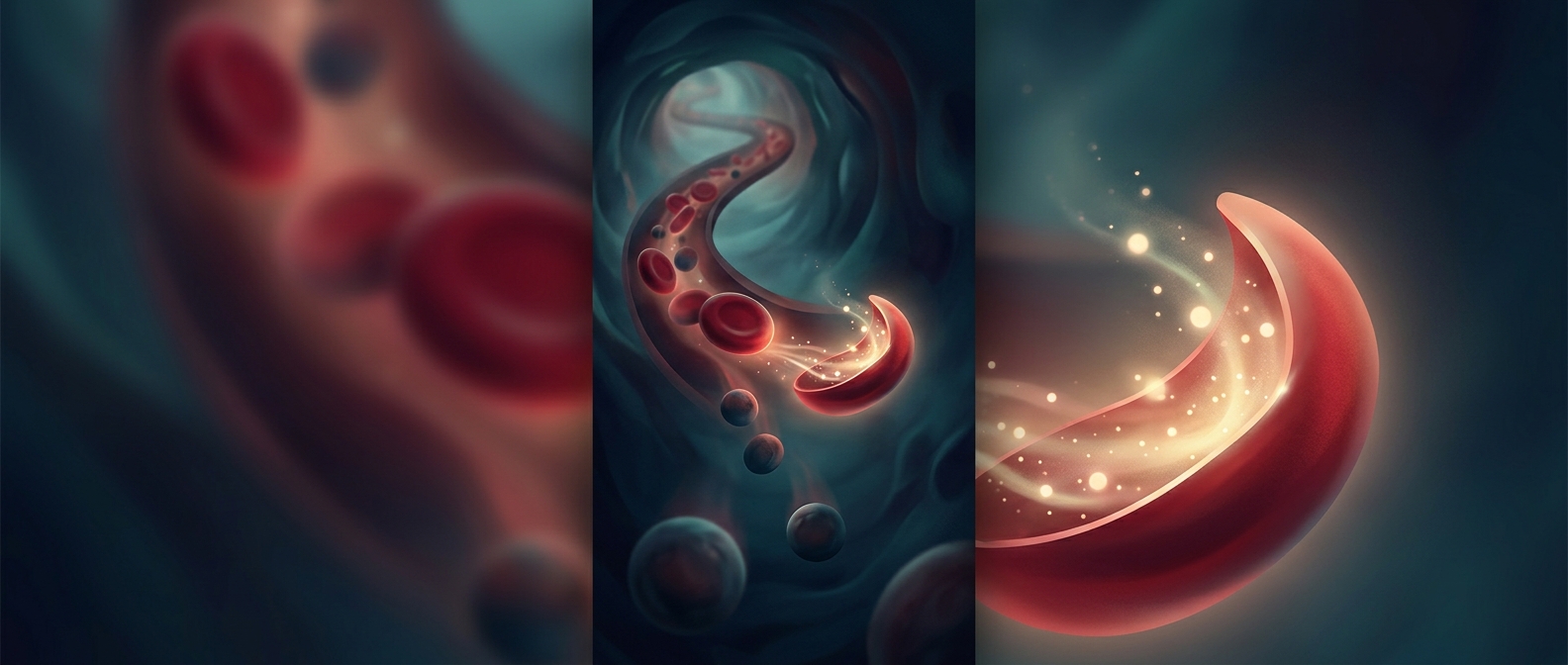
A red blood cell does not begin life as a hollow oxygen carrier. It develops in the bone marrow, where an immature cell builds up hemoglobin—the protein that binds oxygen—while gradually changing its shape and internal machinery. Near the end of this process, it pushes out its nucleus. The expelled nucleus is cleared away by nearby marrow cells; the young red cell, now called a reticulocyte, enters the bloodstream and finishes maturing there.
Losing the nucleus is part of a broader specialization. Mature red blood cells also lack mitochondria, the structures that many cells use to generate energy. Instead, they get energy from a process that does not consume oxygen, so they do not use up the cargo they are transporting.
A flexible carrier with a limited service life
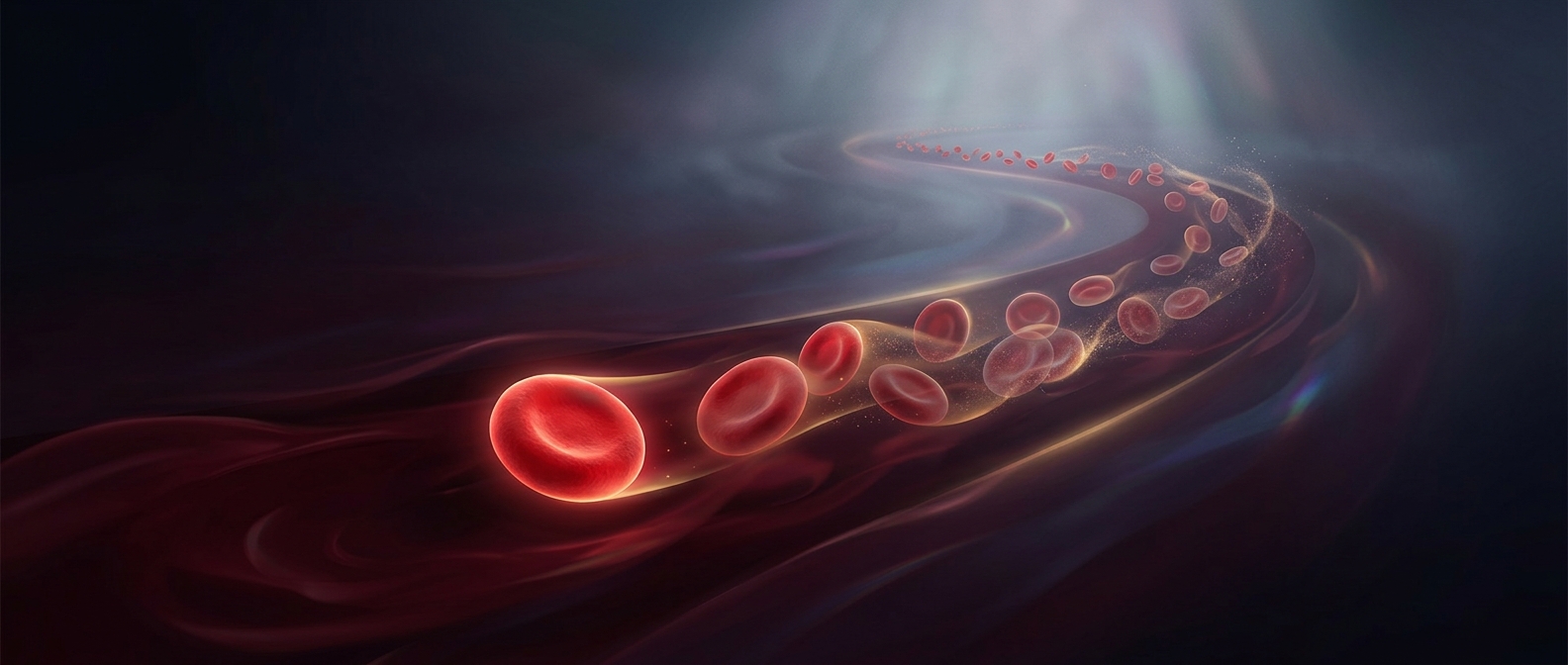
The resulting cell is shaped like a flattened disc with a shallow dip on each side. That form gives it a large surface relative to its volume, helping gases move across its membrane, and lets it bend through capillaries narrower than the cell itself. Hemoglobin can load oxygen in the lungs and release it in tissues where it is needed.
But the same specialization leaves the mature cell with little ability to replace damaged parts or make new proteins. As wear accumulates, older red cells become less effective and are removed from circulation, especially by the spleen. The marrow continually makes replacements. The nucleus is sacrificed during development so the finished cell can be a compact, flexible delivery vehicle—but that efficiency comes with a built-in limit on how long it can keep working.