Why a bruise shifts from dark to green and yellow
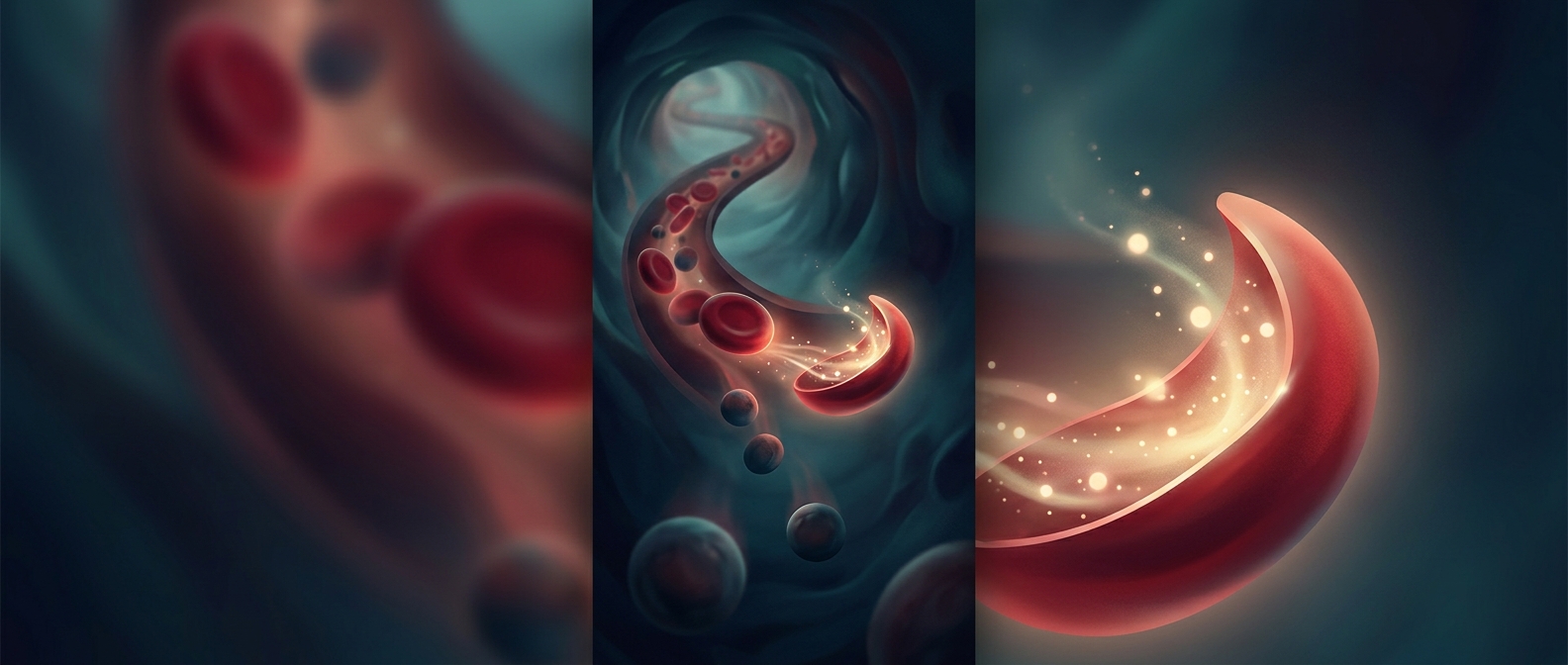
A bruise is blood that has escaped from tiny damaged vessels and become trapped in the tissue under the skin. At first, the blood’s hemoglobin—the oxygen-carrying molecule inside red blood cells—gives the area a red, purple, or blue appearance. The exact shade depends partly on how deep the blood sits and how it shows through the skin.
The body dismantles the trapped blood
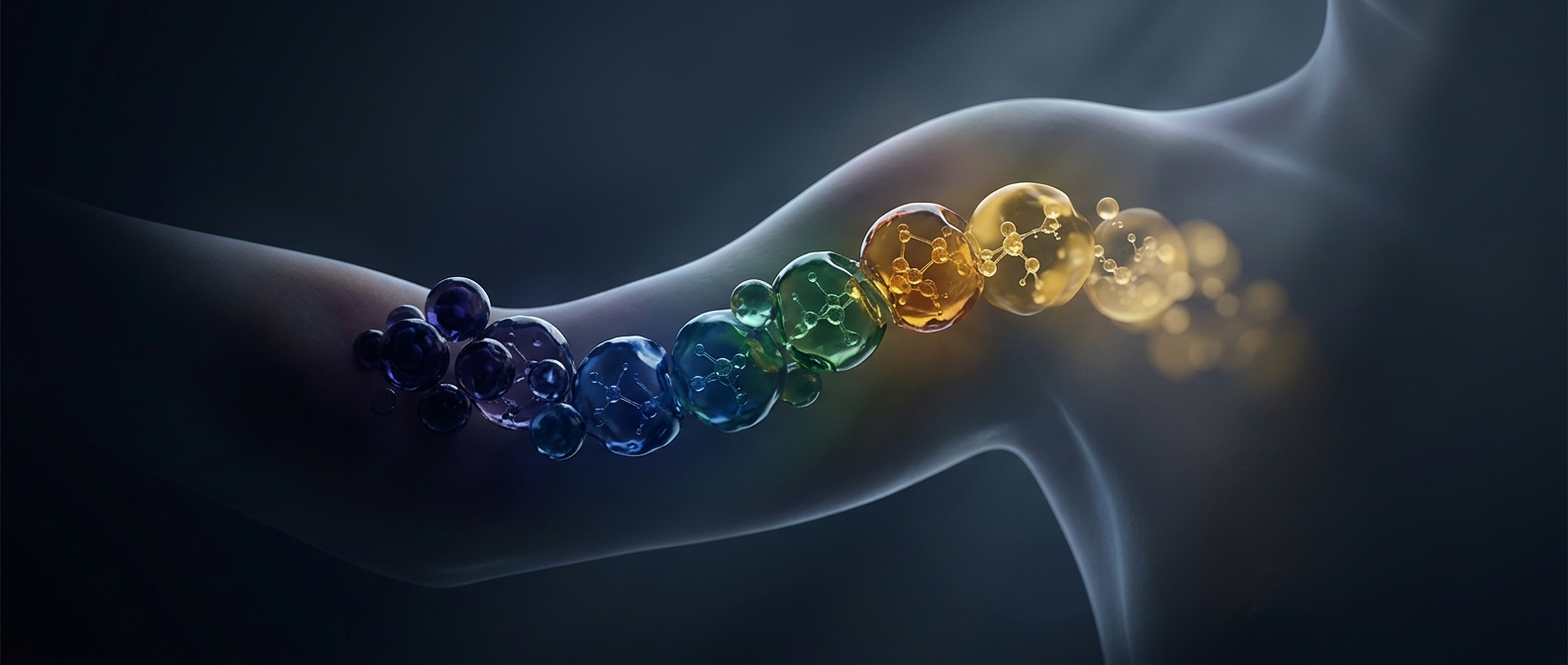
Immune cells gradually collect and break down the escaped red blood cells. As hemoglobin is dismantled, it becomes several pigments. One, biliverdin, can give a bruise a green tint; further breakdown produces bilirubin, which is yellow. Other pigments and the remaining blood can contribute brownish shades.
These colors are not paint-like layers appearing in a fixed order. They reflect a changing mixture of blood products while the body clears them, and the visible pattern can vary with the bruise’s depth, size, and location. A bruise may show several shades at once, or skip a noticeable green stage altogether.
Why the color is only a rough clock
Color can suggest that a bruise is changing as it heals, but it cannot reliably tell exactly when the injury happened. The cleanup proceeds at different rates in different people and tissues, and a deep bruise may look different from a superficial one. As the pigments are removed and the tissue recovers, the discoloration gradually fades—often unevenly rather than in a neat sequence.