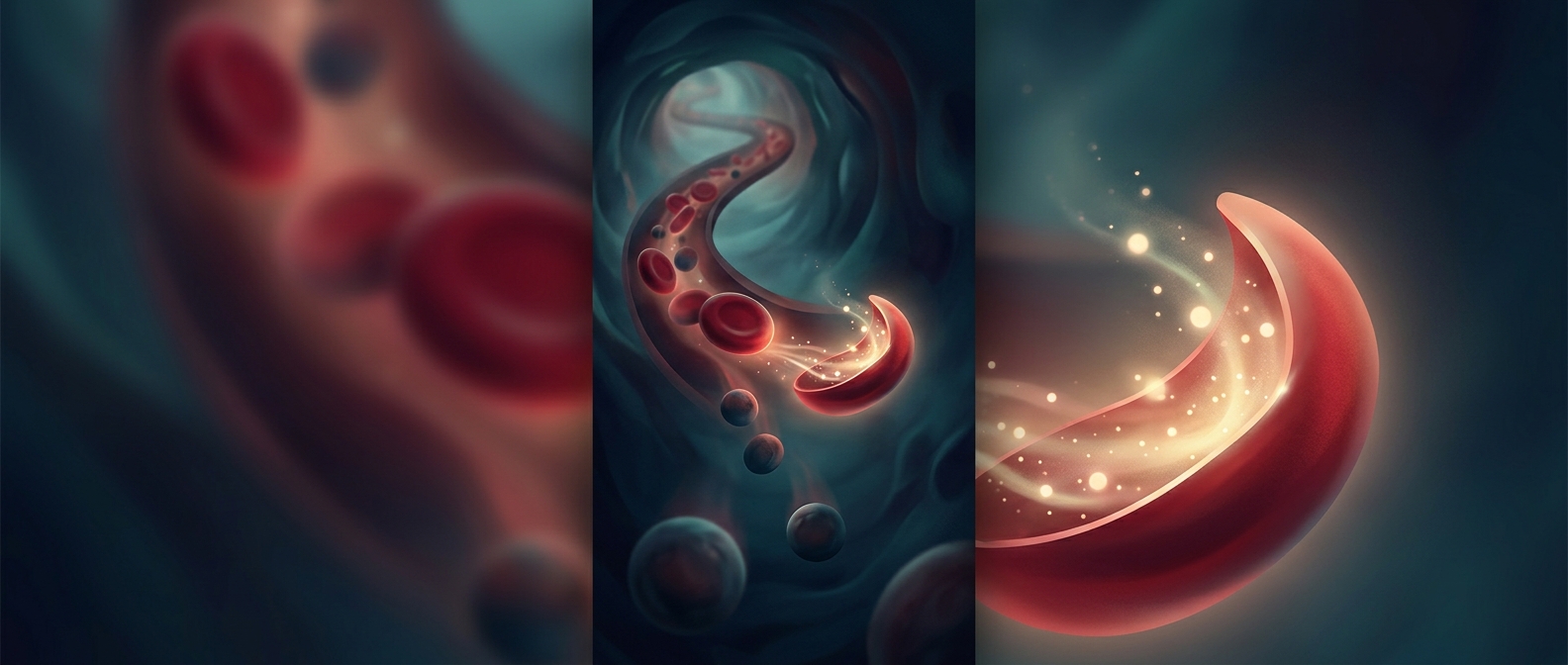
Why Red Blood Cells Have a Limited Working Life
A red blood cell’s job is to carry oxygen from the lungs to tissues and bring some carbon dioxide back. To do it, the cell repeatedly bends through capillaries—vessels so narrow that cells may have to fold or squeeze through one at a time. A flexible, disc-shaped structure helps it make those trips, but the cell cannot repair itself well as it wears down.
The Spleen Acts as a Quality Check
As a red blood cell ages, its membrane becomes less supple. The spleen, an organ that filters blood, provides a kind of mechanical checkpoint: cells that can no longer bend easily are held back and removed by immune cells. This prevents worn-out cells from continuing to circulate where they could obstruct tiny vessels.
The process is gradual, not a switch that flips on a cell’s 120th day. Blood contains cells of different ages, so old ones are continually removed while the bone marrow produces new ones.
What Happens to the Cell’s Iron
Removal does not mean every useful part is wasted. The cell’s hemoglobin—the oxygen-carrying protein—contains iron. After the cell is broken down, much of that iron is recovered and sent back for reuse, including in the production of new red blood cells. Other components are processed or disposed of.
That recycling links the end of one cell’s working life to the start of another: the same iron can help a newly made cell begin carrying oxygen through the body.