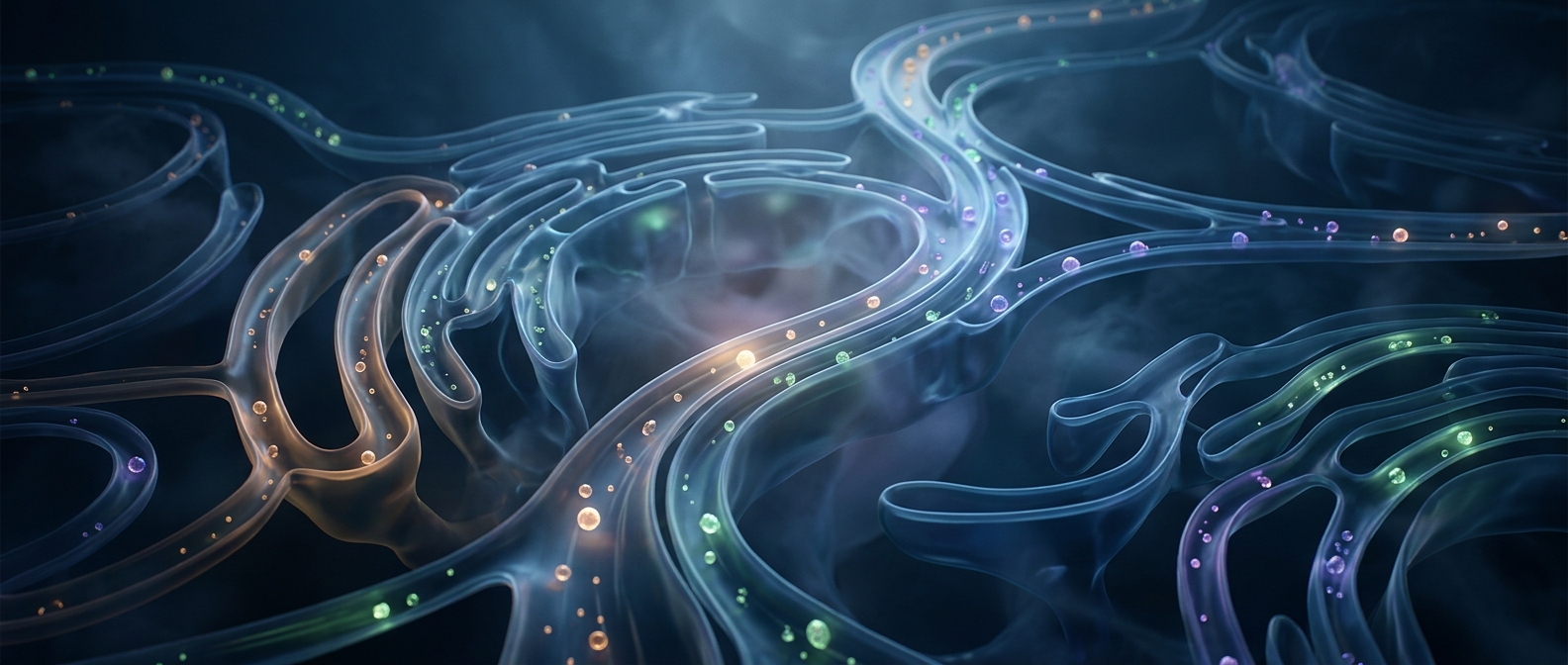
How the Endoplasmic Reticulum Routes New Proteins
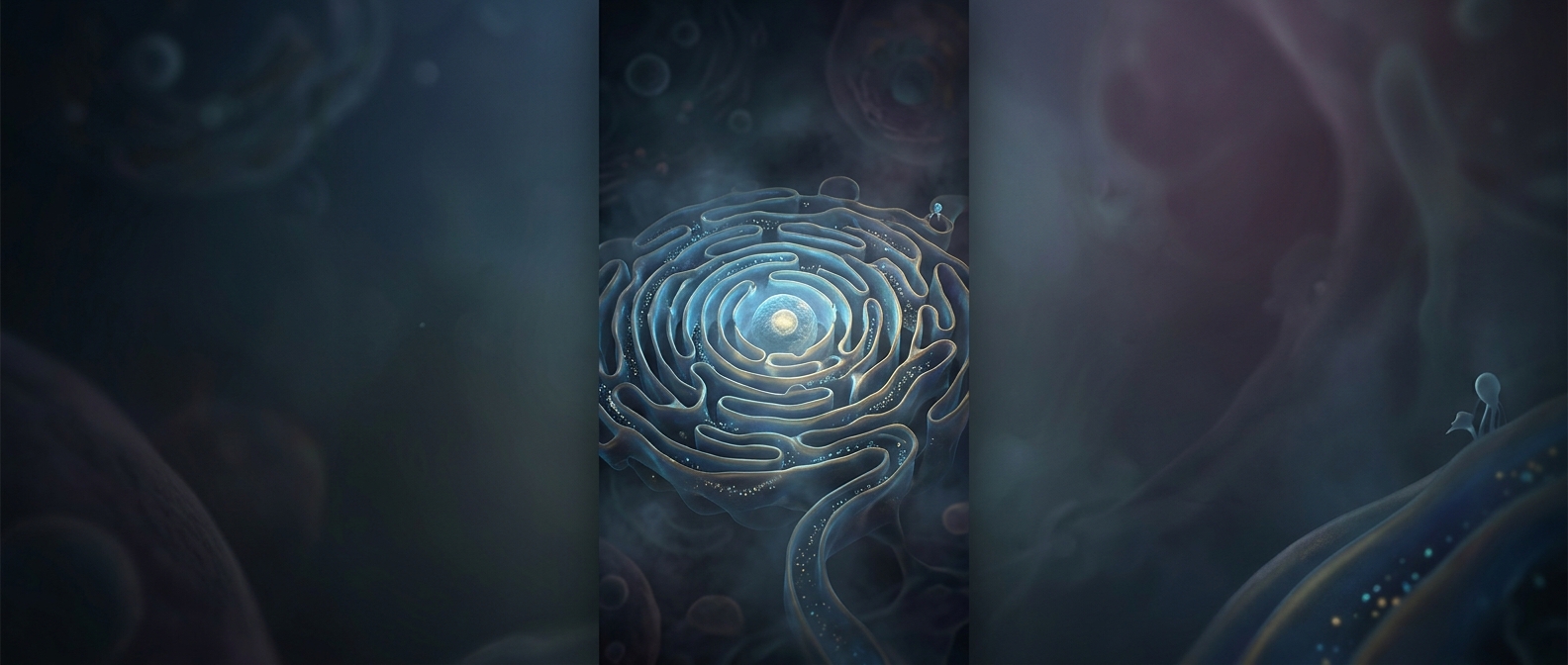
A protein’s destination often begins to shape it while it is still being made. Ribosomes—molecular machines that assemble proteins—can attach to the rough endoplasmic reticulum, the part of this membrane network dotted with ribosomes. As a protein is built, it passes into the membrane or into the ER’s interior, where it can begin folding into its working shape.
Folding, Checking, and Repacking
Inside the ER, helper molecules assist some proteins as they fold. The cell also checks whether they are shaped well enough to move on. Proteins that fail these checks may be held for further processing or broken down, rather than sent onward in a form that could cause trouble.
Proteins that pass are packaged into small membrane bubbles called vesicles. These bud from the ER and carry their cargo to the Golgi apparatus, a compartment that further modifies and sorts many proteins before they reach destinations such as the cell surface or other compartments. Some proteins become part of membranes along the way; others travel inside the vesicles.
A Route Built Into the Cell
The ER is therefore less like an open road and more like a connected production and dispatch area. Its membranes let the cell keep newly made proteins in a controlled environment while they fold and get prepared for delivery. The key handoff is from the ER to transport vesicles, which carry proteins to the next stop rather than letting them drift through the cell at random.