How Cells Contain Oxidative Damage
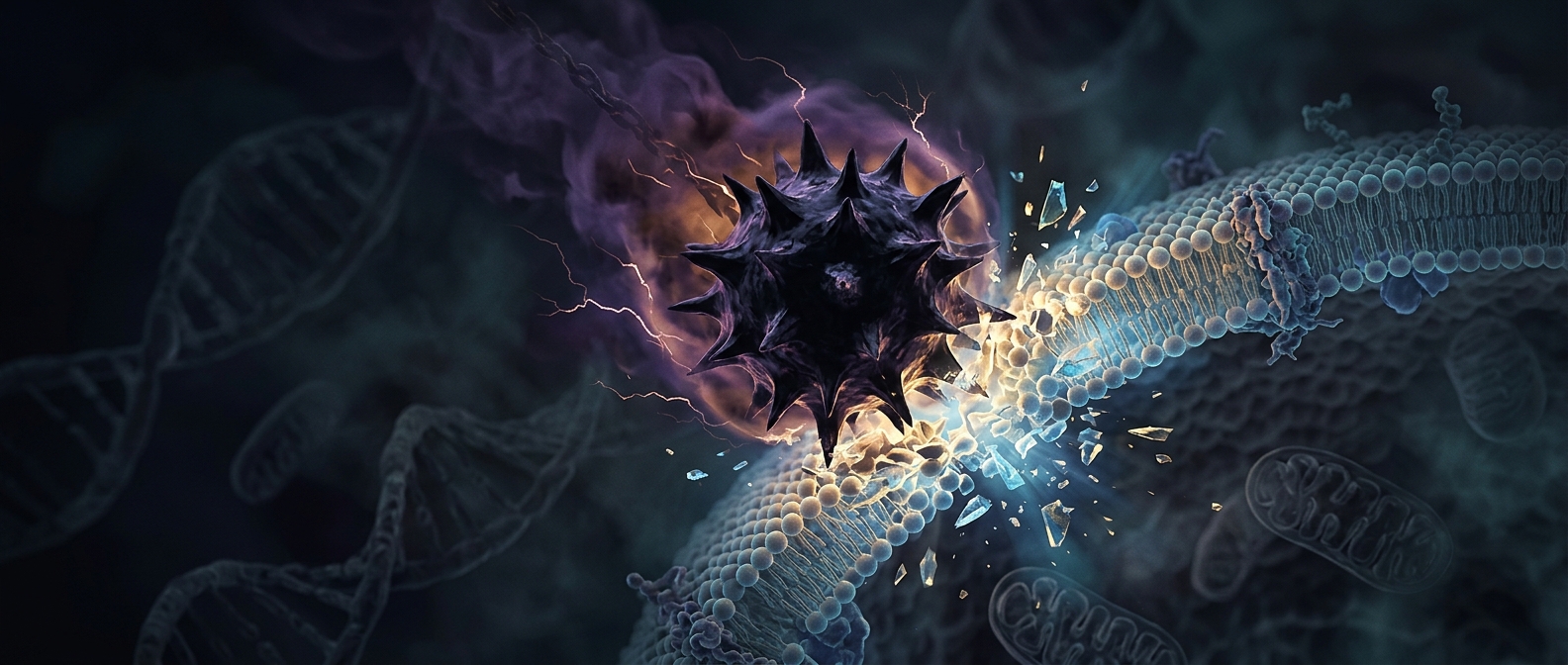
A free radical is a molecule or atom with an unpaired electron. That makes it chemically eager to react: it may take an electron from a nearby molecule, altering that molecule and sometimes setting off further reactions. In cells, the vulnerable targets include fats in cell membranes, proteins that do much of the cell’s work, and DNA, which stores genetic instructions.
The danger depends on where and how much of this chemistry occurs. A reaction in a membrane can disrupt the fatty layer that separates a cell from its surroundings; damage to a protein can change its shape and function. Cells can repair or replace many damaged components, but sustained or extensive oxidative damage can outpace those defenses.
Antioxidants Interrupt the Chain
Cells limit the spread with antioxidant defenses. Some antioxidant molecules can donate an electron to a reactive species in a way that makes the resulting molecule relatively stable, reducing the chance that it will attack another target. Enzymes—proteins that speed up specific chemical reactions—also convert certain reactive compounds into less harmful forms.
This is not a simple contest in which every free radical is bad and every antioxidant is good. Cells produce reactive molecules during ordinary metabolism, and some also serve as signals or help immune cells attack microbes. The useful goal is control, not elimination: keep reactive chemistry in the right place and prevent it from overwhelming repair and protective systems.
That balance helps explain why oxidative stress—a condition in which reactive molecules exceed the body’s ability to manage their effects—is discussed in health research. The term describes an imbalance, not a single disease or a direct diagnosis; its consequences depend on which cells and molecules are affected.