How skin builds a pigment buffer
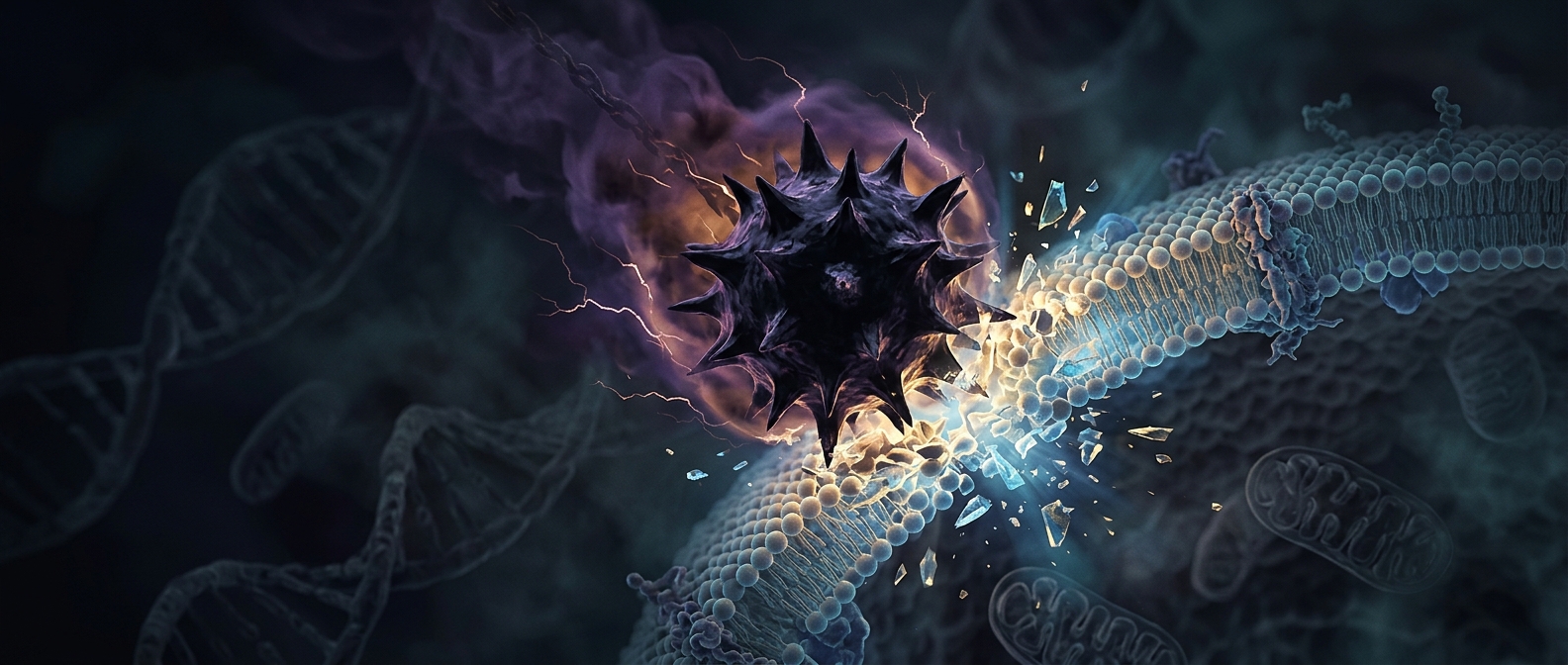
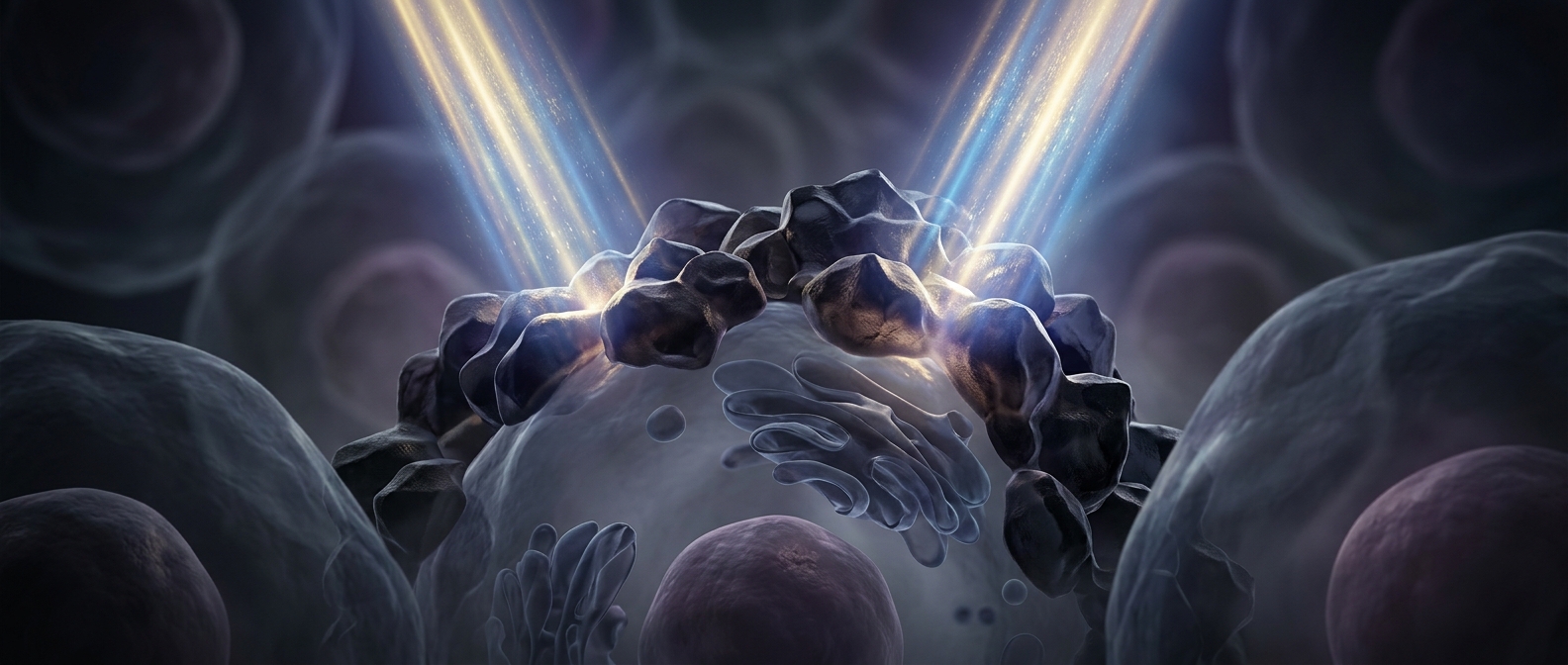
When ultraviolet (UV) light reaches skin, pigment-making cells called melanocytes respond by producing more melanin. They pass tiny packages of this pigment to nearby skin cells, where melanin gathers around the cells’ nuclei—the compartments that hold DNA. This placement helps intercept some UV before it can strike the genetic material directly.
Melanin absorbs UV energy and disperses some of it as heat; it also scatters some incoming light. The result is a biological buffer, not a barrier. How much protection it provides varies with the amount and type of melanin, and UV can still reach cells and cause damage.
A tan is a response, not proof of safety
The visible darkening caused by newly made pigment generally develops over days, so it cannot shield skin from the exposure that triggered it. Even after the skin darkens, the added protection is limited. A tan therefore signals that the skin has responded to UV, not that it has become immune to further exposure.
That distinction matters because UV damage can accumulate without an obvious burn. Skin’s pigment response can reduce some of the light reaching vulnerable cell structures, but it does not erase damage already done or make continued exposure harmless.