How brown fat turns fuel into heat
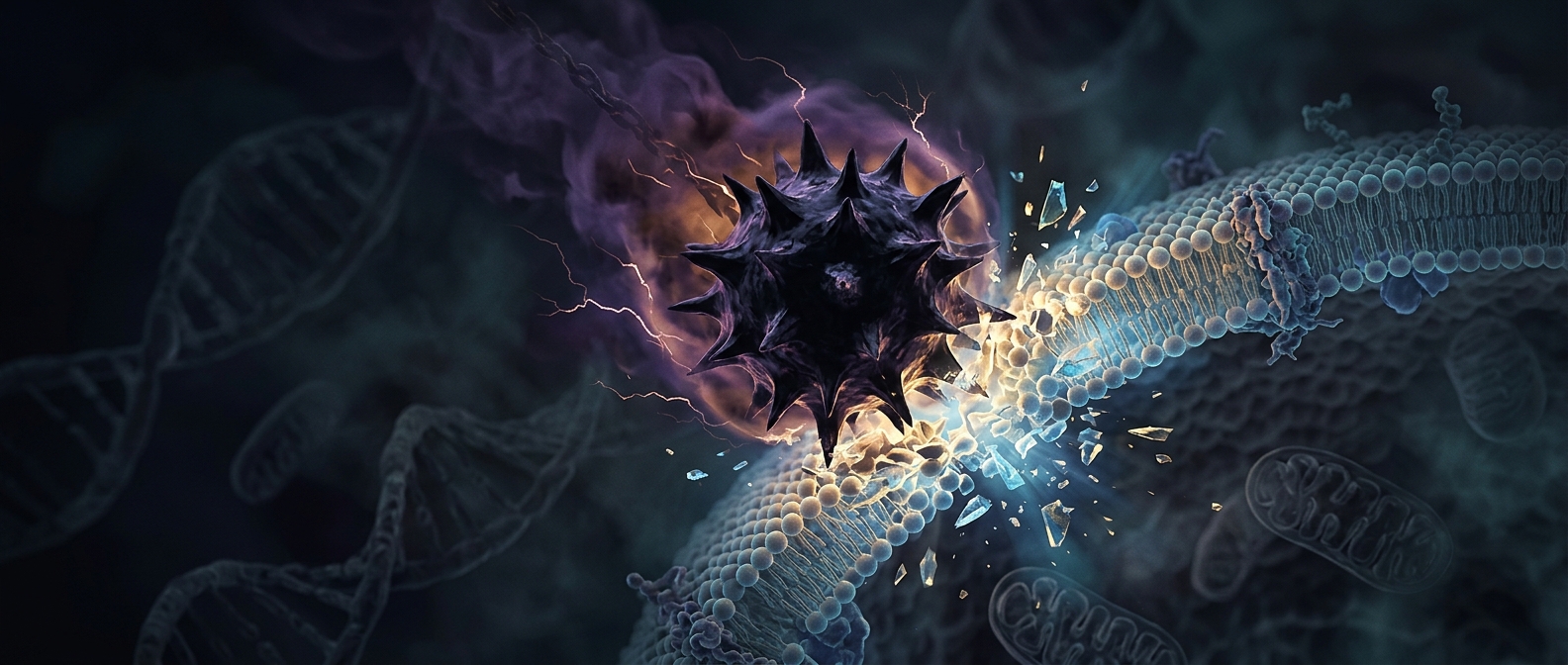
Most cells extract usable energy from food by building a chemical energy gradient across the inner membrane of mitochondria, the structures that power cells. Brown fat has a protein called UCP1 that lets this gradient leak away. Instead of capturing much of the energy for ordinary cellular work, the mitochondria release it as heat.
That heat-making machinery is why brown fat looks brown: its cells contain many mitochondria, along with a rich supply of small blood vessels. The blood brings fuel to the tissue and carries the warmth away to the rest of the body.
Cold switches the heater on
When the body senses cold, the nervous system sends signals that prompt brown-fat cells to break down stored fat. Fatty acids both supply fuel and help activate UCP1. The cells can also take up glucose from the blood. In this way, brown fat helps add heat without requiring the body to rely only on shivering, which warms muscles through repeated contractions.
Brown fat is especially important in newborns, who have limited ability to shiver. Adults retain some brown fat, though the amount and activity vary from person to person. In adults, it is often found in small patches around the neck and collarbones and near the spine.
A specialized use of stored energy
The process is useful precisely because it is inefficient by the usual standards of energy production: brown fat burns fuel to keep the body warm rather than turning as much of it into energy that cells can spend elsewhere. That makes it a heat-producing tissue, not simply a spare fuel tank. Its role is clearest in the cold, when a small, highly active patch of tissue can convert circulating fuel into warmth close to the blood supply.