How heat scrambles a protein
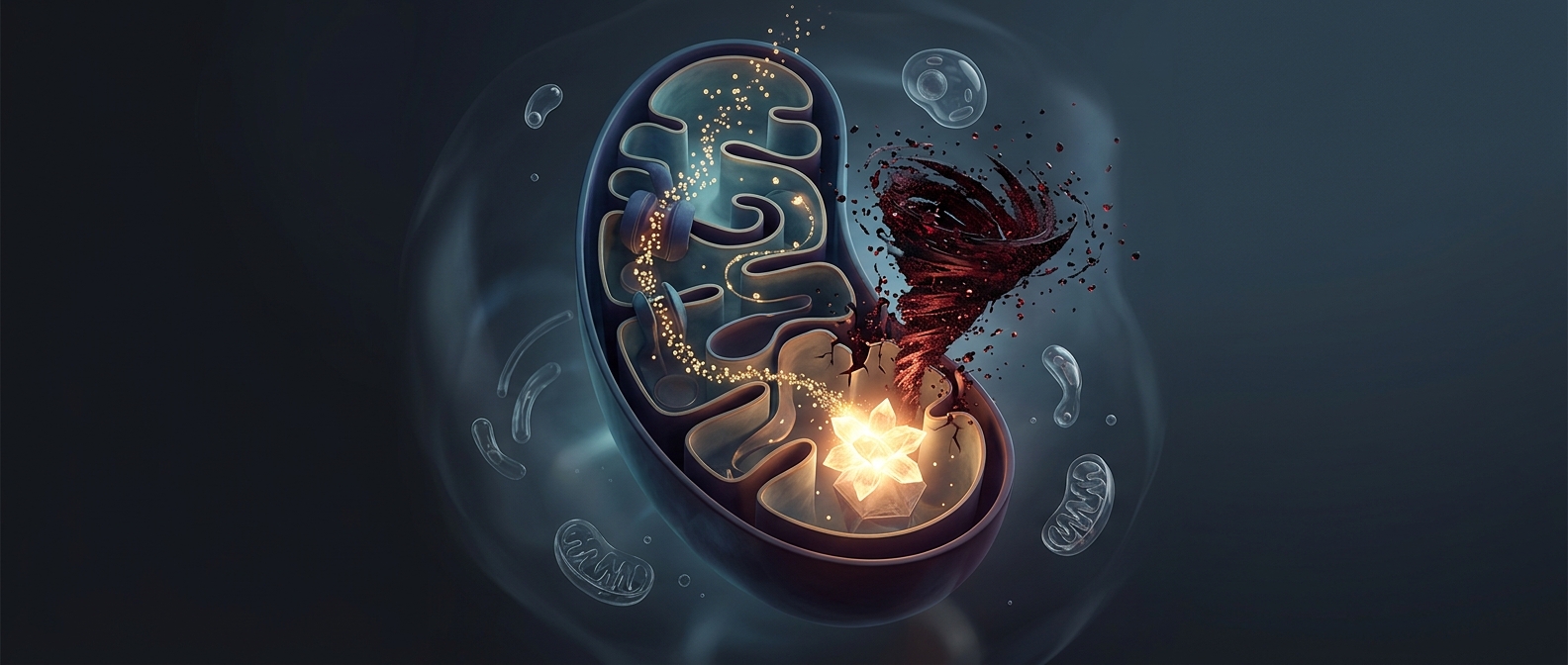
A protein works because its chain of molecules folds into a precise three-dimensional shape. Heat can loosen that shape, exposing surfaces that are normally tucked inside. Those exposed patches can stick to other unfolded proteins, forming clumps that interfere with the cell’s machinery.
A guided attempt to restore function
Heat shock proteins are molecular chaperones: they help other proteins fold without becoming part of the finished structure. Some bind to exposed regions on a damaged protein, shielding it from clumping while the cell gives it another chance to fold correctly. Chaperones such as Hsp70 use energy from ATP—the cell’s reusable energy-carrying molecule—to cycle between holding and releasing their clients.
This is not a universal fix. A protein that has been badly damaged may be beyond recovery. In that case, cellular quality-control systems can direct it toward breakdown so its components can be reused, rather than letting it accumulate as a harmful clump.
Protection has limits
Heat stress can increase the cell’s production of these helpers, but their capacity is finite. If damage overwhelms the response, proteins remain misfolded or clumped and essential cellular processes can falter. The repair effort therefore depends not just on recognizing damage, but on whether a protein can still be coaxed back into a usable shape.