Why the heart’s motion stops moving blood
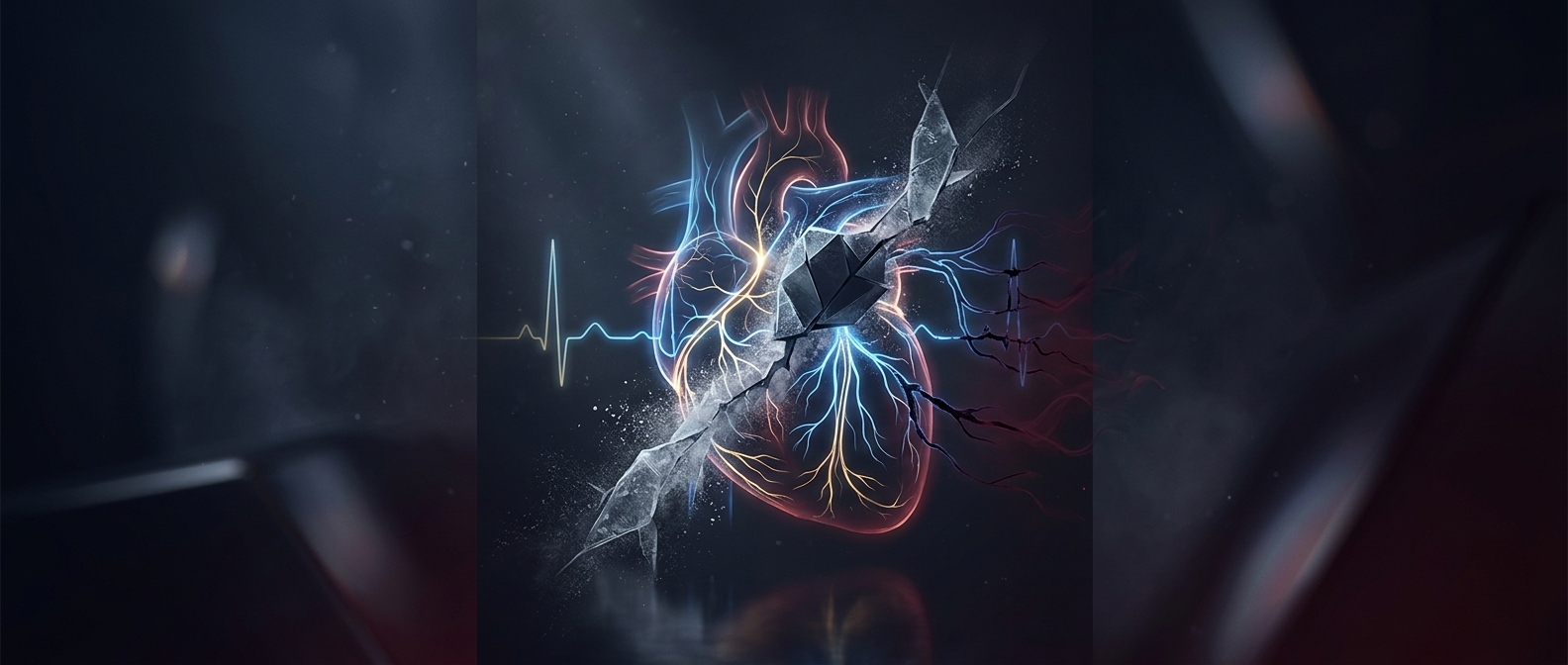
The ventricles are the heart’s two lower chambers, which normally squeeze blood toward the lungs and the rest of the body. They rely on electrical impulses spreading through heart muscle in a coordinated wave. In ventricular fibrillation, that coordination breaks down: many electrical signals circulate at once, so small patches of muscle contract at different times instead of producing one strong squeeze.
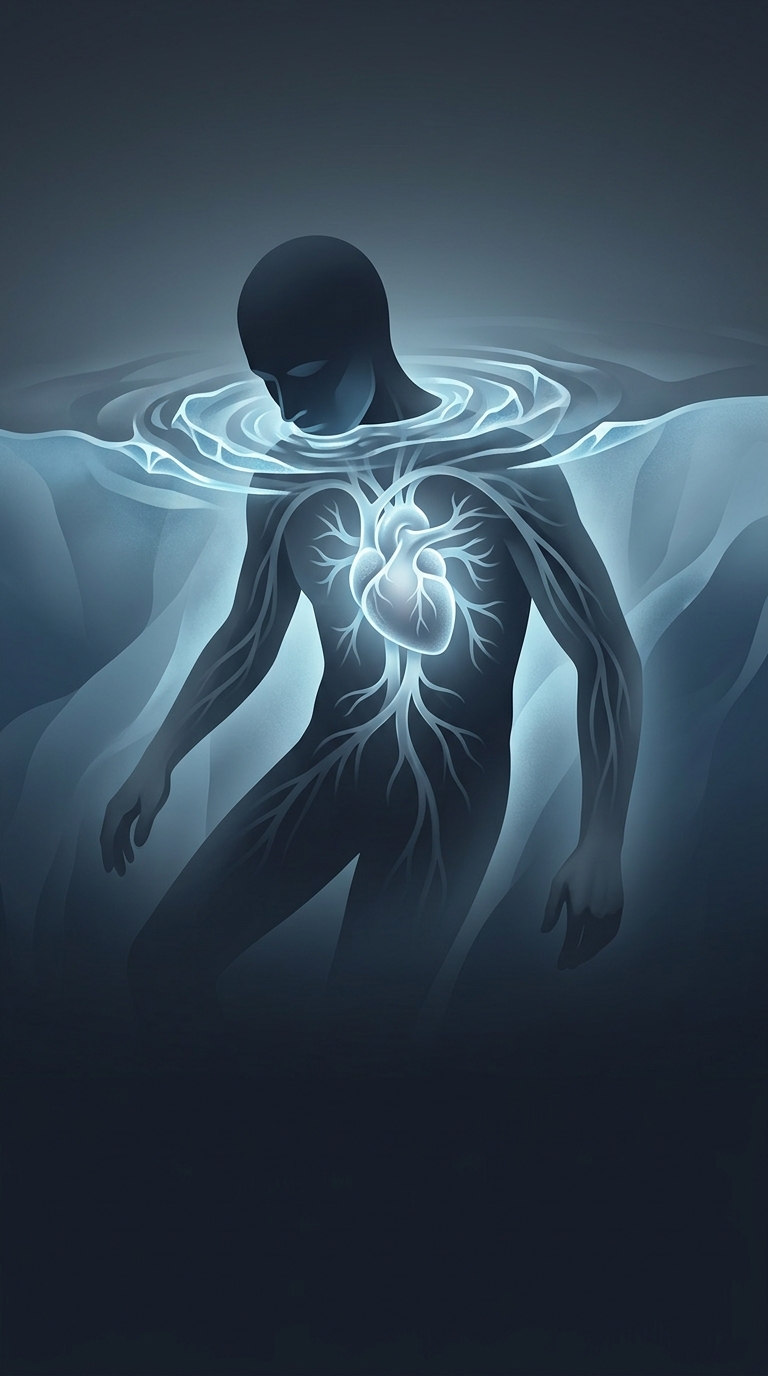
The result is not simply a fast heartbeat. The ventricles cannot push enough blood into the arteries, so the brain and other organs quickly lose their supply of oxygen. A person may collapse and stop responding; without prompt treatment, the lack of circulation can become fatal within minutes.
Why a shock can help
A defibrillator delivers an electric shock through the chest. The shock briefly interrupts the disordered electrical activity, giving the heart’s own electrical system a chance to re-establish an organized rhythm. It does not mechanically pump blood or guarantee recovery, but it can restore the conditions needed for effective pumping.
That is why time matters. Cardiopulmonary resuscitation (CPR)—pressing firmly and rapidly on the chest—can move some blood while help is on the way, but it does not replace defibrillation. CPR buys time; an automated external defibrillator (AED), when available, can deliver the shock that may stop the fibrillation.