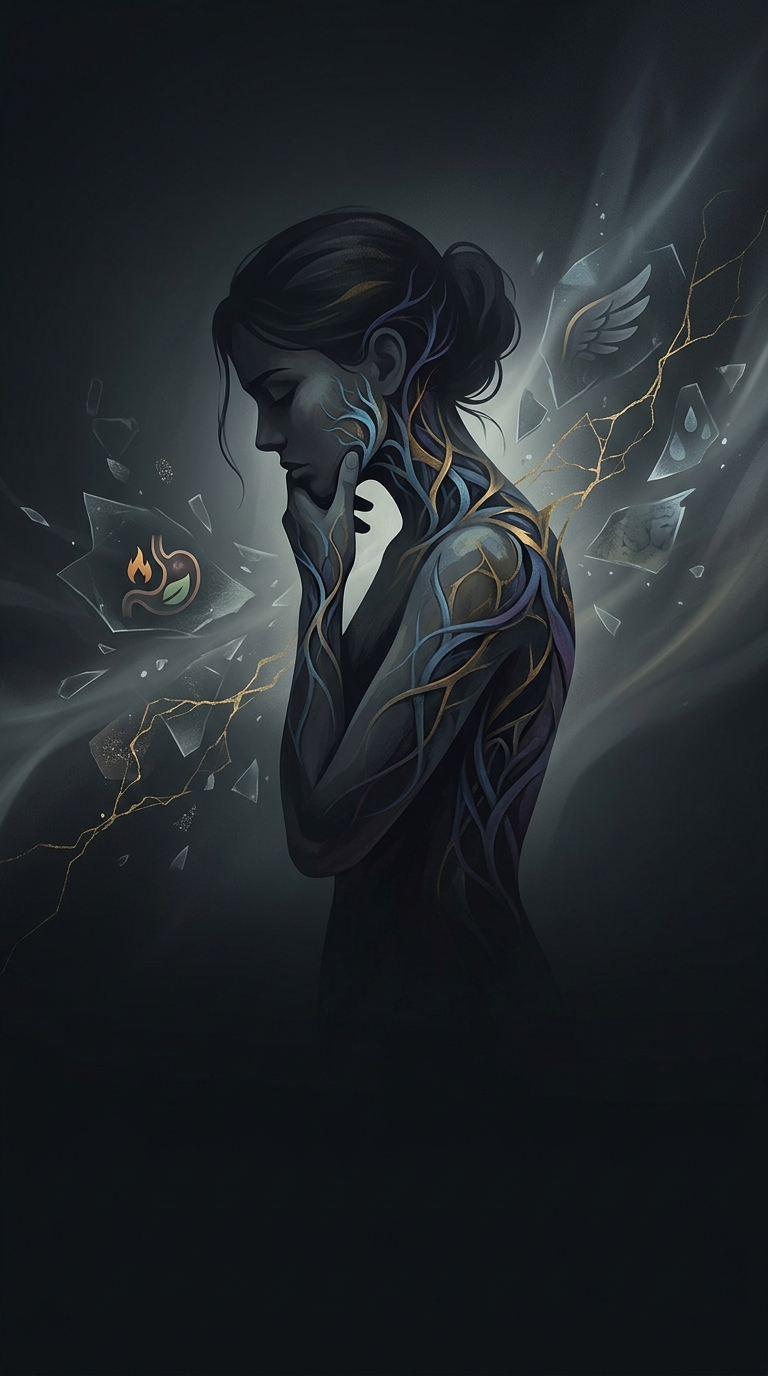
Why a Heart Attack May Not Feel Like Chest Pain
A heart attack happens when blood flow to part of the heart is blocked, depriving the heart muscle of oxygen. The familiar image of sudden, crushing chest pain is real for some people, but it is not the only way the body signals that something is wrong. Symptoms can differ from person to person, and women may have symptoms such as unusual fatigue, nausea, cold sweats, or pain in the jaw or upper back.
How the Signals Can Be Easy to Miss
Pain from the heart does not always register as a clear ache in the chest. The heart and other parts of the body share nerve pathways, so a problem in the heart can be felt elsewhere, including the jaw, back, shoulder, or arm. Nausea, sweating, and sudden weakness may accompany the pain—or stand out more than it does.
Fatigue is especially easy to dismiss because it can resemble the aftermath of a poor night’s sleep or a busy day. But when it is unusual, abrupt, or paired with other concerning symptoms, it may be part of a heart attack rather than ordinary tiredness. The absence of dramatic chest pain does not mean the heart is safe.
Why Recognizing the Pattern Matters
When symptoms do not match the movie version, someone may wait for them to pass or search for a less serious explanation. That delay can matter: the longer heart muscle goes without enough blood, the more damage it can sustain. A heart attack is an emergency even when its warning signs are subtle.
If symptoms suggest a heart attack, call emergency services rather than waiting to see whether they become more dramatic. The useful warning sign is not a particular performance of pain; it is a sudden, unusual change that could reflect a heart deprived of blood.