How a cold face changes the heartbeat
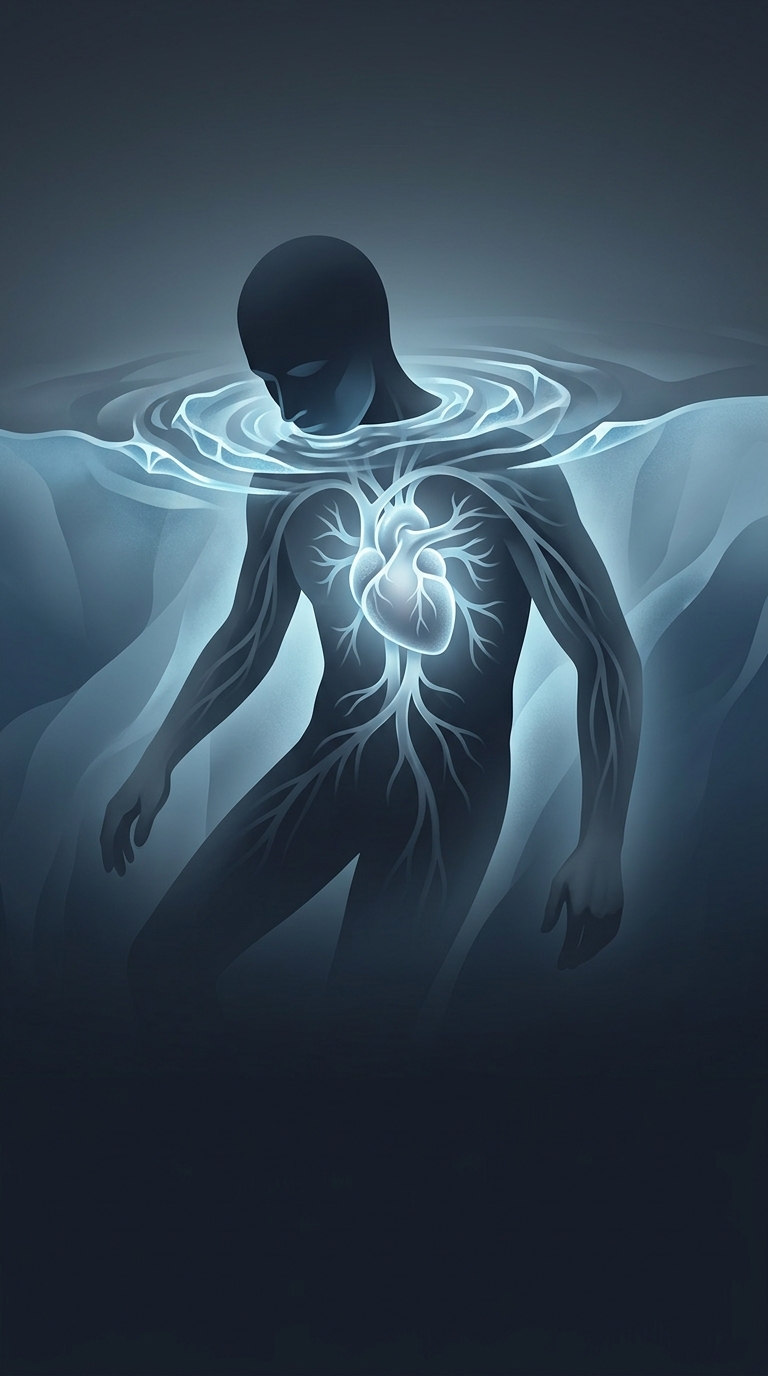
Cold-sensitive nerves in the face send signals through the trigeminal nerve to the brainstem, which coordinates automatic functions such as breathing and circulation. The brainstem responds by increasing signals carried by the vagus nerve, a major pathway that can slow the heart. At the same time, blood vessels in the limbs narrow, helping preserve circulation to the body’s core.
This coordinated response is the mammalian dive reflex. It can begin quickly, but its strength varies with the person and the conditions; it is not a precise switch that produces the same heart-rate change every time.
Why clinicians may use it
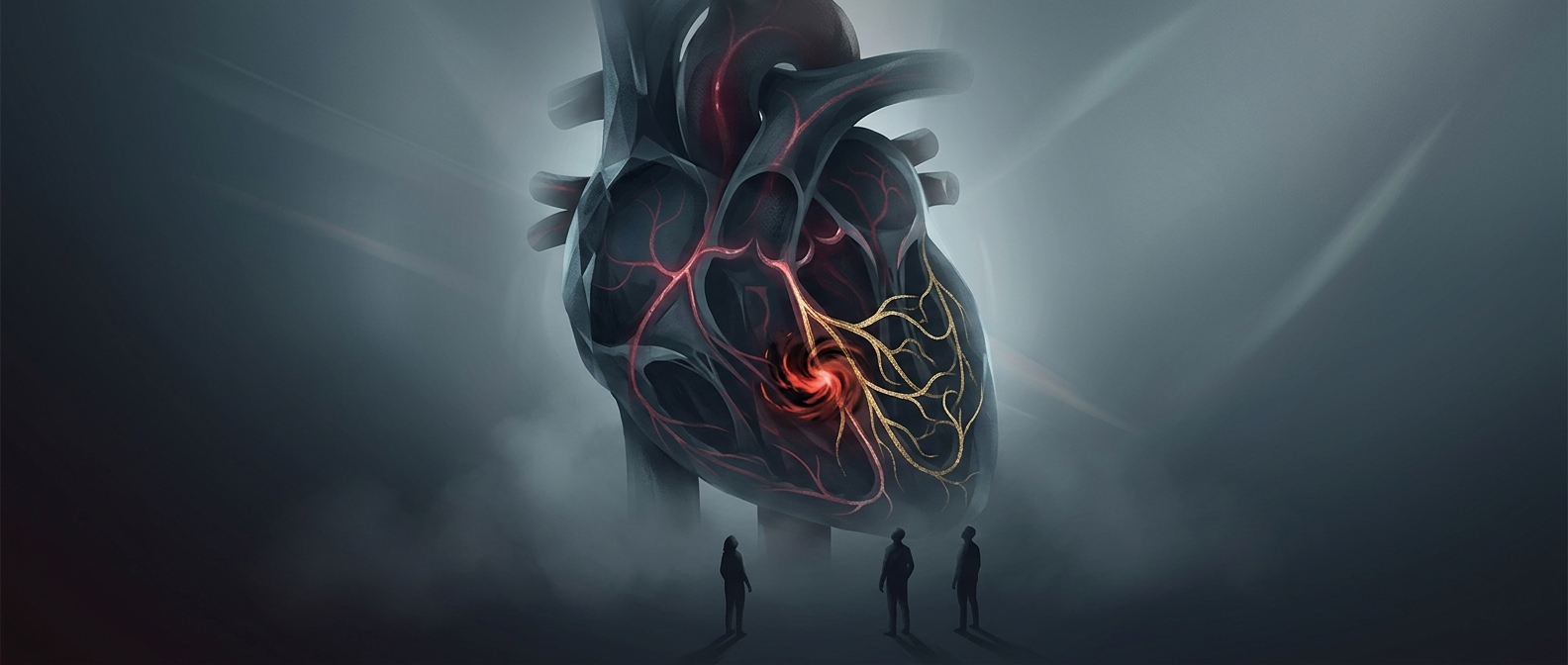
In some rapid heart rhythms that begin above the heart’s lower chambers, the electrical signal depends on passing through a small junction that the vagus nerve can influence. Strengthening vagal activity may slow conduction through that junction and, in certain cases, interrupt the looping signal that keeps the rhythm going.
That is why a clinician may use a cold stimulus to the face as a vagal maneuver—a physical technique intended to affect the heart’s electrical pathway. The aim is not simply to lower the pulse, but to help stop a particular rhythm. The reflex can help with some kinds of fast rhythm, not all of them.
A targeted, supervised response
Rapid heartbeats have different causes, and a maneuver that helps one rhythm may do little for another. Cold-water facial immersion is therefore a clinical technique, not a universal remedy for palpitations; clinicians choose an approach based on the rhythm and the person’s condition. The striking link is that a sensory signal from the face can reach the heart through the brain’s automatic control system—and, in the right circumstances, alter an electrical rhythm.