Why social disconnection can affect survival
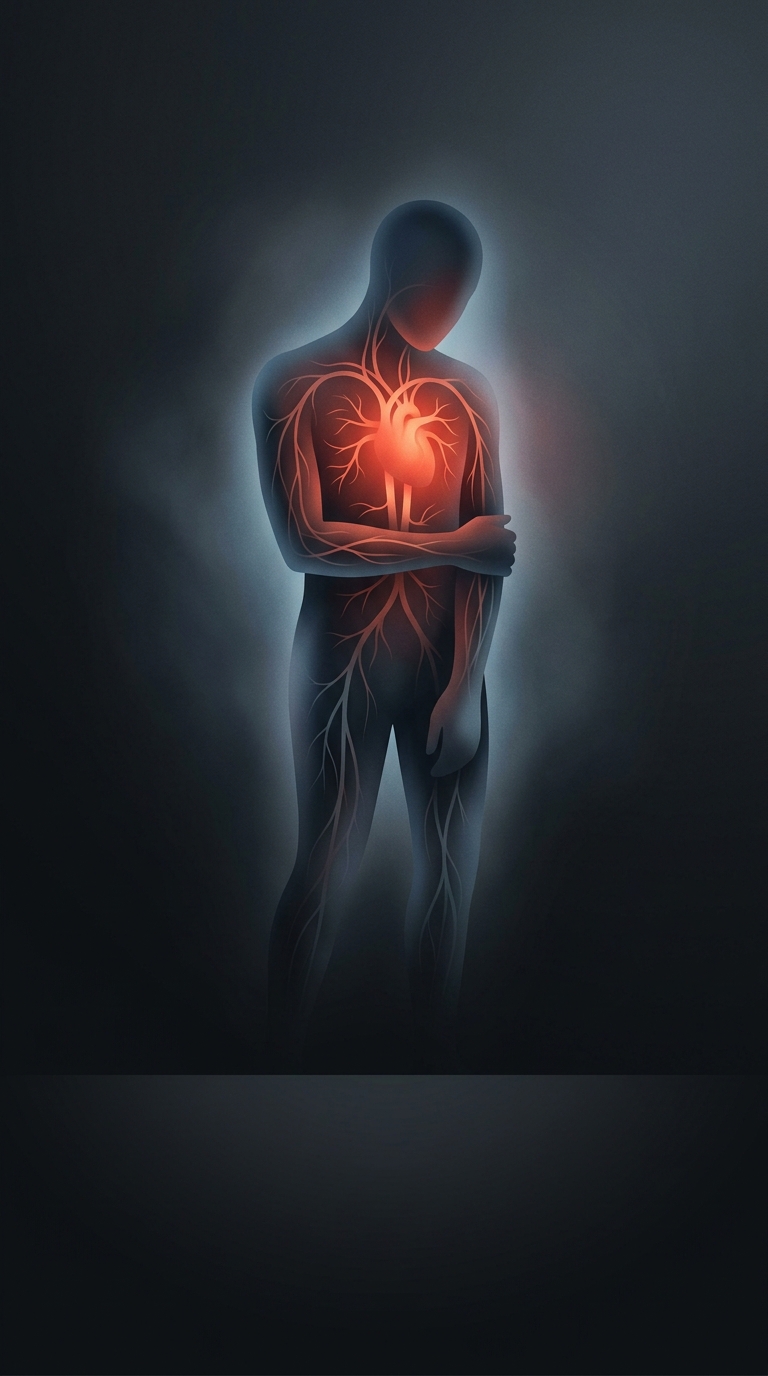
Loneliness is more than an unpleasant mood. When someone feels cut off from others for long periods, the strain can become part of daily life: there may be fewer people to notice a decline in health, encourage treatment, or help during a crisis. Persistent stress can also disrupt sleep and make it harder to maintain routines that support health.
Researchers often discuss loneliness alongside social isolation, which means having little contact or few social ties. They are related but not identical: a person can feel lonely in a crowded room, or have a small social circle without feeling lonely.
How the comparison with smoking works
Calling social disconnection “as deadly as smoking 15 cigarettes” is a way to convey the scale of its association with premature death. It does not mean that loneliness exposes the body to the same substances or causes the same harm in every person. Rather, across groups, people with weak social connections have higher health risks—partly through stress and health-related habits, and partly because practical support can make it easier to get care and manage illness.
The comparison is about risk at a population level, not a prediction that a lonely person will die early. It also does not mean that simply socializing can replace medical care or eliminate other risks.
Why the human connection matters
A dependable relationship can provide both emotional reassurance and concrete help: someone may notice a change, share a meal, or make it easier to keep an appointment. Those ordinary acts can shape health over time. Social connection is not just a comfort; it can be part of the support system that helps people stay well.