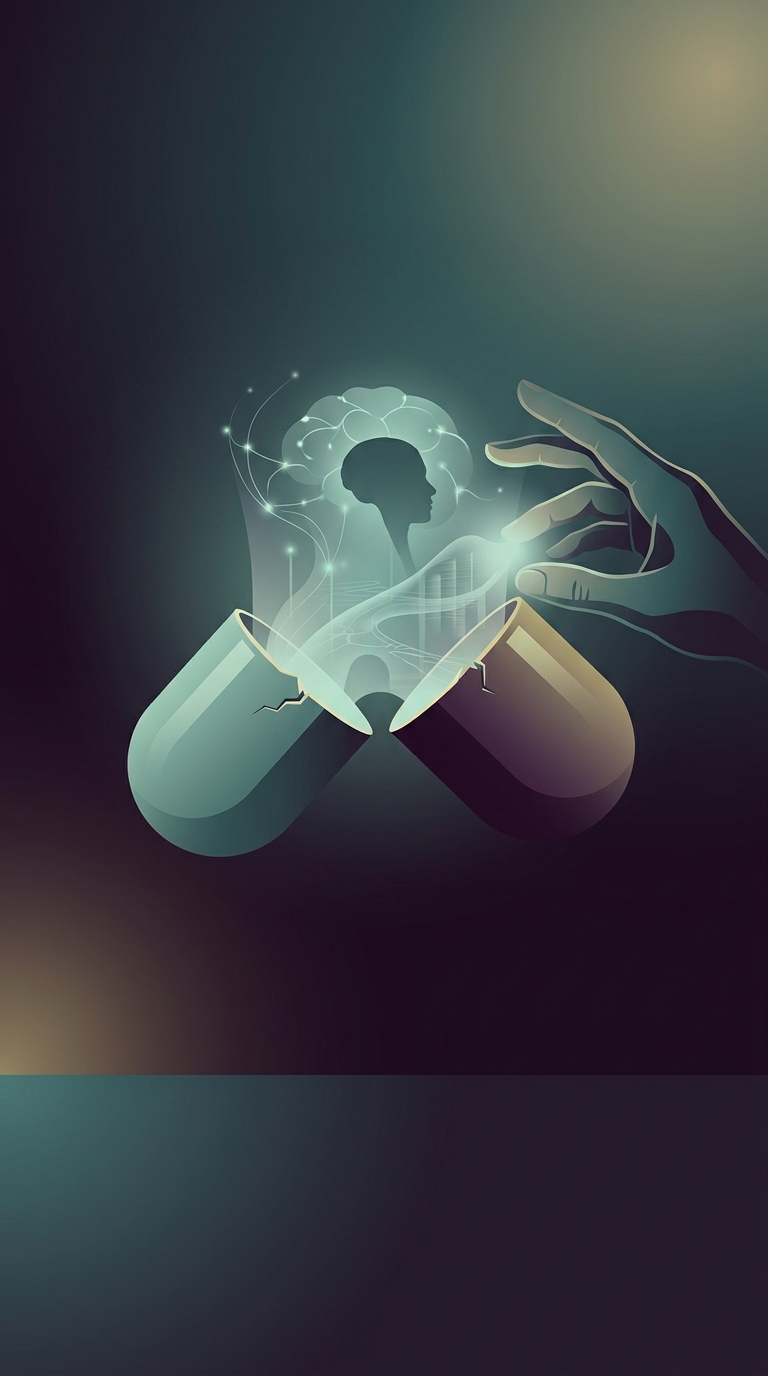
The psychology around a pill can change what happens next
A medicine’s active ingredient does its work in the body, but a patient’s expectations and routines can shape the experience of taking it. If someone expects relief, the brain can influence how strongly symptoms such as pain are perceived. This is called a placebo effect; it can affect symptoms, but it does not mean a pill’s ingredients are imaginary or that expectation cures the underlying disease.
A more practical influence is whether the medicine is taken as directed. A treatment that is missed or stopped early cannot deliver its intended benefit. Clear labels, easy-to-open packages, and calendar-style blister packs—where each dose has its own marked compartment—can make it easier to remember whether a dose was taken. These are behavioral aids, not secret ingredients.
Familiarity can help—but changes can cause confusion
Pills’ colors, shapes, and markings can help people distinguish one medicine from another. That matters especially for people taking several drugs. But appearance can also create expectations: patients may associate a certain-looking pill with a particular effect, or worry when a refill looks different even though its active medicine is the same. Pharmacists can explain such changes and check that the replacement is equivalent.
There is no basis in this fact alone for claiming that pharmaceutical companies secretly use psychological tricks to make drugs biologically stronger. The more grounded point is that expectations can affect symptoms, and good design can make consistent use easier. In everyday treatment, the small cue that helps someone take the right dose at the right time may matter more than the pill’s color.