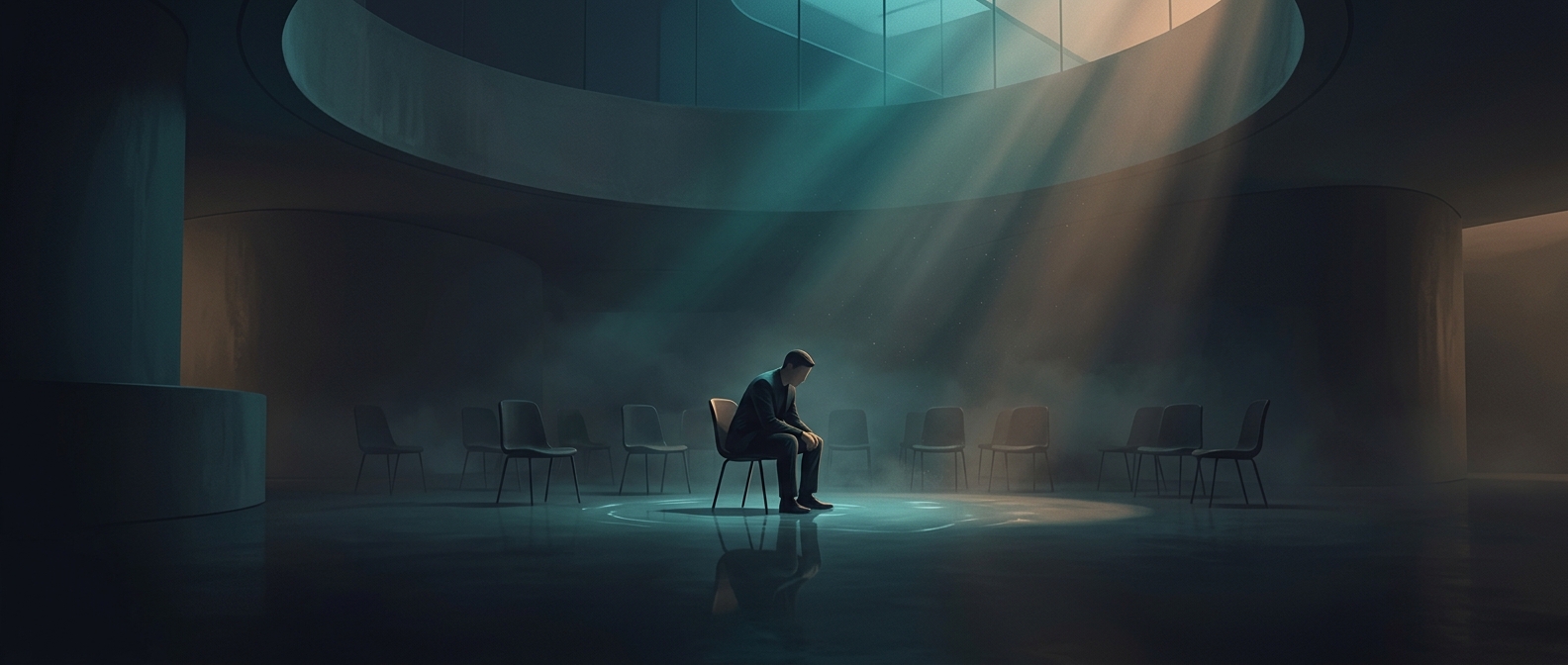
Why remembering is not replaying
A memory is not a complete recording stored in one place. The brain keeps changing patterns of connections among nerve cells, with different parts contributing details such as a scene’s layout, its sounds, and the emotions attached to it. A cue—a familiar place, smell, or question—can prompt the brain to assemble those pieces into a remembered event.
That assembly can be incomplete. The brain may fill gaps using what usually happens, what it knows about the people involved, or details learned afterward. The result can feel like a single, continuous scene even when some elements are guesses or have shifted.
How recall can reshape a memory
When a memory is retrieved, it can sometimes become temporarily changeable before being stored again. This process is called reconsolidation: the brain updates a memory as it re-stabilizes it. New information or a person’s present expectations may become mixed with the older memory, subtly changing what is recalled later.
This does not mean every act of remembering automatically distorts a memory. The effect depends on the memory and the circumstances, and many details can remain stable. But recall is not a guaranteed, untouched playback: remembering can also be a moment when information is revised.
Confidence is not a recording check
Because the brain produces a coherent account, a memory can feel vivid and certain even if parts have changed. Confidence reflects how convincing the recollection feels now; by itself, it cannot verify that every detail matches the original event. That is why two people can sincerely remember the same moment differently—and why a small detail can drift while the memory still feels familiar.