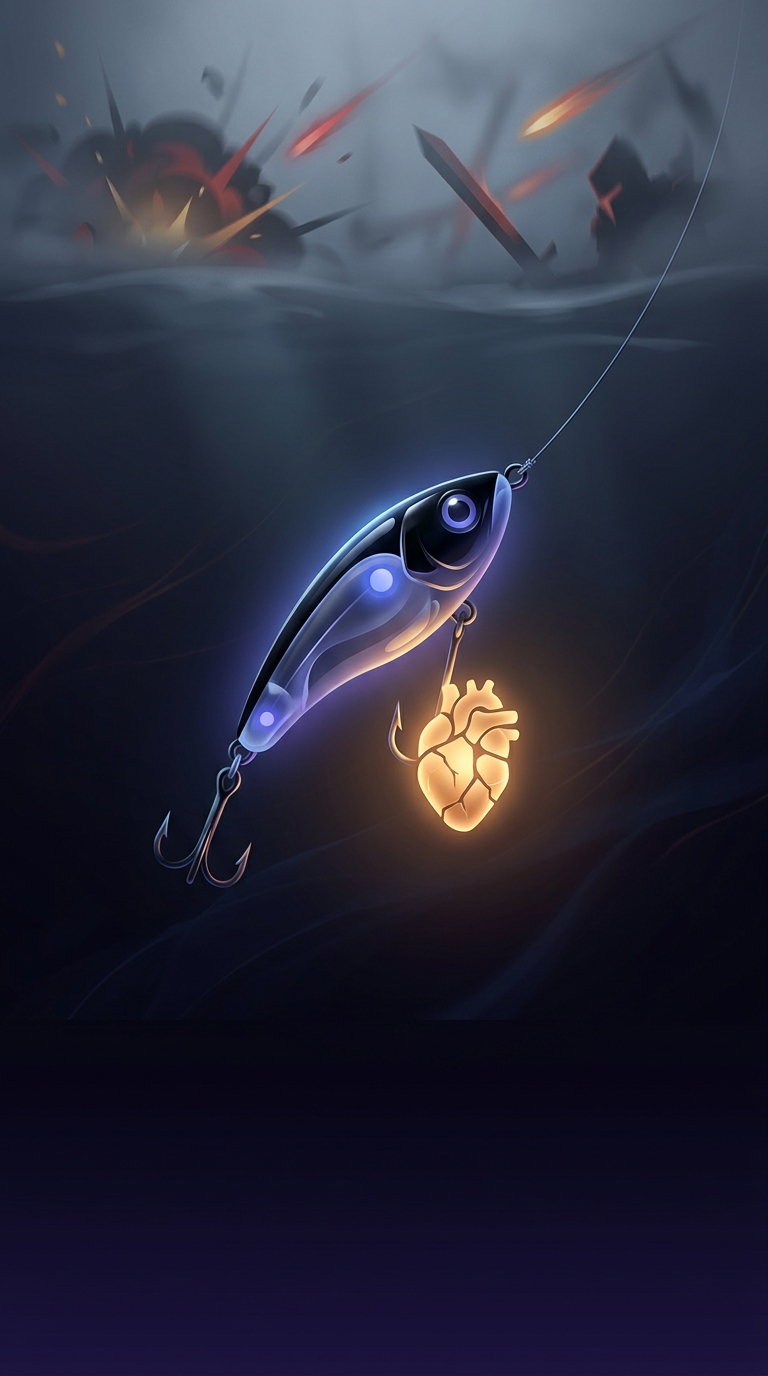
A Small Pocket of Control
In a combat-heavy role-playing game, the player is often reacting: dodge now, watch the enemy, manage resources, keep moving. Fishing reverses that relationship. The player chooses a spot, waits, and responds to a simple cue. With fewer threats and less time pressure, attention can settle on a predictable task.
That contrast is the point. A quiet activity gives the game room to breathe without requiring the player to stop playing altogether. It can make a tense stretch feel more intense by giving it a calm counterpoint—and make the return to danger feel sharper.
Rest Without Leaving the World
Fishing also turns downtime into an activity with a modest goal. Casting, waiting for a bite, and reeling in a catch create a short sequence of actions and a small payoff. The reward might be a collectible, a crafting ingredient, or simply progress in a side activity. The stakes stay low, so a failed attempt rarely carries the weight of losing a fight.
Because the player performs the task inside the game world, the pause can deepen the sense of being there. A riverbank becomes more than scenery; it is somewhere the character can spend a few unhurried minutes.
Why the Contrast Matters
These minigames work best when they offer a genuine change of pace, not another demanding test disguised as relaxation. Their quiet rhythm gives players a moment to recover, explore, or pursue a personal goal at their own speed. Then, when the action resumes, the calm has made the contrast tangible: the player has gone from watching a float on still water to watching every move in a fight.