Why a healing item can feel too valuable to use
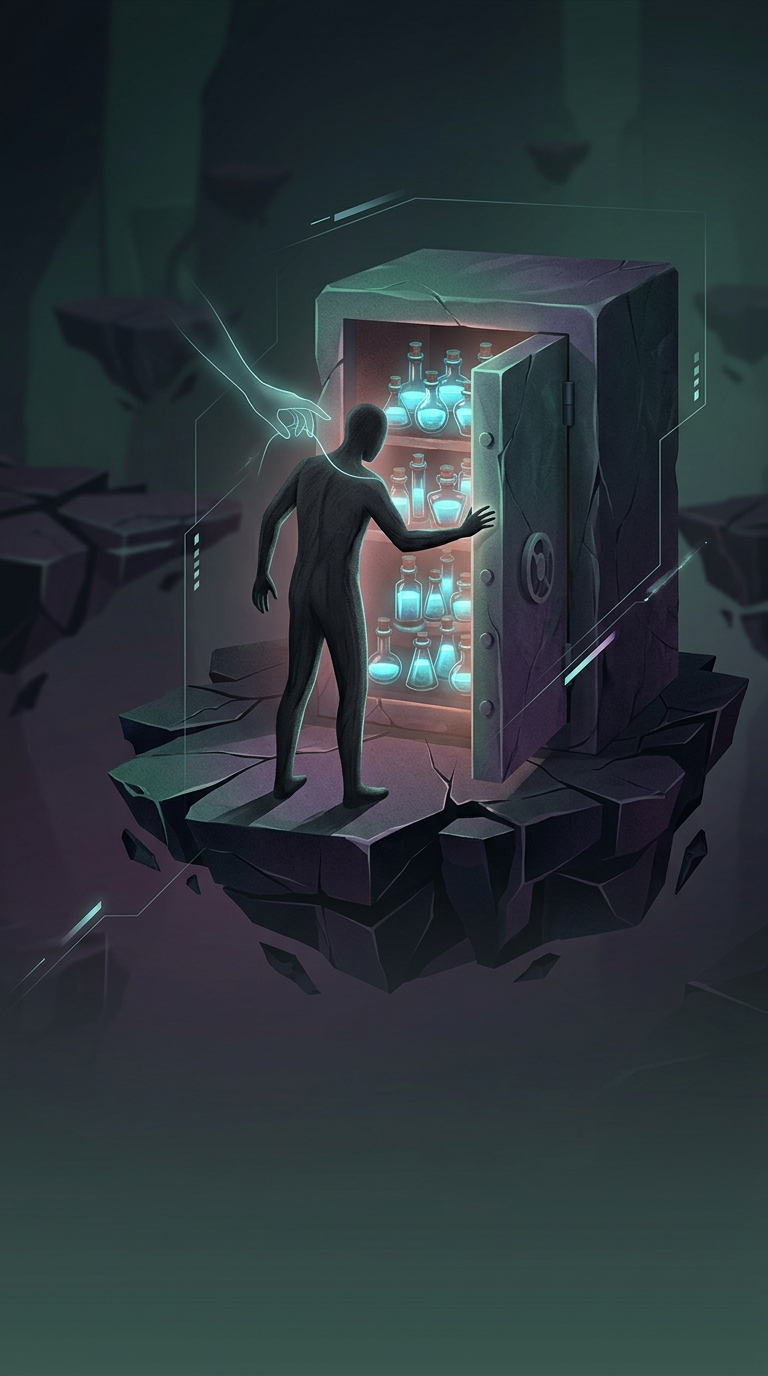
A powerful healing item is not just health in a bottle. It is a promise of safety for a future fight the player cannot yet see. Using it now trades that promise for an immediate benefit; saving it keeps options open. When the next challenge might be harder, holding on can feel prudent—even if the player has no evidence that a better moment is coming.
Uncertainty makes “later” seem safer
Games often reveal their demands one encounter at a time. A player may not know whether a boss is nearby, how much damage the next enemy will deal, or whether a rare item will be available again. That uncertainty makes it hard to judge what counts as an appropriate moment to spend a scarce resource.
The item’s label can intensify the hesitation. A potion described as powerful or rare seems like something to reserve for an emergency. But “emergency” keeps moving: a tough fight may be survivable without it, while an even tougher one might be just around the corner. Saving the item avoids the regret of using it too soon; spending it risks that regret immediately.
The cost of saving can disappear from view
Inventory menus make unused items visible, but they do not always make their opportunity cost obvious. If the game supplies more healing later, or if the player finishes with items left over, the stockpile may never have helped. Yet at each decision point, the imagined future danger feels more important than the definite benefit of restoring health now.
Design can counter this by making resources renewable, signaling how often they appear, or creating encounters where using an item clearly changes the outcome. Without those cues, players may treat every powerful consumable as insurance against an unknown future. The final inventory then tells a small story of its own: the player kept preparing for a moment that never arrived.