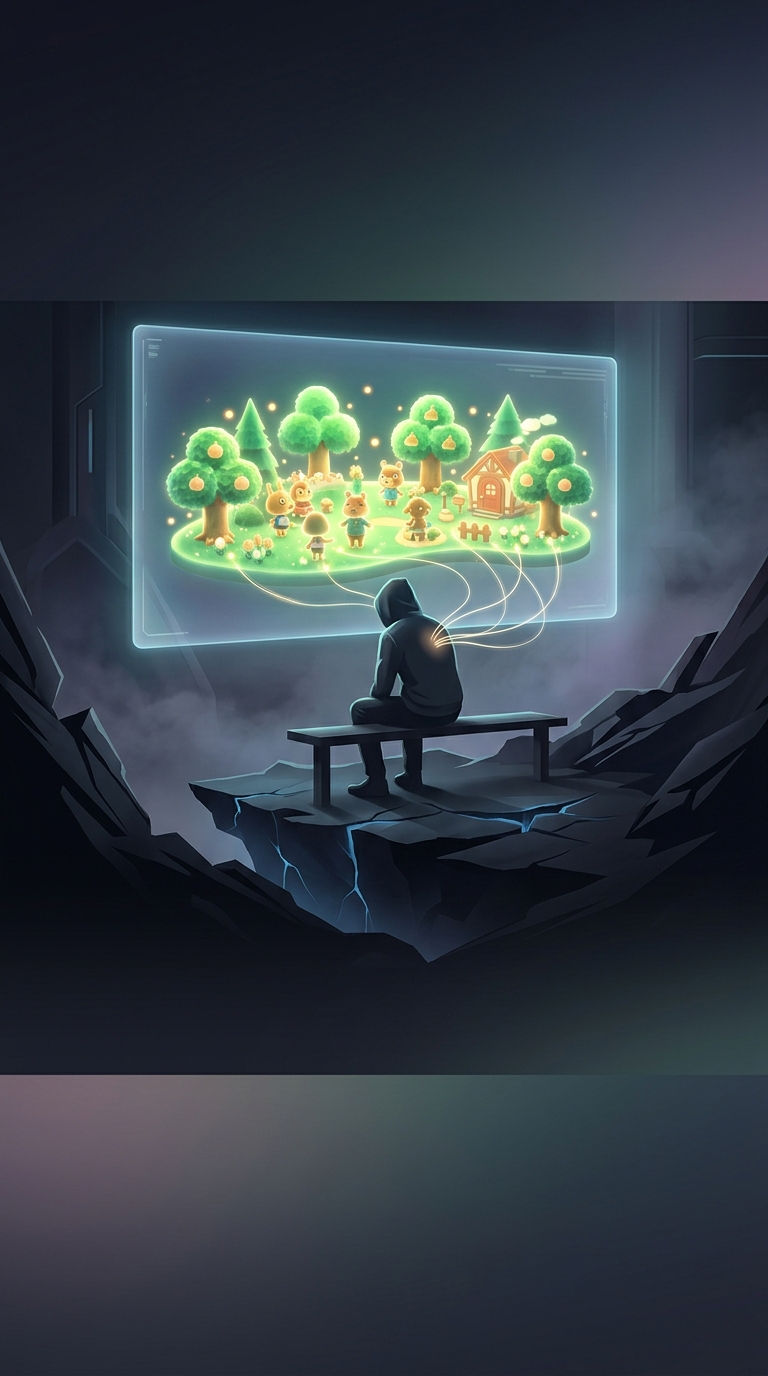
A move to Kyoto gave Animal Crossing its emotional starting point
Nintendo designer Katsuya Eguchi has traced the idea behind Animal Crossing to a lonely stretch in his own life: moving from the Tokyo area to Kyoto for work, far from his family and friends. The change made him think about what it feels like to arrive somewhere new without a ready-made circle of people around you.
Rather than build a story about overcoming that loneliness, Eguchi and his team made a place where connection could grow through ordinary encounters. The game’s village offered neighbors to meet, small favors to do, and familiar faces to return to.
Why the game runs on ordinary time
That premise shaped the game’s unusual pace. Its clock follows real-world time, so a visit in the morning can feel different from one at night; seasons and holidays change as the calendar does. There is no single urgent quest pushing the player toward an ending. Instead, the village keeps going between visits, giving players a reason to check in and notice what has changed.
The neighbors’ routines and casual conversations make the setting feel inhabited, while collecting, decorating, and helping with simple tasks give a newcomer easy ways to take part. These small interactions turn a place that could feel empty into somewhere that gradually becomes personal.
Eguchi’s move was not simply copied into the game as a plot. It became a design problem: how can a game make a new place feel less lonely? Animal Crossing answers with a village that asks little of the player at once, but is always ready to welcome them back.