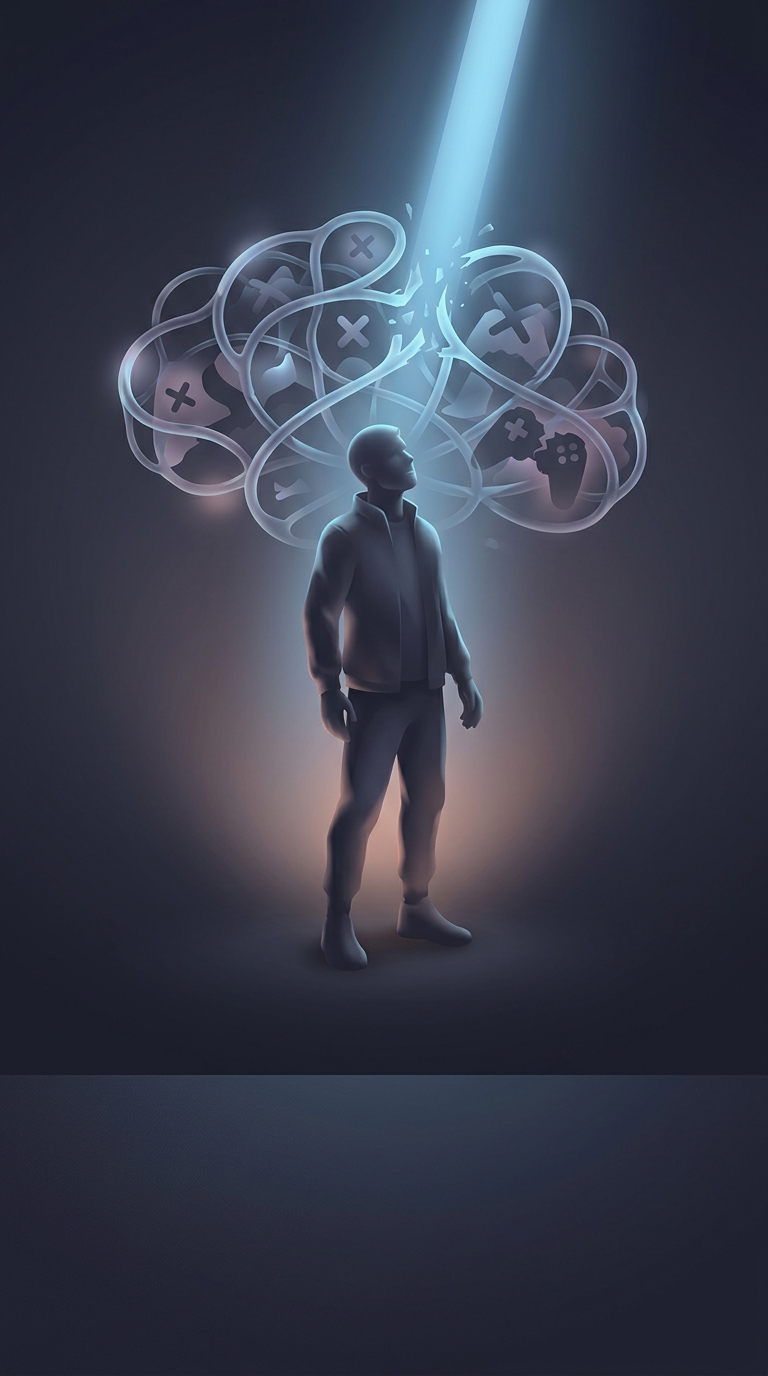
Why Brutal Games Get You Back in the Action Fast
A difficult game can make failure feel like part of the challenge—or like a penalty for having tried. After a character dies, a long wait before the next attempt adds time that does not help the player understand what went wrong. The longer that pause lasts, the easier it is for frustration to turn into disengagement: the player sets the controller down instead of trying again.
An almost instantaneous reload is designed to interrupt that slide toward quitting. It returns the player to the point of action before the emotional sting of failure has much time to grow. The intended effect is not to make death pleasant; it is to keep the next attempt close enough that the player still feels invested in making it.
Less Waiting, More Learning
In a challenging game, repeated attempts are also how players learn. They may be testing when to dodge, spotting an enemy’s attack pattern, or adjusting the route they take through a dangerous area. A fast restart keeps those experiments connected: the mistake is still fresh when the player tries a different response.
That connection matters especially when success depends on precise timing. A lengthy reload can make a player forget the rhythm of an encounter or lose the concentration needed to practice it. By removing much of the dead time, designers make failure costly in progress but comparatively cheap in attention.
The tradeoff is that speed does not erase frustration. A player who feels a challenge is unfair may still quit. But when the obstacle feels learnable, an immediate retry can turn “I’m done” into “one more try”—and put the player back at the exact moment where that next try begins.