The waterfall turns stopping into a chain reaction
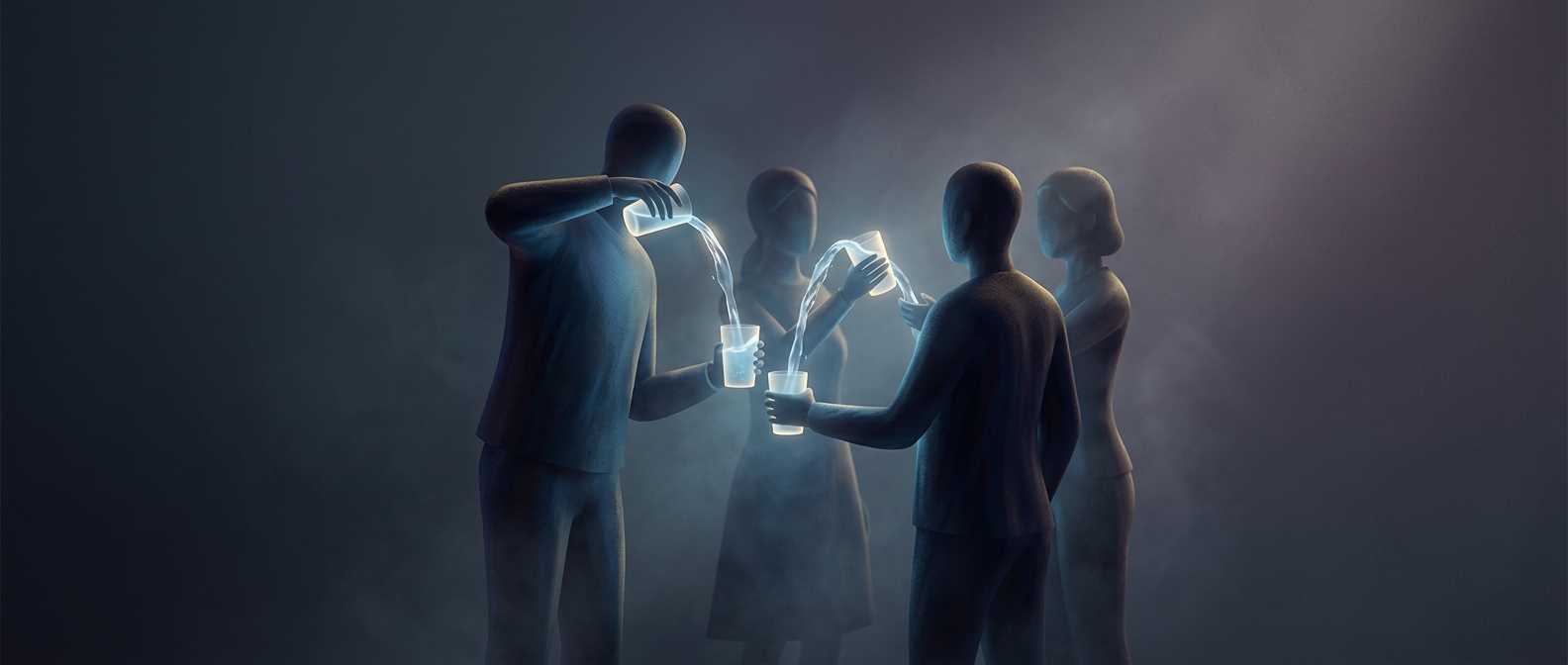
In the drinking-game rule often called a “waterfall,” the group begins drinking together, but no one can stop whenever they like. Each player must wait for the person beside them to stop first. That turns a row of individual choices into a linked sequence: one person’s pause releases the next, whose pause releases the next after them.
The rule creates a small coordination problem. Players are watching both the person they must follow and the rest of the group, trying to decide when to end their own turn without holding everyone up. The first person to stop sets the chain in motion; those farther along have less control over their timing because they must wait for the sequence to reach them.
Why the wait becomes the point
That built-in delay is what makes the game feel social rather than simply simultaneous. A player who wants to stop may still be waiting on a neighbor, while everyone else can see the chain inch forward. The group’s attention shifts from drinking to reading one another’s timing—and the last person in the sequence inherits the longest wait.
Rules can vary, including which direction the chain travels, so players need to agree on the order before starting. The same follow-the-leader structure works with nonalcoholic drinks, too; the memorable part is the shared pause, as each person waits for someone else to make the next move.